モラ、装飾布
noun 名詞パナマとコロンビアの先住民グナの女性が作る、色布を重ねて切り抜きや縫い付けで模様を表した布、またはその装飾技法。伝統衣装のブラウスの前後のパネルに用いられ、民芸品としても販売される。
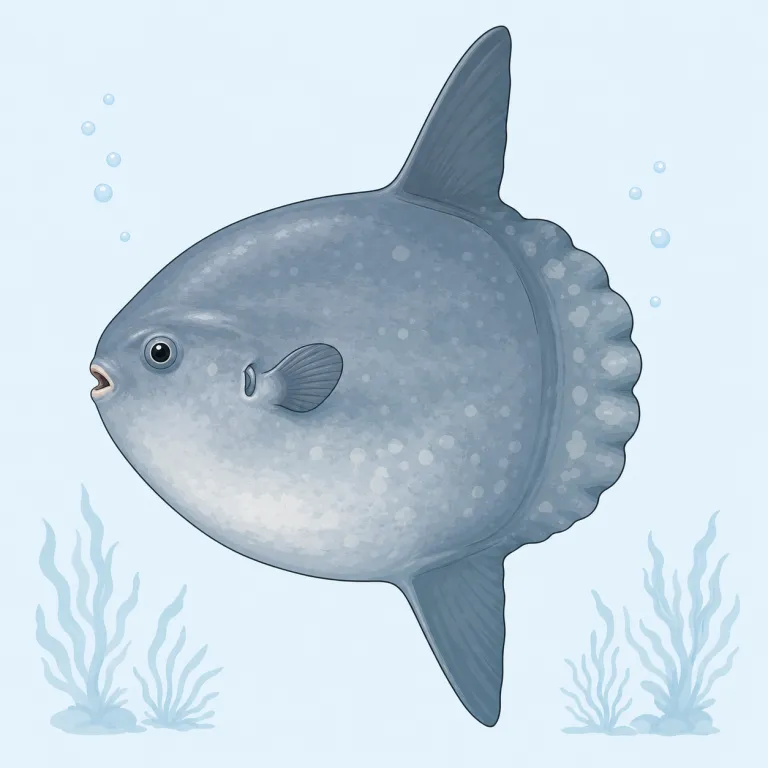
マンボウ科の大型海水魚。独特な平たい体形で知られる外洋性の魚。
A mola is a very large ocean fish, also called an ocean sunfish. This word is mostly used in biology or when talking specifically about this unusual, flat-bodied sea animal.
「mola」は日常英語というより、水族館・図鑑・海洋ドキュメンタリーで出る“マンボウのラベル名”として覚えると残りやすい。まず普通名の ocean sunfish と必ずセットにし、「巨大で丸く平たい外洋魚=mola」と映像で固定するのが近道。文脈は giant mola, oceanic mola, Mola mola が多いので、その並びごと覚えると再現しやすい。molar など歯の語とつづりが少し似るので混同注意。一般会話では sunfish、やや専門寄りでは mola と切り替わる。
Remember `mola` together with `ocean sunfish`, because that is the more common name many learners already know. It helps to picture the huge, round, flat fish you see in aquariums or ocean documentaries. Learn set phrases like `Mola mola` or `giant mola` to make the word stick.
The ocean sunfish, or mola, can weigh over two thousand kilograms.
マンボウは体重が2000キログラムを超えることがある。
Divers were thrilled to encounter a massive mola drifting near the surface.
ダイバーたちは水面近くを漂う巨大なマンボウに遭遇して興奮した。
The mola feeds primarily on jellyfish despite its enormous size.
マンボウはその巨大な体にもかかわらず、主にクラゲを食べる。
文脈によって、次の意味でも使われます。
パナマとコロンビアの先住民グナの女性が作る、色布を重ねて切り抜きや縫い付けで模様を表した布、またはその装飾技法。伝統衣装のブラウスの前後のパネルに用いられ、民芸品としても販売される。
mola は Latin mola「ひき臼・石うす」に由来し、丸く平たい魚体を臼に見立てた名。molar は「臼歯」、mill も遠い同根で、古い命名感覚では見た目から“巨大な臼のような魚”と呼ばれたと分かる。
"Mola" comes from Latin "mola," meaning a millstone or grinding stone. The name was probably given because the fish looked round and flat like a stone used in a mill. It shares the same root with "molar," originally a tooth for grinding, and is distantly related to "mill."
この英単語をクイズで覚えよう