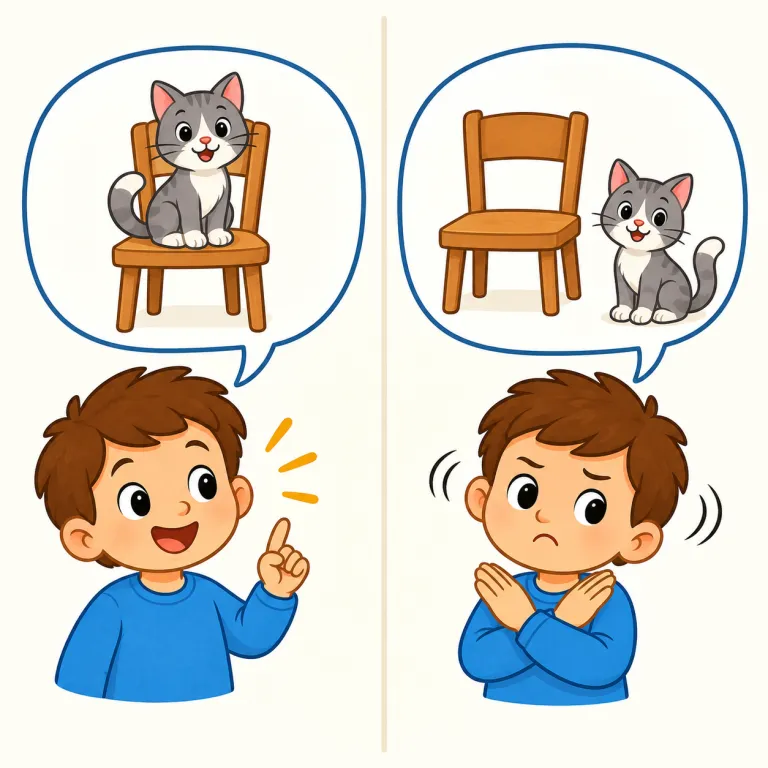
否定する
解説 Definition
negating は negate(否定する)の現在分詞・動名詞です。「否定すること、否定している」という意味で、論理や文法、議論の内容を打ち消す場合に使います。
Negating is the present participle or gerund of negate. It refers to denying, reversing, or making a statement, proposition, verb, or claim negative, especially in logic, grammar, and reasoned discussion.
覚え方のコツ Memory Tip
原形 negate の現在分詞・動名詞で、語末の無音の e を落として -ing を付けた形です。negating の -gating は /ɡeɪtɪŋ/ と発音します。論理なら negating a statement、文法なら negating the verb という組み合わせで、「命題や動詞の内容を否定している/否定すること」と覚えましょう。
Use the base verb negate as your anchor. To form negating, English drops the final silent e before adding -ing: negate becomes negating. The middle is pronounced like “gate,” so the form ends approximately /ɡeɪtɪŋ/. Associate it with two typical contexts: “negating a statement” in logic and “negating the verb” in grammar. In both cases, the operation changes an affirmative idea into a negative one. This is more precise than merely disagreeing, because negate often means formally denying, reversing, or canceling the force of something.
例文
Negating the statement changes its meaning.
その文を否定すると意味が変わります。
The rule explains how to form a sentence by negating the verb.
その規則は、動詞を否定して文を作る方法を説明しています。
He avoided negating her point without giving evidence.
彼は証拠なしに彼女の主張を否定することを避けました。
negating の類義語・関連語
対義語
紛らわしい語
negating の語源・成り立ち Etymology
ラテン語 negare(否定する)に由来し、neg-(~でない)+ agere(行う)が語源。「行為を無にする」が原義。英語の接頭辞 neg-/non- は同根。関連語: negative(否定的な)、negligent(怠慢な)。
Negating is formed from negate by dropping its final silent e and adding -ing. Negate entered English from Latin negatus, the past participle of negare, “to say no, deny, or refuse.” That verb is associated with the Latin negative element ne-, meaning “not.” English negative belongs to the same historical family. In modern use, negate developed precise applications in logic and grammar as well as the broader sense of nullifying an effect or claim.
同じレベルの語彙をもっと
外部辞書で調べる
この英単語をクイズで覚えよう