omnivorous
omnivorous は英検1級レベルの英単語で、「雑食性の」という意味があります。発音記号は /ɑːmˈnɪvərəs/ です。
雑食性の
解説 Definition
植物と動物の両方を食べる雑食性の性質。何でも食べること。
Omnivorous describes an animal that eats both plants and meat. It can also be used more generally for someone or something that takes in many different kinds of things, such as books, music, or information.
覚え方のコツ Memory Tip
まず herbivorous(草食の)・carnivorous(肉食の)と3点セットで覚えると定着しやすいです。-vorous は「食べるタイプ」を表すまとまりとして見て、omni- は omniscient などでも見かける「すべて・あらゆる」。つまり omnivorous は「植物だけ」「肉だけ」ではなく、両方いける=何でも食べる側。an omnivorous animal の形で覚えると使いやすく、omnivore が名詞、omnivorous が形容詞。似た形の voracious は「貪欲な」で、雑食性そのものではない点にも注意です。
Learn it as a set with `herbivorous` and `carnivorous`. The part `omni-` means all, so an `omnivorous` animal is in the all-food group, not just plants or just meat. Also connect `omnivore` and `omnivorous` as noun and adjective.
例文
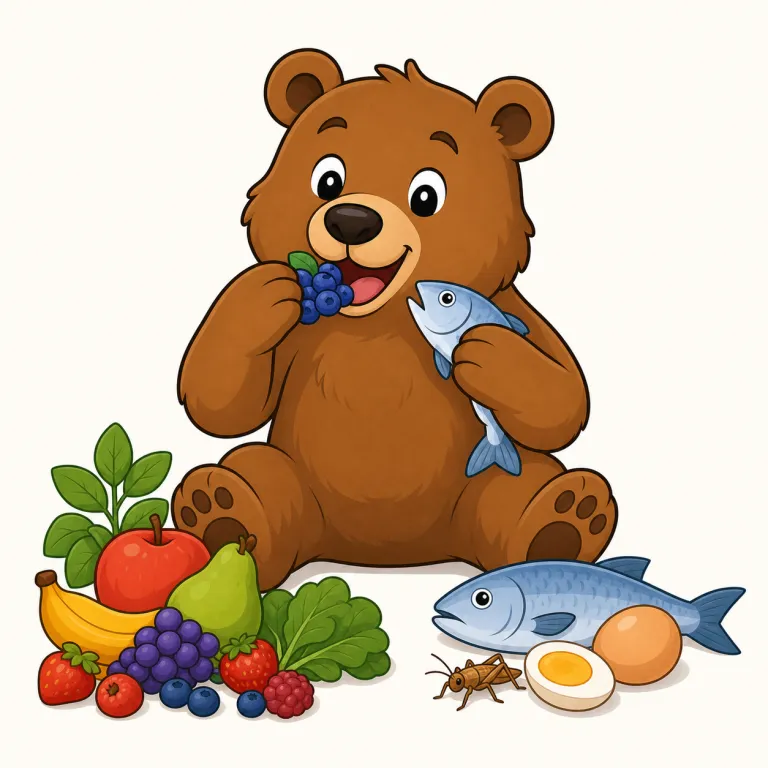
Bears are omnivorous animals that eat berries, fish, and insects depending on the season.
クマは雑食性の動物で、季節に応じてベリー、魚、昆虫を食べる。
Humans are naturally omnivorous, capable of digesting both plant and animal matter.
人間は本来雑食性で、植物性と動物性の両方の食物を消化できる。
Pigs are omnivorous and eat both plants and small animals.
ブタは雑食性で、植物も小動物も食べる。
omnivorous の類義語・関連語
omnivorous の語源・成り立ち Etymology
omnivorous はラテン語 omni-「すべて」+ vorare「むさぼり食う」+ -ous からできています。つまり直訳すると「何でも食べる性質のある」で、肉も植物も食べる「雑食性の」という意味がそのまま見えてきます。関連語に omnivore, voracious があります。
Omnivorous comes from Latin roots: omni- meaning "all" and vorare meaning "to devour," with the adjective ending -ous. Its literal sense was "inclined to eat everything." The same root appears in omnivore and voracious, and the idea stayed very close to its original form as it entered English.
同じレベルの英単語をもっと
英検1級の一覧へ →外部辞書で調べる
この単語を英単語クイズで覚えよう