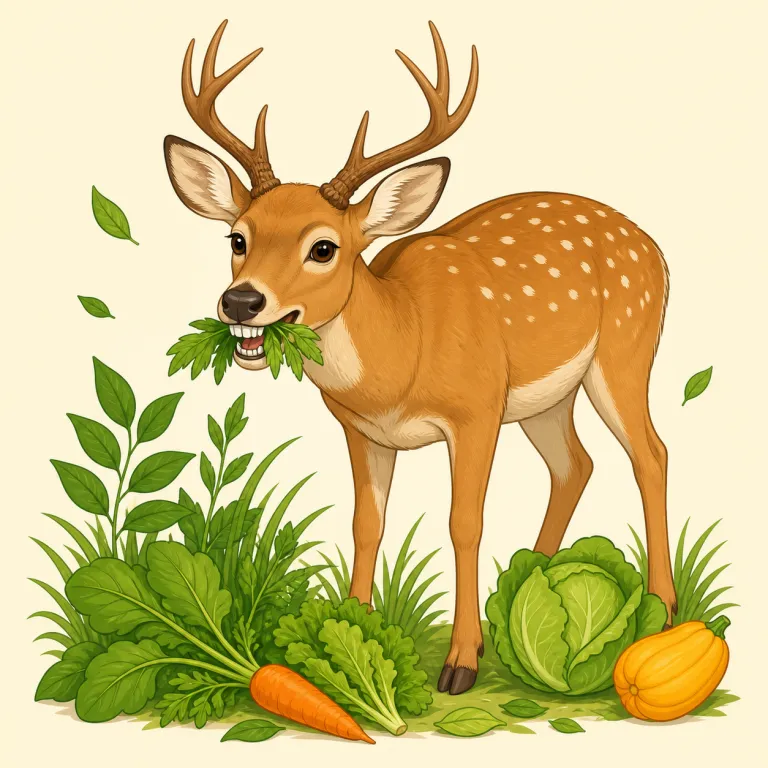
草食性の
解説 Definition
草や植物を食べる性質を持つこと。草食動物の食性を表す形容詞。
Herbivorous describes animals that eat plants rather than meat. It is mainly used in biology and when talking about animal diets and behavior.
覚え方のコツ Memory Tip
まず herb=ハーブ・植物を思い出すと、前半だけで「草・植物系の語」だと見当がつく。後半は carnivorous や omnivorous と同じ並びで覚えるのがコツで、「何を食べるタイプか」を述べる形容詞だと整理できる。セットで herbivore(草食動物)も置いておくと定着しやすい。使う場面は herbivorous animals, a herbivorous dinosaur のように、生物の食性を図鑑的・客観的に説明するとき。carnivorous と対比し、「肉ではなく植物を食べる側」と押さえると迷いにくい。
Start with `herb`, which reminds you of plants and herbs. Then connect `-ivorous` with `carnivorous` and `omnivorous`, a pattern for eating habits. If you also remember `herbivore`, the adjective `herbivorous` becomes easy to recognize. Think of common pairs like `herbivorous animals`.
例文
Cows and deer are herbivorous animals that feed on grasses and plants.
牛や鹿は草や植物を食べる草食性の動物である。
The herbivorous dinosaurs were often much larger than their carnivorous counterparts.
草食性の恐竜は肉食の恐竜よりもはるかに大きいことが多かった。
Herbivorous animals need to eat large quantities of vegetation.
草食性の動物は大量の植物を食べる必要がある。
herbivorous の類義語・関連語
herbivorous の語源・成り立ち Etymology
ラテン語 herba「草」+ vorare「むさぼり食う」から成り、-ous は「〜の性質をもつ」。carnivorous や omnivorous と並べると、何を食べるかを語根がそのまま示していて「草を食べる性質の」が腑に落ちる。
This word comes from Latin roots: herba meaning "grass" or "plant," and vorare meaning "to devour." It was built in modern English with the ending -ous, meaning "having the nature of." The original idea is simply "having the habit of eating plants," like related words such as carnivorous and omnivorous.
同じレベルの語彙をもっと
外部辞書で調べる
この英単語をクイズで覚えよう
この意味を学べる単語帳
herbivorous の収録語義を確認して、まとめて学べる単語帳を選べます。
-
収録語義:草食性の
作成者:金子竜平