対向できる
解説 Definition
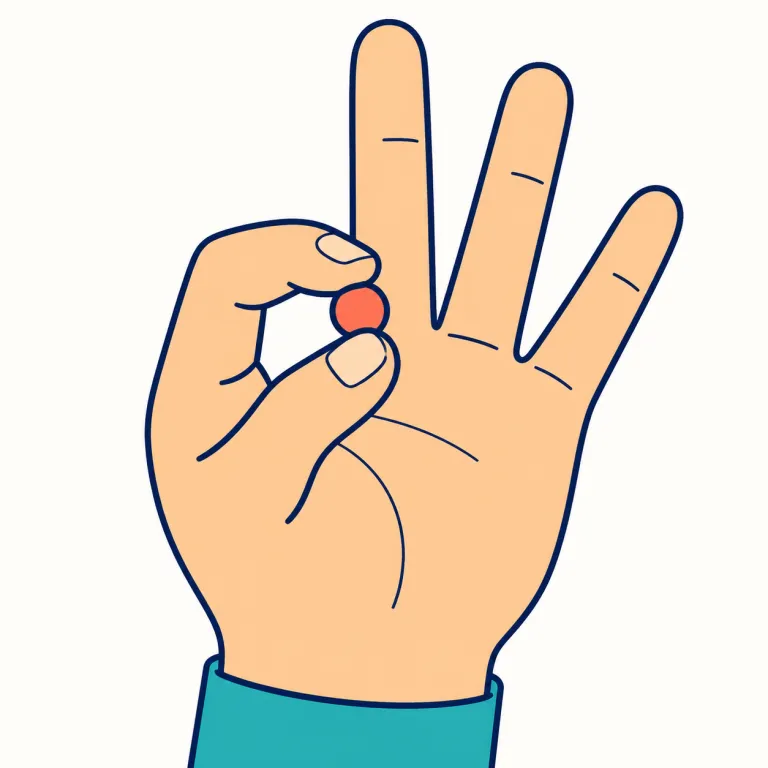
主に解剖学で、親指や足の指などが他の指と向かい合う位置まで動き、つまむ・握るといった動作ができる性質を表す語。特に親指について言うことが多く、霊長類の器用さや道具を扱う能力を説明する際によく使われる。
Opposable means able to move against another finger or part so it can hold or grasp something. This word is often used in biology when talking about thumbs, toes, or similar body parts.
覚え方のコツ Memory Tip
oppose「向かい合う・対立する」や opposite「反対側の」を知っていれば、opposable は「向かい合える状態」とつかめます。-able は「〜できる」なので、形としては『oppose + able』。特に opposable thumb という連語が頻出で、「親指が他の指と向き合ってつまめる」と場面で覚えると定着しやすいです。単なる opposite「反対の」と違い、実際に動かして向かい合わせにできる機能を表す語だと押さえると混同しません。
Start from oppose or opposite, which both give the idea of facing something. Then add -able, "able to," so opposable means "able to face another part." It is very common in opposable thumb, so picture a thumb meeting the other fingers.
例文
An opposable thumb allows humans to grasp small objects precisely.
対向できる親指があるため、人間は小さな物を正確につかめる。
Most monkeys have opposable thumbs or toes.
多くのサルは、対向できる親指や足の指を持っている。
Without opposable digits, tool use becomes much harder.
対向できる指がなければ、道具を使うことはずっと難しくなる。
opposable の類義語・関連語
opposable の語源・成り立ち Etymology
opposable は oppose に -able が付いた語で、oppose はラテン語 opponere「向かいに置く」(ob-「向かって」+ ponere「置く」) に由来します。「向かい合わせに置ける」ことから親指のように「対向できる」の意になり、関連語に position、compose があります。
Opposible comes from oppose + the suffix -able. Oppose goes back to Latin opponere, meaning "to place against," from ob- "against" and ponere "to put." The idea was first "able to be set against something," which later became the special sense of a thumb that can move against the fingers; related English words include position and compose.
同じレベルの語彙をもっと
外部辞書で調べる
この英単語をクイズで覚えよう