えいたんごクイズ
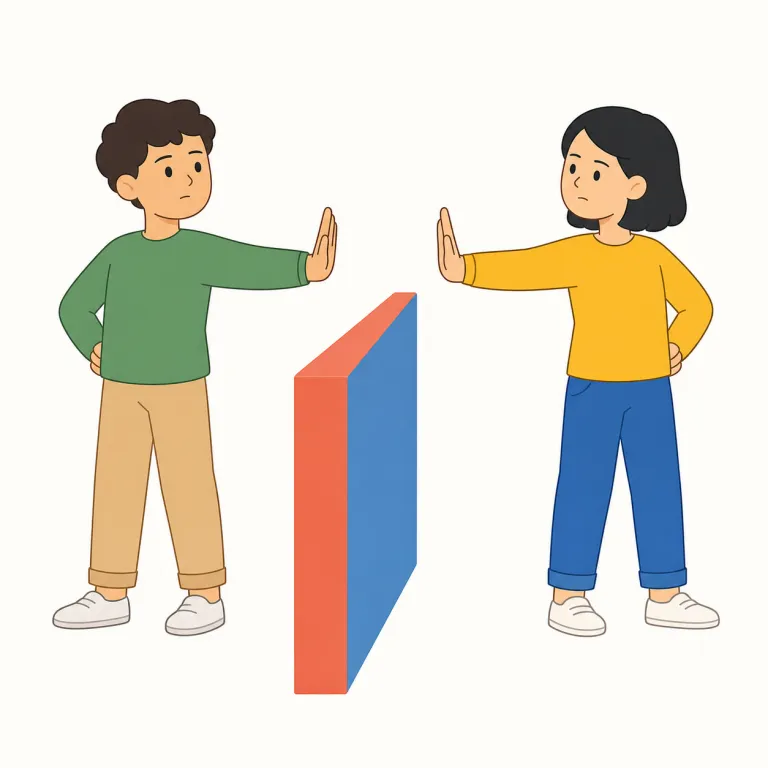
opposed(反対した・形容詞)の覚え方イラスト — このエントリでは opposed を「反対している」という現在の立場そのものではなく、oppose「反対する」の過去分詞的な形から「反対した」と捉える用法として覚えます

opposed

/əˈpoʊzd/

opposed は英検準1級レベルの英単語で、「反対した、対立した、反対している、対抗する」という意味があります。発音記号は /əˈpoʊzd/ です。

意味一覧 (4件)

adjective

反対はんたいした

解説 Definition

何かに反対である、または異なる立場にある状態。賛成せず、逆の意見や立場を取っている様子を表します。

If someone is opposed to something, they disagree with it and do not support it. It is often used about ideas, plans, changes, or actions. It is usually followed by "to," as in being opposed to a policy.

覚え方のコツ Memory Tip

このエントリでは opposed を「反対している」という現在の立場そのものではなく、oppose「反対する」の過去分詞的な形から「反対した」と捉える用法として覚えます。-ed 形なので、ある人や集団がすでに異議を示した、または反対の行為を取ったという完了・過去の響きが出ます。基本義の be opposed to ... と同じ語源ですが、ここでは状態説明よりも「反対した側・反対した事実」に焦点を置くと区別しやすいです。

Build it from the verb `oppose`. `Opposed` often appears as `be opposed to`, so remember that full pattern, not the word alone. It is easy to mix up with `opposite`, but `opposed` is usually about ideas or positions, while `opposite` is more about sides or contrast.

例文

The union was opposed to the new working conditions.

労働組合は新しい労働条件に反対していた。

Many politicians were opposed to the proposed law.

多くの政治家は提案された法律に反対していた。

The two teams were firmly opposed to each other before the match.

試合前、両チームは互いに強く対立していた。

adjective

対立たいりつした

(意味 2)

解説 Definition

相反する、または対立した状態を表す形容詞。相手方と異なる、反対の意見や立場を持つことを意味する。

例文

The opposed teams faced off in the championship match.

対立したチームはチャンピオンシップマッチで対面しました。

She held opposed views to her brother on the matter.

彼女はその問題について兄と対立した見方を持っていました。

The opposed factions finally reached an agreement.

対立した派閥はついに合意に達しました。

adjective

反対はんたいしている

(意味 3)

解説 Definition

意見・計画・方針などに賛成せず、支持しない立場にあることを表します。特に be opposed to ... の形で、「...に反対している」と政策、変更、行動などへの態度を述べる場面でよく使われます。

Opposed describes a person, group, or position that does not agree with or support an idea, plan, policy, or action. It is very often used in the pattern be opposed to ..., especially when talking about opinions about change or public decisions. The word focuses on disagreement in attitude or position, not simply being on the other side physically.

覚え方のコツ Memory Tip

動詞 oppose「反対する」から考えると、opposed は「反対する側に置かれた状態」と整理できます。実際には be opposed to ... が最重要パターンで、to の後ろには a plan, a policy, doing something のように反対の対象が来ます。opposite は「反対側の・正反対の」で位置や性質の対比に広く使い、opposed は意見や立場の不一致に寄る点を意識すると混同しにくいです。

Think of opposed as coming from oppose, so it suggests being placed on the side that resists something. The most important pattern is be opposed to ..., followed by the thing you do not support, such as a plan, a policy, or doing something. This helps you separate it from opposite, which is more about position or contrast, while opposed is mainly about disagreement in opinion or attitude.

例文

Many local residents are opposed to the new plan.

多くの地元住民はその新しい計画に反対している。

She is strongly opposed to cutting the education budget.

彼女は教育予算を削減することに強く反対している。

Although some members were opposed at first, the discussion remained calm.

最初は反対している委員もいたが、議論は落ち着いていた。

adjective

対抗たいこうする

(意味 4)

解説 Definition

何かに対して反対する、または対立している状態。反対の側に立つこと、〜に対する反対や抵抗を示す。

例文

The two countries were opposed in their political views.

その2つの国は政治的見解が対立していました。

She was opposed to the new policy from the beginning.

彼女は最初から新しいポリシーに反対していました。

The team remained opposed to any changes in the rules.

チームはあらゆるルール変更に反対し続けました。

opposed を含む表現

句動詞・イディオムなど 1 件。クリックで各表現の詳細へ。

opposed の語源・成り立ち Etymology

opposedはopposeの過去分詞形です。opposeは古フランス語経由で、ラテン語ob-「逆らって」+ponere「置く」から来ており、語源的には「向かい側に置く」。そこから「反対する」の意味になり、proposepositionも同じponere系です。

Opposed is the past participle of oppose. Oppose came through Old French from Latin opponere, built from ob- meaning "against" and ponere meaning "to place." The original idea was "to place against," which later became the sense of resisting or being in conflict. Related English words from the same Latin root include propose, position, and compose.

外部辞書で調べる

この単語をシェア

この単語を英単語クイズで覚えよう