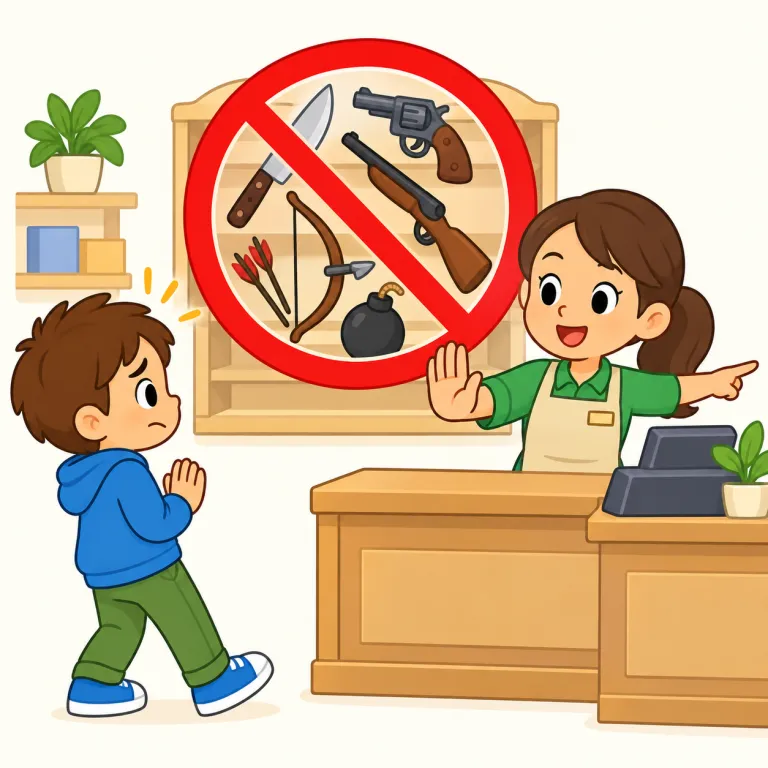
非合法化された
解説 Definition
outlawed は outlaw(法律で禁じる)の過去形・過去分詞で、形容詞としては非合法化された、禁止されたという意味です。法律や規則によって正式に認められなくなったものに使われます。
Outlawed describes something that has been formally prohibited by law or an authoritative rule. It is the past participle of outlaw and commonly appears after be or before a noun to indicate that an activity, object, or practice is illegal.
覚え方のコツ Memory Tip
outlawed は outlaw「法律で禁じる」の過去形・過去分詞で、語尾 -ed は /d/ と発音します。out+law、つまり「法の外へ置く」という構造から、法律や正式な規則によって禁止された状態を連想します。was outlawed、is now outlawed、outlawed weapons が典型で、単なる不人気や非推奨より強い法的禁止を表します。
Outlawed is the past tense and past participle of outlaw, and its -ed ending is pronounced /d/. Break it into out and law: something outlawed has been placed outside what the law permits. Picture a government formally banning a dangerous substance, weapon, or practice. Common patterns are was outlawed, is now outlawed, and outlawed weapons. The word is stronger and more official than discouraged or unpopular because it indicates a prohibition backed by law or an authoritative rule. As an adjective, it describes the prohibited thing itself.
例文
The substance was outlawed many years ago.
その物質は何年も前に非合法化されました。
Outlawed weapons cannot be sold in the city.
非合法化された武器はその市では販売できません。
The old practice is now outlawed under national law.
その古い慣行は現在、国の法律で禁じられています。
outlawed の類義語・関連語
outlawed の語源・成り立ち Etymology
「outlaw」は古英語「ūtlaga」で、古ノルド語「útlagi(法の外に置かれた者)」から借用。「út(外)」+「lǫg(法)」の合成語。関連語にlaw(法)、bylaw(条例)がある。法の保護の外に追放された者が原義で、そこから「非合法の」という形容詞用法が生まれた。
Outlawed is formed from the verb outlaw plus -ed. Outlaw ultimately comes through Old English from Old Norse útlagi, meaning a person placed outside the protection of the law, from út, “out,” and lǫg, “law.” The English noun first referred to such a person. It later became a verb meaning to declare a person or thing illegal, producing the past participle outlawed for something formally prohibited.
同じレベルの語彙をもっと
外部辞書で調べる
この英単語をクイズで覚えよう