
overtime
overtime はTOEIC 860・TOEFL 80・IELTS 6.5レベルの英単語で、「残業、延長戦」という意味があります。発音記号は /ˈoʊvɚˌtaɪm/ です。
意味一覧 (2件)
残業
解説 Definition
「残業」とは、通常の勤務時間を超えて働くこと、またはその超過勤務時間を指す名詞です。労働法により残業手当が支払われることが多く、「work overtime(残業する)」のように使われます。
Overtime is extra time worked beyond normal working hours. It is commonly used in jobs and workplaces, especially when talking about pay or long hours. In some contexts, it can also mean extra playing time in sports.
覚え方のコツ Memory Tip
over + time をそのまま『決まった時間を超える』と捉えると覚えやすい。work overtime が最頻出で、do overtime よりこの形で固めると定着しやすい。残業代は overtime pay、overtime hours なら超過勤務時間。time を含むので job や task ではなく『勤務時間の延長』が核。overwork は『働きすぎ・酷使』で、残業そのものを表す overtime とはずれる。late は単に遅いだけで別物。スポーツの overtime もあるので、文脈が仕事なら『残業』と結びつける。
Break overtime into over + time: time that goes over the normal limit. The most useful chunk is work overtime. Keep it separate from overwork, which means working too much in general, not the extra hours themselves.
例文
She had to work overtime to finish the quarterly report.
彼女は四半期報告を仕上げるために残業しなければならなかった。
Overtime is paid at a higher rate according to the company policy.
会社の方針では残業は通常より高い賃金で支払われる。
He refused to volunteer for overtime because he wanted to spend time with his family.
彼は家族との時間を優先したかったので、進んで残業することは断った。
延長戦
(意味 2)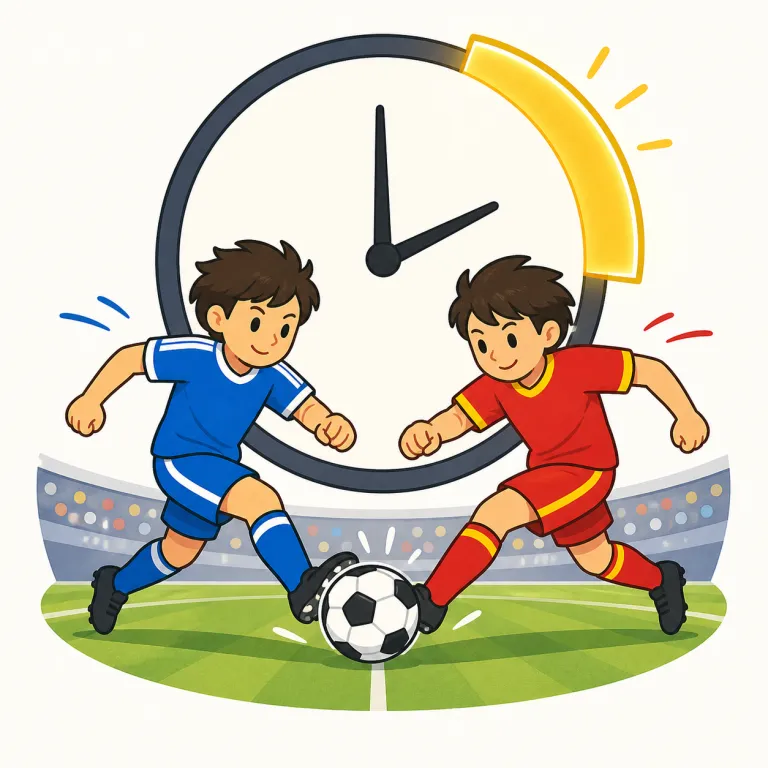
解説 Definition
スポーツで、規定時間や通常のプレー時間で勝敗が決まらなかったときに追加で行われる時間や、その時間帯の試合を指す名詞です。サッカー、バスケットボール、アイスホッケーなどでよく使われます。競技ごとに長さや勝敗の決め方は異なります。
Additional playing time used in a sport when the score is tied at the end of normal play. Its length and the way a winner is decided depend on the sport.
覚え方のコツ Memory Tip
overtime は over + time をそのまま「決まった試合時間を超えた時間」と捉えると、スポーツの「延長戦」が覚えやすい。go into overtime, win in overtime, score in overtime のように、同点で通常時間が終わったあとに追加でプレーする場面が典型。仕事の overtime「残業」もありますが、game, goal, tie, period など競技語が近くにあれば「延長戦」と読む。extra time と近いですが、特に北米スポーツでは overtime がよく使われます。
Break overtime into over and time: play continues beyond the normal time limit. Remember go into overtime and win in overtime, and picture a tied game that needs more play.
例文
The game went into overtime after a 2-2 tie.
2対2の引き分けのあと、試合は延長戦に入った。
She scored the winning goal in overtime.
彼女は延長戦で決勝ゴールを決めた。
We lost in overtime despite leading most of the match.
試合の大半をリードしていたのに、私たちは延長戦で負けた。
overtime の類義語・関連語
紛らわしい語
overtime の語源・成り立ち Etymology
overtime は over「越えて」+ time「決められた時間」の複合語です。time は古英語 tima、さらに「区切られた部分」を表す古い語根にさかのぼり、tide も同系なので、「定時という区切りを超えた時間」から残業の意味になりました。
Overtime is a compound of over and time. Time comes from Old English tima, from an older root meaning a divided or fixed period; tide is from the same family. So overtime originally meant time beyond the set limit, which led to its modern use for extra working hours or extra play time.
同じレベルの語彙をもっと
TOEIC 860の一覧へ →外部辞書で調べる
この英単語をクイズで覚えよう