tide
tide は英検2級レベルの英単語で、「潮、流れ、趨勢」という意味があります。発音記号は /ˈtaɪd/ です。
意味一覧 (2件)
潮
解説 Definition
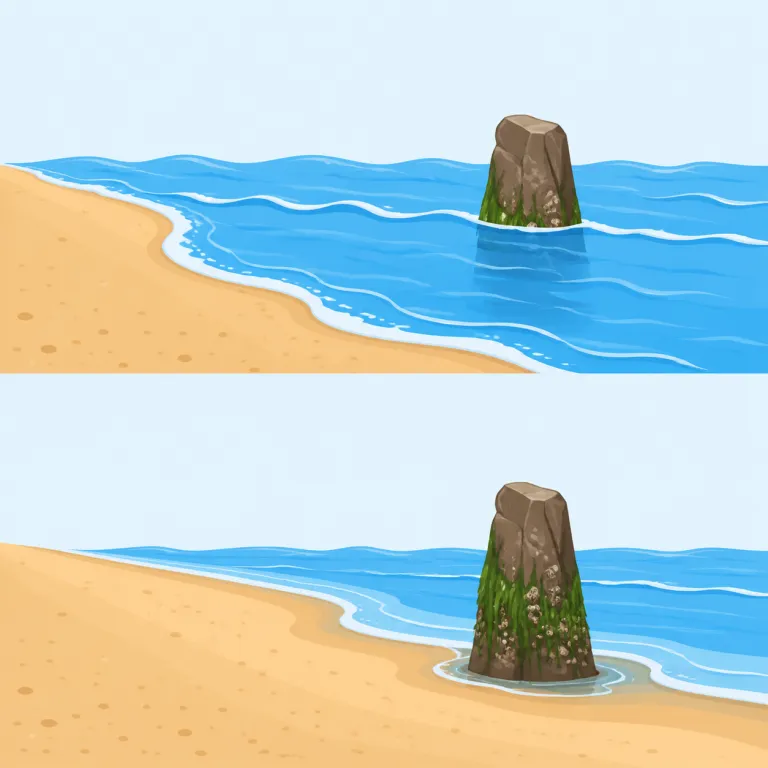
「潮」とは、月や太陽の引力によって海面が周期的に上下する現象を指す名詞です。満潮と干潮が規則正しく交互にやってきて、海岸の水位や流れが変動します。比喩的には世論の流れのように、勢いや傾向が変わっていく様子を表すこともあります。
The tide is the regular rise and fall of the sea level. It is caused mainly by the moon's and the sun's gravitational pull, and it affects beaches, boats, and coastal activities.
覚え方のコツ Memory Tip
tide はまず high tide(満潮), low tide(干潮)というセットで覚えると定着しやすいです。海の水位が上がったり下がったりする、一定のリズムある大きな流れを表す語だとつかむのがコツ。そこから turn the tide で「流れを変える」という比喩にも自然につながります。動詞 tie「結ぶ」の過去形 tied と綴りが似ていますが別語なので混同注意。water や sea と結びつけて覚えるより、「上がる・下がる流れ」という感覚で持つと使いやすいです。
Learn `tide` together with `high tide` and `low tide`. The key image is water going up and down in a regular pattern. This also helps with the expression `turn the tide`, where the idea is changing the direction of a big flow.
例文
We go to the beach early to watch the tide come in.
潮が満ちるのを見るために私たちは早く海へ行きます。
At low tide, we walked on wet sand.
潮が引いたとき、私たちはぬれた砂の上を歩きました。
The tide rose and covered our sandcastle.
潮が満ちて、私たちの砂の城を覆いました。
えいたんごクイズでの正答率
この語をはじめて出題された 31人 のうち 16人 が正解しました(52%)。
えいたんごクイズの回答から集計した独自データです。1人につき最初に出題されたときの1回だけを数えており、復習や2回目以降の回答、「わからない」と時間切れは含みません。 集計時点は 2026年9月19日 です。
流れ、趨勢
(意味 2)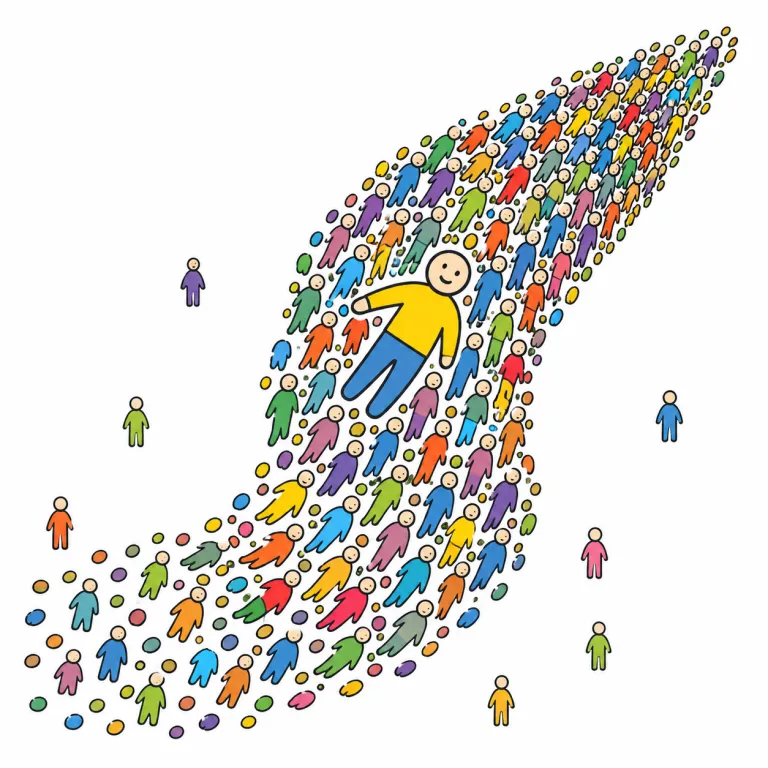
解説 Definition
tide は本来の「潮」から広がって、世論・社会状況・出来事の大きな流れや趨勢も表す名詞。変化の向きや勢いが感じられる文脈で使われ、turn the tide のように不利な流れを変える表現でもよく現れる。個人の気分より、社会全体や市場などを動かす大きな動向を述べるときに自然。
A broad movement or trend in public opinion, society, or events. It suggests a powerful direction of change that can influence many people or situations.
例文
The tide of public opinion is changing.
世論の流れが変わりつつある。
The government struggled to stop the tide of misinformation online.
政府はネット上の誤情報の広がる流れを止めるのに苦労した。
The company followed the changing tide of the market.
その会社は変化する市場の流れに従った。
tide の類義語・関連語
類義語
紛らわしい語
tide の語源・成り立ち Etymology
tide は古英語 tīd「時、季節」に由来し、もとは『潮』ではなく『決まった時』を表した語。満ち引きが規則正しい時間に起こることから海の潮流の意味へ移り、『時のめぐり』が『潮のめぐり』になった。関連語は tidings, eventide。
Tide comes from Old English tid, which originally meant "time" or "season," not the sea. Because the rising and falling of the sea happened at regular times, the word gradually shifted to mean the movement of the ocean. Older relatives such as tidings and eventide still show the earlier idea of time.
同じレベルの語彙をもっと
英検2級の一覧へ →外部辞書で調べる
この英単語をクイズで覚えよう