対麻痺
解説 Definition
対麻痺は、主に両下肢や下半身に起こる麻痺を指す医学語です。脊髄損傷で起こることが多いですが、原因はそれだけに限定されません。
Paraplegia is a medical condition in which a person cannot move, and sometimes cannot feel, the lower part of the body, especially both legs. It is often caused by damage to the spinal cord or by disease. The term is used in medicine, rehabilitation, and discussions of disability.
覚え方のコツ Memory Tip
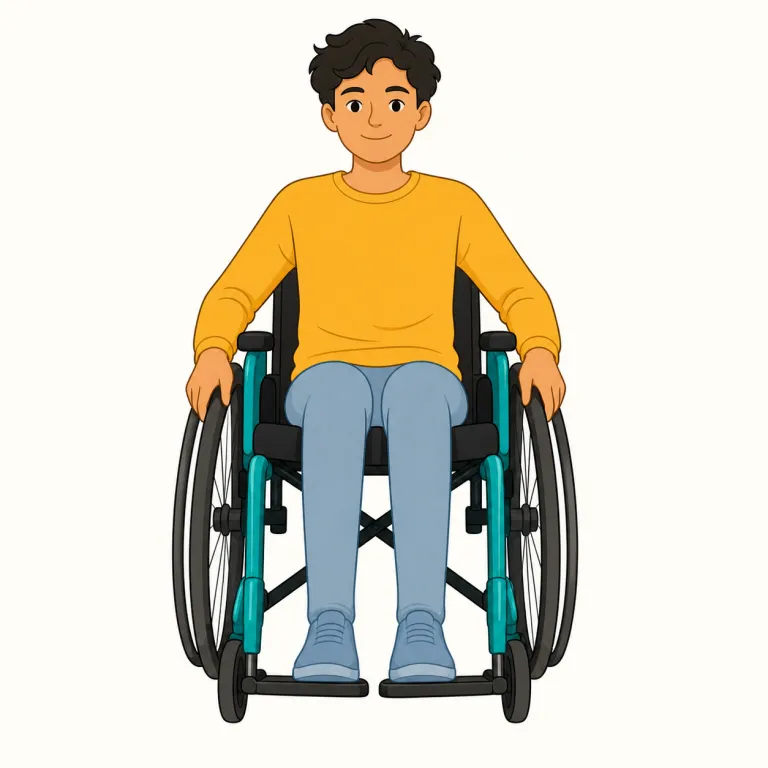
paraplegia は医学語で、-plegia を「麻痺」と捉え、主に両下肢・下半身が麻痺した状態に結びつけるとよい。脊髄の損傷などにより、脳から脚へ向かう運動・感覚の経路が遮られ、車椅子やリハビリが必要になる患者像を思い浮かべると定着しやすい。paraplegia after a spinal cord injury、patients with paraplegia の形が頻出する。体の片側の麻痺は hemiplegia、四肢の麻痺は quadriplegia なので、同じ -plegia 語群を症状の範囲で並べて覚えると混同しにくい。
Learn -plegia as a medical ending meaning paralysis. Then compare the family: hemiplegia is one side, quadriplegia is all four limbs, and paraplegia is the lower body, especially both legs. This contrast makes the word easier to place.
例文
Paraplegia often results from spinal cord injuries.
対麻痺は脊髄損傷から起こることが多い。
Patients with paraplegia use wheelchairs for mobility.
対麻痺患者は移動のために車椅子を使用しています。
Physical therapy helps paraplegia patients regain function.
理学療法は対麻痺患者が機能を回復するのに役立ちます。
paraplegia の類義語・関連語
paraplegia の語源・成り立ち Etymology
paraplegiaは新ラテン語経由でギリシャ語para-「わきに」+ plēssein「打つ」に由来し、「体の一部が打たれたように麻痺する」が原像。そこから下半身麻痺を指す医学語になり、症状の現れ方をそのまま名づけた語だと分かる。関連語はhemiplegia、quadriplegia。
Paraplegia came into English through New Latin from Greek elements: para- meaning "beside" and a verb related to plessein, "to strike." The older image was of a body part being "struck" and left paralyzed. Later it became a medical term for a specific kind of paralysis. Related words include hemiplegia and quadriplegia.
同じレベルの語彙をもっと
外部辞書で調べる
この英単語をクイズで覚えよう