えいたんごクイズ

peeve

/piːv/

意味一覧 (4件)

noun

さわること

解説 Definition

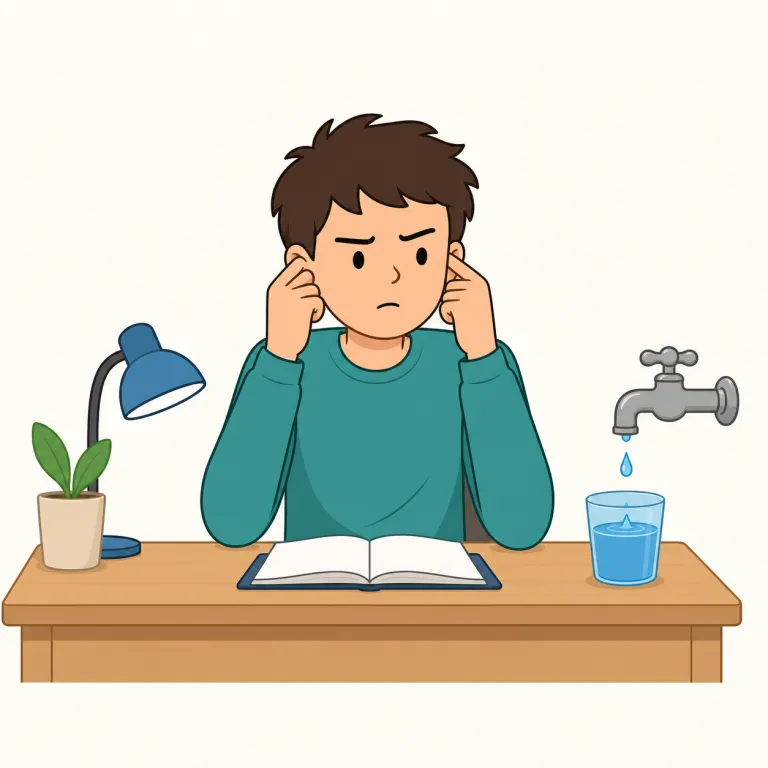
peeve は、本人にとって妙に気に障る不満の種を指す名詞です。対象は大問題というより、割り込み、遅刻、食べ方、文法ミスなど日常的な癖やマナーが中心です。特に pet peeve で「個人的なこだわりの不快点」を表します。

A peeve is something that annoys or bothers someone. It is usually used for a small but repeated source of irritation in daily life. The word often appears in the phrase pet peeve.

覚え方のコツ Memory Tip

名詞 peeve は「自分の中の小さな地雷リスト」に入る項目として覚えると自然です。my biggest peeve と言えば、一般論ではなく、その人が繰り返し見聞きすると毎回ひっかかる対象を名指ししています。annoyance が不快感そのものにも使えるのに対し、peeve はその原因となる行為や習慣を指しやすい語です。動詞 peeve の「いらだたせる」感覚と表裏になっています。

The best memory hook is the fixed phrase `pet peeve`. Learn it as one chunk for a small thing that annoys you again and again. It is more personal than `annoyance`, and usually about repeated everyday habits.

例文

His constant interruptions were a major peeve of hers.

彼がしょっちゅう話を遮ることは、彼女にとって大きな気に障る点でした。

One of my biggest peeves is people talking during movies.

私が特に気に障ることの一つは、映画の最中に人が話すことです。

Bad grammar is a particular peeve among English teachers.

文法の乱れは、英語教師のあいだで特に気に障ることの一つです。

verb

いらだたせる

(意味 2)

解説 Definition

peeve は、相手の神経に小さく触れて「むっとさせる」「いらつかせる」動詞です。騒音、失礼な一言、非効率な手順など、深刻な怒りではないが個人的に引っかかる原因を主語に置きます。be peeved で不機嫌な状態も表します。

Peeve means to annoy someone in a small but noticeable way. It is used for things like noise, rude comments, or inefficient habits that do not cause serious anger but still get on a person's nerves. The cause of the irritation is often the subject. In the form be peeved, it describes someone who feels mildly annoyed or in a bad mood.

覚え方のコツ Memory Tip

peeve は「小さなことが人をいらだたせる」という動詞です。語源ははっきりしませんが、名詞 pet peeve「個人的に我慢できない癖・不満」で覚えると定着します。annoyirritate より口語的で、深刻な怒りではなく、繰り返し目につく欠点が神経に触る感じです。peeve someone, be peeved at や about で使います。

Think of peeve as a short, sharp feeling of irritation. It sounds a little like a small complaint you keep repeating: "peeve, peeve." Use it for little things that get on your nerves, not for deep anger.

例文

The constant tapping on the desk really peeved me during the meeting.

会議中、机をたたき続ける音に本当にいらだった。

It peeves her when people leave dirty dishes in the sink.

流しに汚れた皿を置きっぱなしにされると、彼女はいらだつ。

He was clearly peeved by the careless remark, even though he said nothing.

彼はその不注意なひと言に明らかにむっとしていたが、何も言わなかった。

noun

不快感ふかいかん

(意味 3)

解説 Definition

いらいらさせるもの。気に入らないこと。

例文

Slow internet is one of my pet peeves.

遅いインターネットは私が最も気に入らないもの(の一つ)です。

What's your biggest peeve about the job?

その仕事で最も気に入らないことは何ですか?

His pet peeve was people being late.

人々が遅刻することが、彼を最もいらいらさせることだった。

noun

いらだたしさ

(意味 4)

解説 Definition

わずらわしさ

例文

The constant noise was a source of peeve for residents.

その継続的な騒音は住民のいらだたしさの源だった。

The bureaucratic process was a major peeve.

その官僚的なプロセスは大きなわずらわしさだった。

This minor peeve shouldn't spoil the day.

このちょっとしたいらだたしさは日を台無しにするべきではない。

peeve の語源・成り立ち Etymology

peeve は20世紀英語の語で、形容詞 peevish からの逆成です。peevish はおそらくラテン語 perversus「ねじれた」に発想が寄り、peevish や peeved に共通する『気分が曲がる』感覚から、いら立たせるもの・不満の種という意味が見えます。

Peeve is a modern English word made by back-formation from peevish. Peevish is older and meant "irritable" or "bad-tempered," and its deeper origin is uncertain, though it may be linked in sense to something twisted or perverse. From that adjective, peeve developed as a noun for something that annoys a person; compare peevish and peeved.

外部辞書で調べる

この単語をシェア

この単語を英単語クイズで覚えよう