pleasance
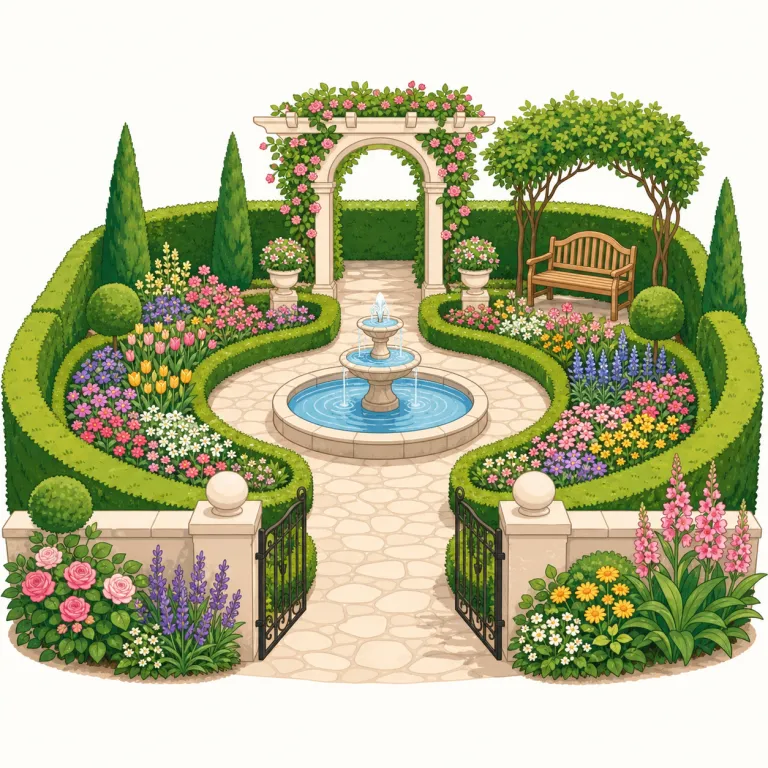
pleasance はTOEIC 990・TOEFL 100・IELTS 7.5レベルの英単語で、「遊楽庭園」という意味があります。発音記号は /ˈplɛzəns/ です。
遊楽庭園
解説 Definition
主に文語・歴史的な表現で、人が楽しんだりくつろいだりするための快適な庭園や場所を指す。文脈によっては「喜び」「楽しみ」そのものの意味でも使われるが、現代では庭園や憩いの場を表す用法として見ることが多い。
A pleasance is a pleasant garden or outdoor place made for rest, beauty, and enjoyment. It is usually connected with large houses, parks, or old estates. This is a rare and somewhat old-fashioned word, mostly seen in literary or historical writing.
覚え方のコツ Memory Tip
pleasant や pleasure を知っていれば覚えやすい語。核は「気持ちよく楽しめる」で、-ance が付いて名詞化した形だと見るとよい。まず「快い感じ」→「快い時間を過ごす場所」→「くつろぎや散策のための庭園」と段階で結ぶと定着する。現代英語では日常語というより文語・歴史語で、ただの garden ではなく、館や邸宅に付属する憩いの場、景観を味わう場所という響きがある。pleasure そのものの意味で使われることもあるので、文脈で「楽しみ」か「遊楽庭園」かを見分ける。
Link it to `pleasant` and `pleasure`. The ending `-ance` turns the idea into a noun, so you can think: pleasure -> a pleasant place -> a garden for enjoyment. It sounds literary or historical, not like an ordinary `garden`.
例文
The garden was a pleasance where visitors could relax.
その庭園は、訪れた人がくつろげる憩いの場だった。
Medieval lords built pleasances to enjoy nature.
中世の領主たちは自然を楽しむために遊楽庭園を造った。
She discovered a hidden pleasance in the city's oldest neighborhood.
彼女はその街で最も古い地区に、ひっそりとした遊楽庭園を見つけた。
pleasance の類義語・関連語
pleasance の語源・成り立ち Etymology
古フランス語 plaisance(楽しみ)から。ラテン語 placēre(喜ばせる)が語根で、pleasant(快い)と同根。中世ヨーロッパで領主の館に付属する「楽しみの庭」を指し、庭園・遊園の意味が定着した。関連語: pleasure, pleasant。
Pleasance came into English from Old French plaisance, meaning "pleasure" or "delight." Its deeper root is Latin placere, "to please," which also gave English pleasure and pleasant. In medieval use it often meant a pleasure garden attached to a large house, and that special sense became closely linked with gardens and places of enjoyment.
同じレベルの語彙をもっと
TOEIC 990の一覧へ →外部辞書で調べる
この英単語をクイズで覚えよう