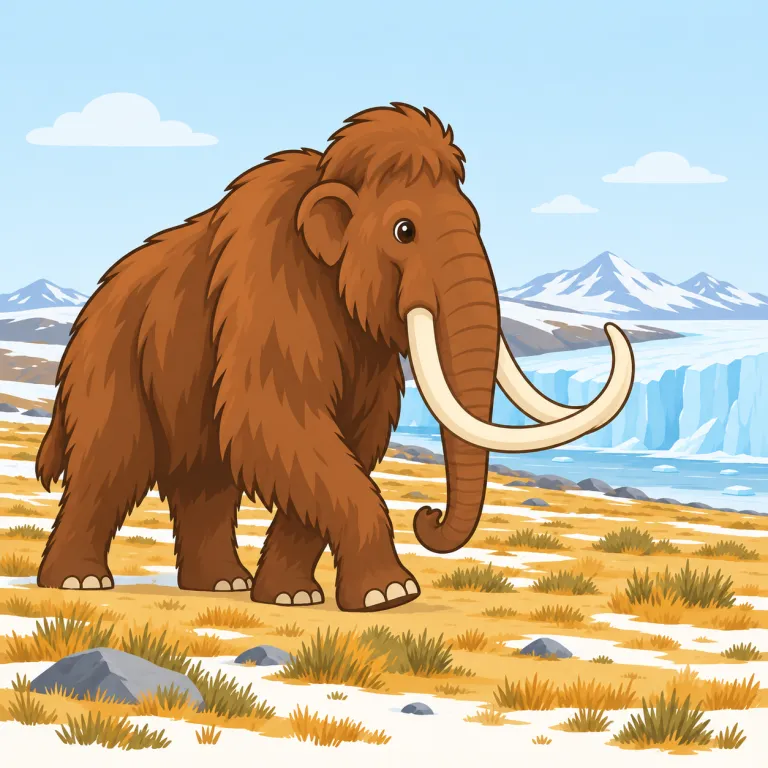
更新世
解説 Definition
pleistocene は地質時代の区分である Pleistocene(更新世)を指します。約258万年前から約1万1700年前までの時代で、氷期や古い人類の研究に関する文脈で使われます。
The geological epoch extending from about 2.58 million to 11,700 years ago, immediately before the Holocene. It was marked by repeated glacial cycles and is associated with many extinct large mammals and important stages of human evolution.
覚え方のコツ Memory Tip
地質時代名なので通常 Pleistocene と大文字で書き、the Pleistocene、late Pleistocene の形で使う。ギリシャ語 pleistos「最も多い」と -cene「新しい」に分け、氷期や大型哺乳類、古人類を扱う約258万年前〜1万1700年前の時代と結び付けて覚える。
Recognize Pleistocene as a formal geological time name, commonly written with a capital P and used in phrases such as the Pleistocene, late Pleistocene, and Pleistocene climate. Its parts come from Greek ideas meaning “most” and “new,” with -cene appearing in several epoch names. Anchor it between the Pliocene and the Holocene, from about 2.58 million to 11,700 years ago. Images of repeated ice ages, mammoths, other large mammals, and early humans provide a practical memory setting for the term.
例文
Many large mammals lived during the pleistocene.
更新世には多くの大型哺乳類が生きていました。
The cave contains tools from the late pleistocene.
その洞窟には後期更新世の道具が残されています。
Scientists study pleistocene climate records to understand past ice ages.
科学者たちは過去の氷期を理解するために更新世の気候記録を研究しています。
pleistocene の類義語・関連語
pleistocene の語源・成り立ち Etymology
Pleistocene は地質学の学術語で、ギリシャ語 pleistos「最も多い」+ kainos「新しい」から作られました。-cene もこの kainos 系で、「より新しい生物相が最も多く現れる時代」という発想が更新世の名に残り、Pliocene や Cenozoic も関連語です。
Pleistocene was coined as a geological term from Greek pleistos, meaning “most,” and kainos, meaning “new” or “recent.” The ending -cene, also found in names such as Pliocene and Holocene, derives from kainos. The name reflected the historical practice of classifying these epochs partly by the proportion of fossil mollusk species that were still living in the modern world.
同じレベルの語彙をもっと
外部辞書で調べる
この英単語をクイズで覚えよう