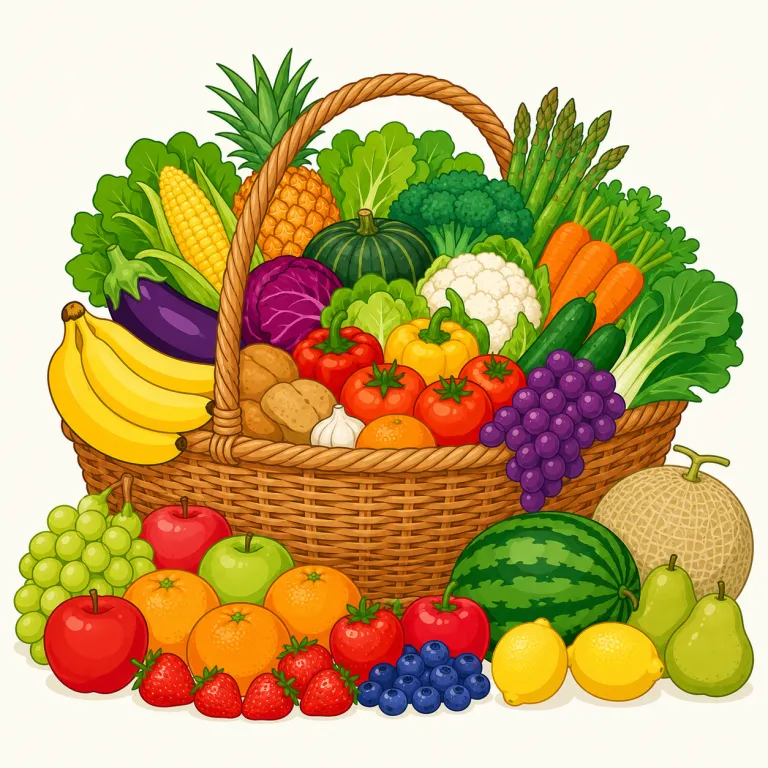
plenty
plenty は英検準2級・TOEIC 600レベルの英単語で、「たくさん」という意味があります。発音記号は /ˈplɛnti/ です。
たくさん
解説 Definition
十分またはたくさんの量を表します。肯定的な文脈で豊富さを表現する際に使われます。
Plenty means a large amount of something, or more than enough for a need or purpose. It is often used in everyday speech when talking about time, food, space, money, or opportunities. The word gives the feeling that there is no shortage.
覚え方のコツ Memory Tip
plenty は『満ちていて余裕がある量』をひとかたまりで思い出すと定着しやすい。many / much が単なる多さ、enough が必要量クリアなら、plenty は『足りるどころかまだある』感覚。会話では have plenty of time, plenty of money, plenty of room, There are plenty of options. のように plenty of + 名詞 で頻出する。不足を心配する場面より、安心して『十分ある』『豊富にある』と述べる語だと押さえると使い分けしやすい。
Think of `plenty` as more than enough, with some left over. It is very common in the pattern `plenty of + noun`: `plenty of time`, `plenty of space`, `plenty of choices`. That pattern is the best memory hook.
例文
We have plenty of food.
食べ物がたくさんあります。
There is plenty of water.
水がたくさんあります。
They have plenty of apples.
彼らにはりんごがたくさんあります。
えいたんごクイズでの正答率
この語をはじめて出題された 58人 のうち 38人 が正解しました(66%)。
えいたんごクイズの回答から集計した独自データです。1人につき最初に出題されたときの1回だけを数えており、復習や2回目以降の回答、「わからない」と時間切れは含みません。 集計時点は 2026年9月19日 です。
plenty の類義語・関連語
plenty の語源・成り立ち Etymology
古フランス語 plenté からで、ラテン語 plēnitās(満ちていること)に遡る。語根 plēnus は「満ちた」の意味。豊かさ=器が満ちている状態という発想。関連語: plentiful(豊富な)、replenish(補充する)。
Plenty came from Old French plenté, which goes back to Latin plenitas, meaning fullness, from plenus, "full." The word originally expressed the idea of something being filled up, and from that it developed the sense of abundance. Related English words include plentiful and replenish.
同じレベルの語彙をもっと
英検準2級の一覧へ →外部辞書で調べる
この英単語をクイズで覚えよう