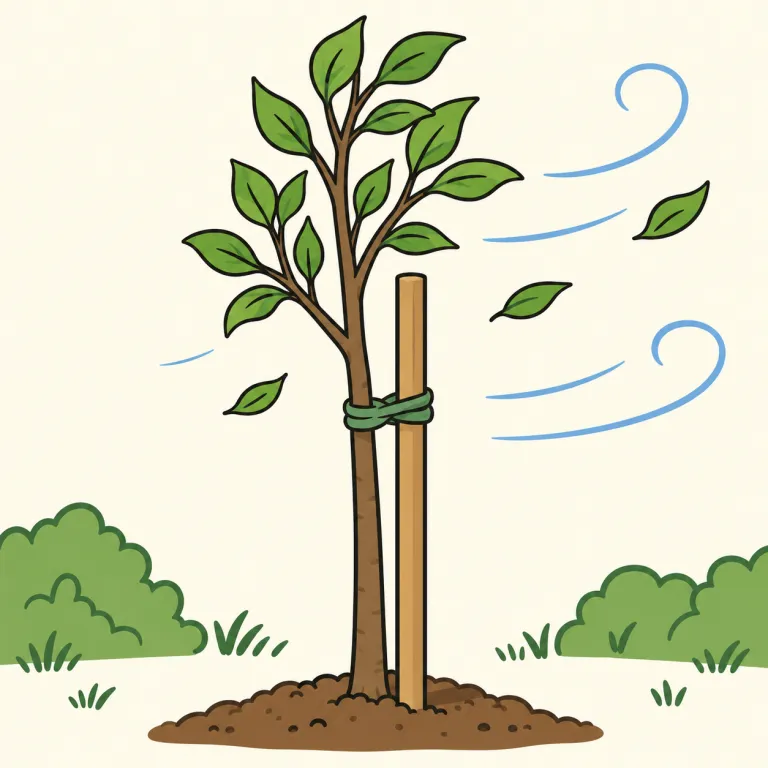
支柱立て
解説 Definition
propping は prop(支える、支柱で支える)に由来する動名詞・名詞で、支柱を立てて支えることを指します。建築、園芸、応急的な補強などで、物が倒れないように支える作業に使われます。
Propping is the act or process of supporting an object with a post, brace, or other support so that it remains upright or stable. It is often used for walls, trees, and structures during construction, repair, or emergencies.
覚え方のコツ Memory Tip
原形 prop「支柱で支える」に -ing を付ける際、短母音+子音で終わるため p を重ねて propping とする。発音は prop /prɒp/ に /ɪŋ/ を続けた /ˈprɒpɪŋ/。propping a wall、propping a young tree のように、倒れないよう一時的な支えを置く場面で覚える。
Begin with the verb prop, meaning to hold something up with a support. When -ing is added, the final p is doubled because prop ends in a stressed short vowel followed by one consonant: prop becomes propping. Pronounce it /ˈprɒpɪŋ/, adding /ɪŋ/ to prop. Picture workers propping a damaged wall or gardeners propping a young tree against the wind. The word usually suggests a physical and sometimes temporary support, especially during construction, repair, or stabilization.
例文
Propping the young tree kept it straight in the wind.
若い木に支柱を立てたことで、風の中でもまっすぐ保てました。
The workers began propping the damaged wall.
作業員たちは損傷した壁に支柱を立て始めました。
Proper propping is important during temporary repairs.
一時的な修理では、適切に支柱を立てることが重要です。
propping の類義語・関連語
propping の語源・成り立ち Etymology
prop(支柱)+ -ing から成る。prop は中期オランダ語 proppe(栓・支え)に由来する。物を倒れないよう支える道具や行為を指す。舞台の小道具 props も同語源で「支えるもの」が原義。関連語:prop up(支える)、support(支持)。
Propping is the -ing form of prop, with the final consonant doubled according to the usual spelling pattern. Prop as a noun and verb is historically connected with Middle Dutch proppe, referring to a stopper, plug, or support. Its central idea is something placed against or beneath another object to hold it steady. The theatrical noun prop has a related history but developed a distinct specialized sense.
同じレベルの語彙をもっと
外部辞書で調べる
この英単語をクイズで覚えよう