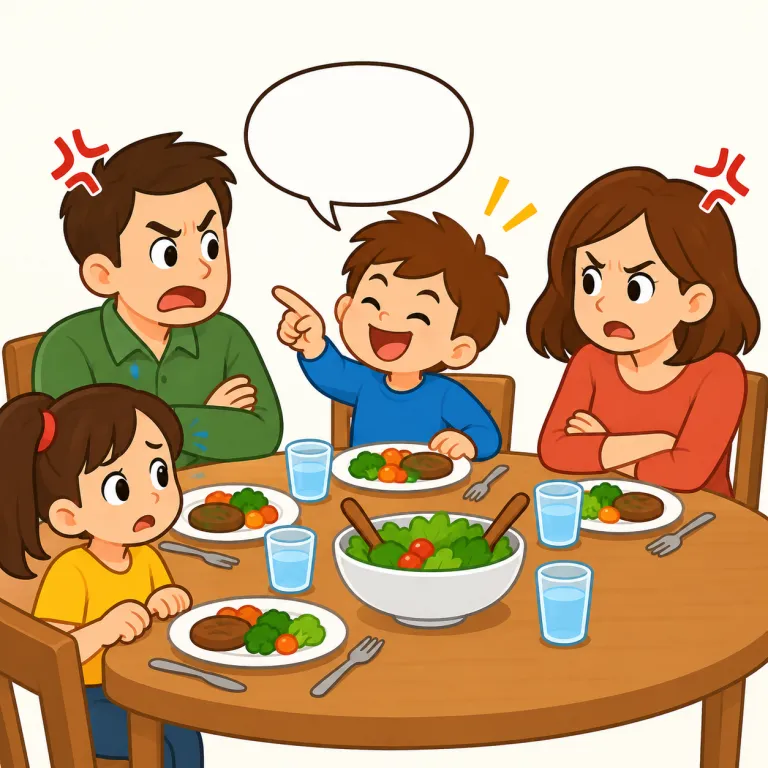
挑発的な
解説 Definition
provoking は、怒りやいら立ち、議論などの強い反応を引き起こす「挑発的な」を表す形容詞です。thought-provoking のような複合語では、深い思考や興味を刺激する意味になります。
Causing anger, irritation, argument, or another strong reaction, especially through deliberately challenging remarks or behavior. In combinations such as thought-provoking, it can instead describe something that stimulates serious thought or interest.
使い方 Usage
使い分け Common distinctions
- 単独の provoking は腹立たしさや挑発を示すことが多く、thought-provoking は「深く考えさせる」という意味です。 Provoking on its own often suggests irritation or challenge. Thought-provoking means stimulating serious thought.
覚え方のコツ Memory Tip
provoke「挑発する」の語末の無音の e を取って -ing を付けた形です。発言を受けて相手が怒ったり反論したりする場面を思い浮かべましょう。
Start with provoke and drop its final silent e before adding -ing. Picture a remark drawing anger or an argument from the listener.
例文
His provoking remarks caused tension at the dinner table.
彼の挑発的な発言で、食卓の雰囲気が険悪になった。
She found his provoking attitude difficult to ignore.
彼女は彼の挑発的な態度を無視するのが難しいと感じた。
provoking の類義語・関連語
派生語
provoking の語源・成り立ち Etymology
provoking は provoke の現在分詞形で、古フランス語 provoker、さらにラテン語 provocare「前へ呼び出す」に由来します。pro-「前へ」+ vocare「呼ぶ」から、感情や反応を引っぱり出す感覚で「挑発する・腹立たしい」になりました。関連語は provoke、provocation。
Provoking is the -ing form of provoke, with the final silent e removed before the suffix is added. Provoke entered English through Old French provoker from Latin provocare, formed from pro-, meaning “forth” or “forward,” and vocare, “to call.” The original image is therefore of calling something forth. That idea developed naturally into causing a response, challenging someone, or bringing an emotion such as anger to the surface.
同じレベルの語彙をもっと
外部辞書で調べる
この英単語をクイズで覚えよう