意外な巡り合わせ、偶然
noun 名詞予想外の結果をもたらす、不思議な偶然や成り行きを指す。人や物の固有の癖ではなく、a quirk of fateやa quirk of historyの形で、運命や歴史の意外な展開について使われる。
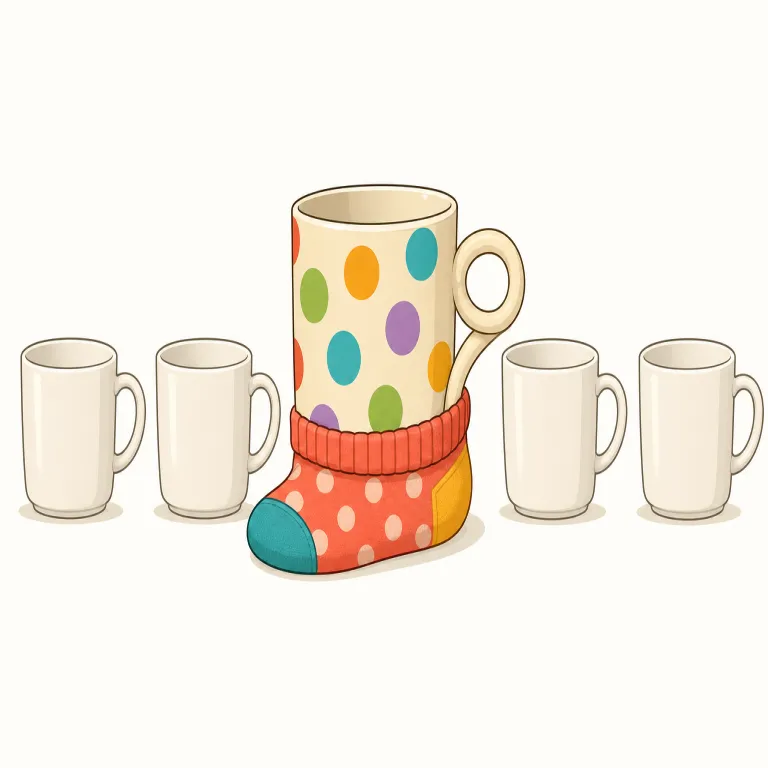
quirk は英検1級レベルの英単語で、「癖」という意味があります。発音記号は /ˈkwɜːrk/ です。
人の行動や性格に見られる独特の癖や特徴を指します。状況によっては、機械やソフトウェアなどが示す予想外で一貫性のない振る舞いも「quirk」と表現されます。
A quirk is an unusual habit, feature, or small difference that makes someone or something distinctive. It often refers to something odd but not serious, and it can sound neutral or slightly positive.
quirk は habit よりも「普通から少しズレた、その人らしい癖」と捉えると残りやすいです。habit が日常的な習慣なら、quirk は見た人が『その人っぽい』と感じる小さな変わり方。a quirky person, a quirk of personality をセットで覚えると定着します。さらに software quirks なら、bug ほど深刻ではないが毎回少し妙な動きをする感じ。欠点と決めつける語ではなく、「個性あるズレ」が核です。
A `quirk` is not just any habit; it is a small unusual trait that makes someone or something feel distinctive. Think `personal quirk` or `software quirk` for a pattern that is odd but not always serious. The memory hook is `a little off in a recognizable way`.
He has a quirk of tapping his fingers when he is nervous.
彼は緊張したとき指をたたく癖があります。
One of her endearing quirks is humming while she works.
彼女の愛すべき癖の一つは、仕事中に鼻歌を歌うことです。
The software has a quirk where the menu opens slightly slower the first time.
そのソフトウェアには、初回だけメニューが少し遅く開くという独特の癖があります。
文脈によって、次の意味でも使われます。
予想外の結果をもたらす、不思議な偶然や成り行きを指す。人や物の固有の癖ではなく、a quirk of fateやa quirk of historyの形で、運命や歴史の意外な展開について使われる。
quirkは16世紀の英語で、語源ははっきりしないものの「急なひねり・曲がり」を表した語とされます。そこから性格や行動の小さなねじれが「癖」になったと考えると腑に落ちます。関連語はquirky、quirkinessです。
`Quirk` appeared in English in the 16th century, but its exact origin is uncertain. Early uses seem to have involved a sudden twist, turn, or tricky turn of phrase. From that small sense of a bend or odd turn, it later came to mean a peculiar habit or unusual personal feature, as in `quirky` and `quirkiness`.
この英単語をクイズで覚えよう