意味一覧 (3件)
烏合の衆
解説 Definition
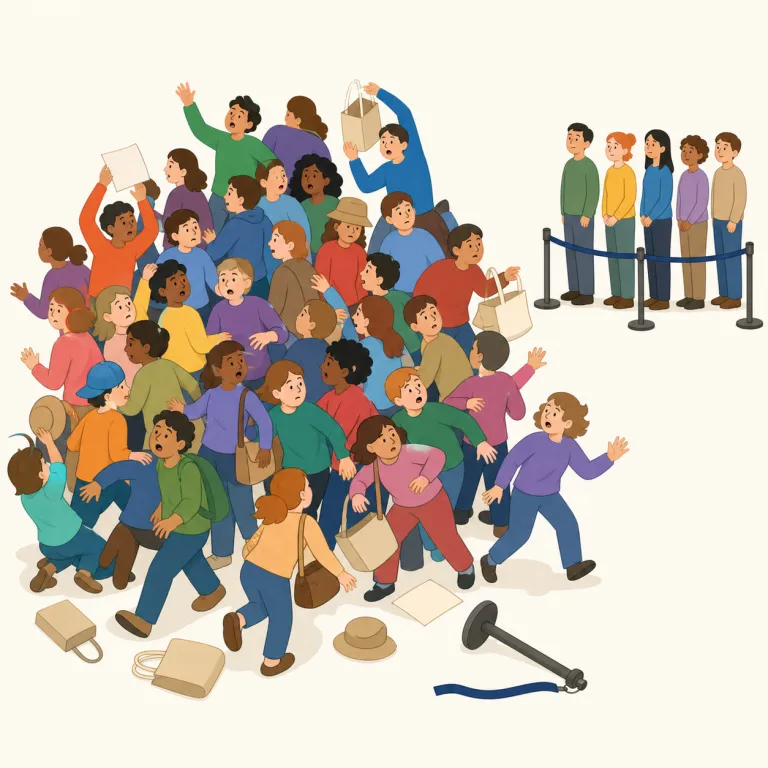
軽蔑やいら立ちを込めて、まとまりなく騒いだり押し寄せたりする人々の集まりを指す名詞。単なる人数の多い集団ではなく、話し手が品のなさや無秩序さを感じている点が重要で、烏合の衆のように見なす場面で使われる。演説や記事では、相手を見下して群衆扱いする響きが出る。
This is a noisy, disorderly crowd viewed with contempt or irritation. The term suggests that the people lack discipline or behave without reason or control.
覚え方のコツ Memory Tip
mob に近いが、rabble は「統率がなく、がやがや騒ぐ群衆」という軽蔑的ニュアンスが強い。きちんと集まった crowd の反対側に置くと覚えやすい。政治や暴動の文脈で an angry rabble, stir up the rabble のように出やすく、「理性的な市民」ではなく、煽られて騒ぎ、秩序を崩す集団を描く語。rebel が反抗する人・勢力なのに対し、rabble は無秩序な群衆そのもの。
Think of a rabble as a crowd behaving like an uncontrolled mob, not an orderly gathering. The word is strongly disrespectful and often appears in political or riot-related descriptions.
例文
A rabble gathered outside the theater, shouting for refunds.
劇場の外には、返金を求めて叫ぶ烏合の衆が集まった。
The guards struggled to hold back the rabble at the gate.
門の前の烏合の衆を食い止めるのに警備員たちは苦労した。
The mayor looked down at the rabble filling the square.
市長は広場を埋める烏合の衆を見下ろした。
下層民
(意味 2)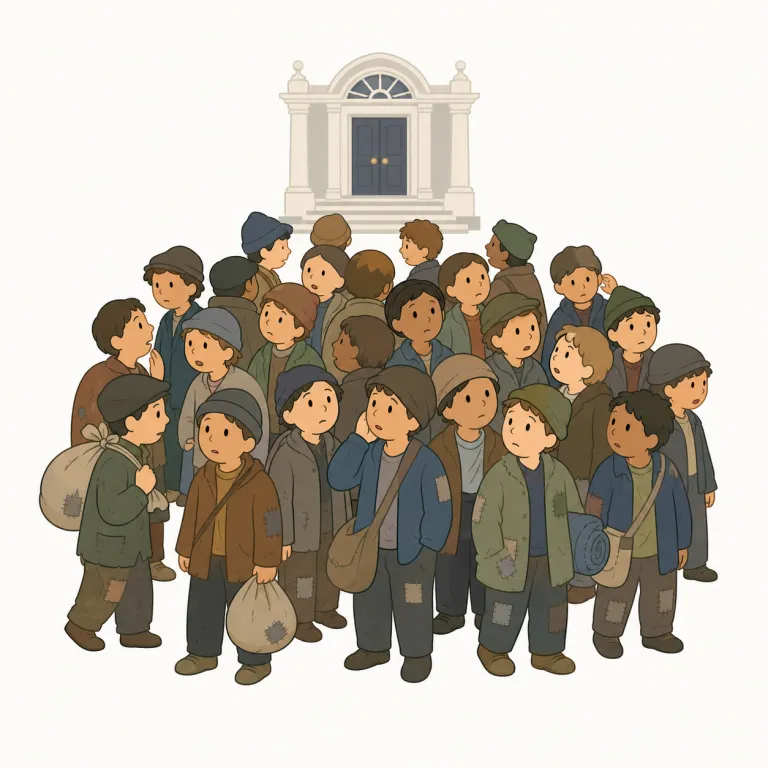
解説 Definition
身分の高い人や権力者が、一般庶民や貧しい人々を見下して呼ぶときの名詞。社会的地位の低さを強調する古風で侮蔑的な語で、単に人々と言うより、価値が低い集まりだと決めつける響きがある。歴史物や階級差を描く文脈でよく現れる。
This is an old-fashioned and insulting term for poor people or people of low social status as a group. It is typically used from the viewpoint of someone who considers ordinary people socially inferior.
覚え方のコツ Memory Tip
rabble は「身分の低い連中」と見下す古風な言い方として覚えるとよい。貴族や権力者が farmers や common people をひとまとめにして、価値の低い集まりのように呼ぶ語です。mob のように実際に騒いでいる群衆を指す場合もありますが、この語義では騒がしさより階級的な軽蔑が中心。the rabble と定冠詞で出たら、「下々の者ども」と訳す感覚を持つと定着しやすい。
In this sense, imagine nobles contemptuously calling common people the rabble. The focus is social rank and class prejudice, not whether the people are actually making noise.
例文
The nobles referred to the farmers as rabble.
貴族たちは農民を下層民呼ばわりした。
He rose from the rabble to become a minister.
彼は下層民の身分から大臣にまで上り詰めた。
The club once barred the rabble from entering.
そのクラブはかつて下層民の入場を禁じていた。
暴徒
(意味 3)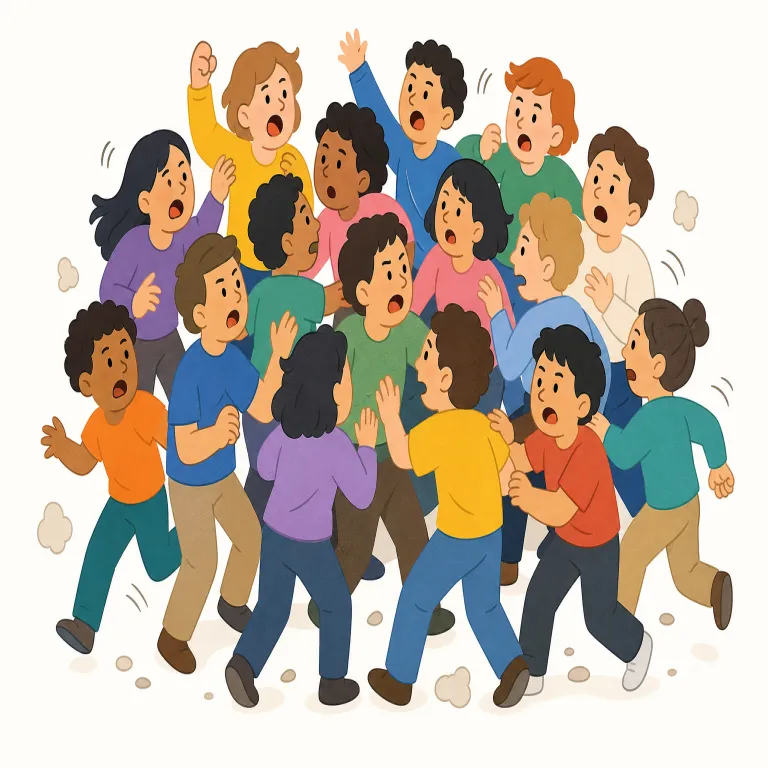
解説 Definition
暴徒とは、秩序を乱す目的で集まった群衆や大勢の人々を指します。暴力的または混乱を引き起こす可能性のある集団を意味します。
Rabble refers to a noisy, disorganized crowd, especially one seen as rough, angry, or lacking control. It is often used in political or historical contexts for a mob. The word is usually negative and can sound old-fashioned or insulting.
覚え方のコツ Memory Tip
mob に近いが、rabble は「統率がなく、がやがや騒ぎ、秩序を崩す暴徒」という軽蔑的ニュアンスが強い。きちんと集まった crowd の反対側に置くと覚えやすい。政治や暴動の文脈で an angry rabble, disperse the rabble のように出やすく、単なる人混みではなく、煽られて騒ぎ、警察が鎮圧するような集団を描く語。rebel が反抗する人・勢力なのに対し、rabble は無秩序な暴徒そのもの。
Put `rabble` next to `mob`, but with a more negative feeling. It suggests a noisy, disorderly crowd with little control, not an ordinary `crowd`. Common phrases like `an angry rabble` and `stir up the rabble` help fix the tone.
例文
The police dispersed the rabble that gathered in the square.
警察は広場に集まった暴徒を散らしました。
The rabble rose to protest the new law.
暴徒は新しい法律に抗議するために立ち上がりました。
The government was concerned about the growing rabble.
政府は膨れ上がる暴徒を懸念していました。
rabble の類義語・関連語
rabble の語源・成り立ち Etymology
rabble は中英語の rablen「早口でごちゃごちゃ話す」にさかのぼり、さらに中低地ドイツ語・低地ドイツ語の「ぺちゃくちゃしゃべる」系と結びつけられます。騒がしくまとまりのない音の感覚が、そのまま「烏合の衆」「暴徒」という意味になった語で、関連語に rabble-rouser があります。
Rabble may be related to Middle English rablen, meaning to speak rapidly and confusedly, and to similar Low German words for chattering. This possible connection reflects the idea of confused noise associated with a disorderly crowd.
同じレベルの語彙をもっと
外部辞書で調べる
この英単語をクイズで覚えよう