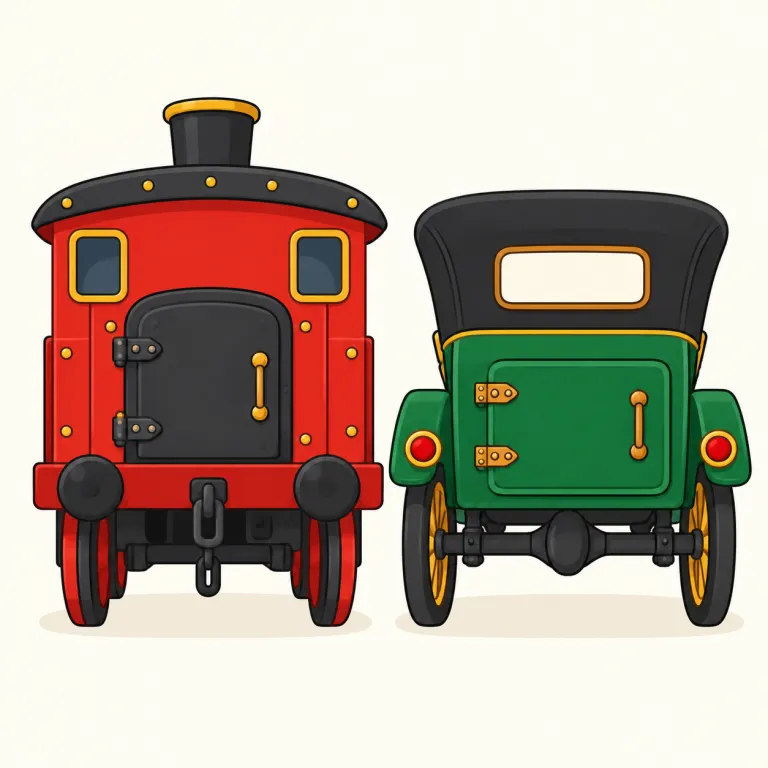
後部 / 育てる
解説 Definition
rears は rear(後部)の複数形で、複数の後部や背面を指します。また、動詞 rear(育てる)の三人称単数現在形として「育てる」という意味でも使われます。
As a plural noun, rears means the back parts or surfaces of two or more things. As the third-person singular present form of the verb rear, it means raises or breeds a child or animal, or causes something to rise upright, depending on context.
覚え方のコツ Memory Tip
rears には二つの文法的な姿があります。名詞 rear「後部」に -s を付けた複数形なら「複数の後部」で、語末は /z/。動詞 rear「育てる・立ち上がる」の三人称単数現在形なら he or she rears animals の形です。the rears of cars と a farmer rears sheep を対にして覚えましょう。
First identify whether rears is a noun or a verb. In the rears of two cars, it is the regular plural of the noun rear, meaning their back parts; the final -s is pronounced /z/. In a farmer rears sheep, it is the third-person singular present form of the verb rear, meaning raises or breeds. Pair those two patterns in memory: the rears of vehicles versus she rears animals. Although the forms are identical, the noun meaning “back part” and the verb meaning “raise” have different historical origins.
例文
The rears of the two cars were badly damaged.
その2台の車の後部はひどく損傷していました。
This farmer rears sheep on a small hill farm.
この農家は小さな丘の農場で羊を育てています。
The museum shows the rears of several old machines.
その博物館では、いくつかの古い機械の背面を見ることができます。
rears の類義語・関連語
rears の語源・成り立ち Etymology
rears は実は二つの語源が重なります。名詞 rear「後部」は古フランス語 arere を経てラテン語 retro「後ろへ」にさかのぼり、動詞 rear「育てる・持ち上げる」は古英語 rǣran「起こす」由来なので、「後ろ」と「育てる」は別筋です。関連語は rearward, raise。
The form rears adds regular -s to rear, either as a plural noun or as a third-person singular present verb. The noun rear, “back part,” came through Old French arere and ultimately relates to Latin retro, “backward.” The verb rear, “raise, bring up, or cause to rise,” comes from Old English rǣran, “to raise.” The two modern senses therefore belong to historically different lines.
同じレベルの語彙をもっと
外部辞書で調べる
この英単語をクイズで覚えよう