意味一覧 (2件)
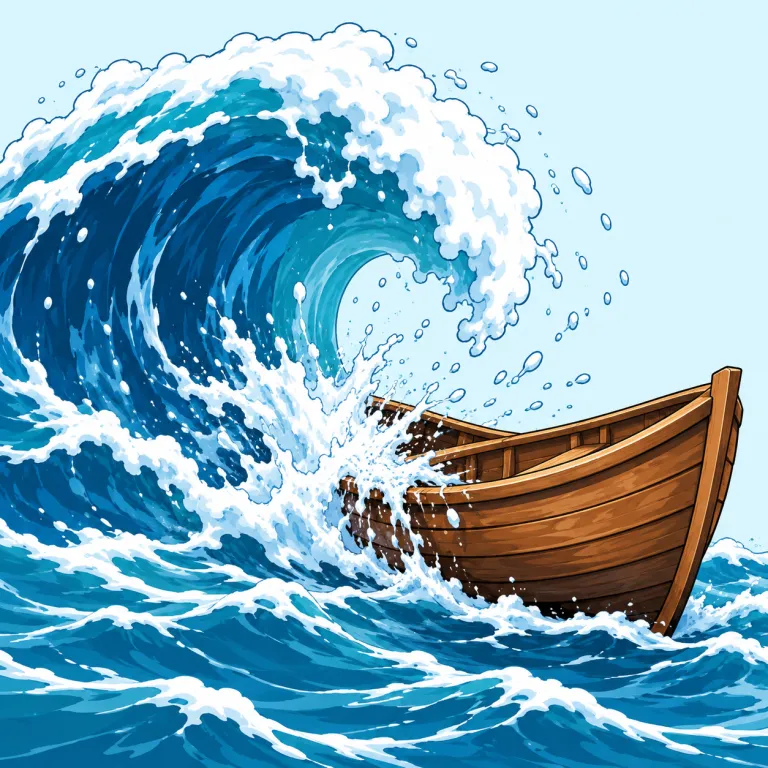
鞭打ち、激しい打撃
解説 Definition
むちなどで人や動物を打つことを指します。また、物が強く当たるような激しい一撃を表すこともあります。
A lashing is the act of hitting someone or an animal with a whip. It can also mean one hard blow.
覚え方のコツ Memory Tip
lashing は lash「むちで強く打つ」に動作を表す -ing が付いた名詞で、繰り返し激しく打ちつける感覚が中心です。実際の鞭打ちだけでなく、風雨や波が海岸・船・屋根をむちのように何度もたたく激しい打撃にも使います。特に take a lashing from the storm、survive a lashing from the waves の形を押さえましょう。「嵐の長いむちが海岸を打ち続ける」映像に固定すると、単発の軽い hit との違いも残りやすいです。
Think of lash as striking with a whip. A lashing is that whipping action or a hard strike.
例文
The coast took a lashing from the storm.
海岸は嵐の激しい打撃を受けました。
The small boat survived a lashing from the waves.
その小舟は波の激しい打撃に耐えました。
The roof took a lashing from the wind and rain.
屋根は風雨に激しく打ちつけられました。
縛り付け
(意味 2)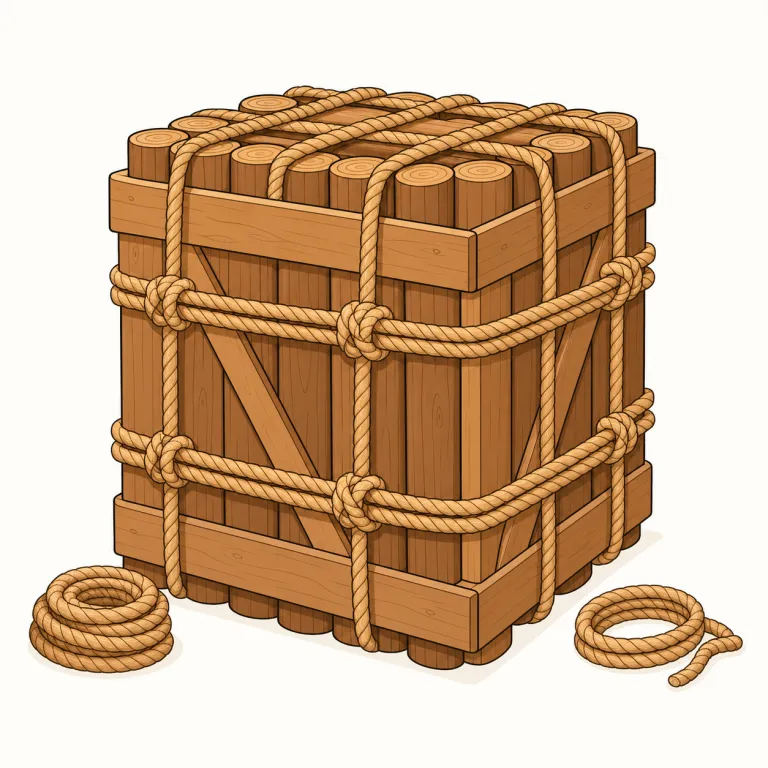
解説 Definition
縛り付けること、または強く結ぶために使われるロープを示す名詞。物を固定または結合するための結束方法を表します。
A lashing is a rope, cord, or strap used to tie something down tightly and keep it secure. It is often used with cargo, equipment, or parts on ships and vehicles. In some contexts, it can also mean a hard strike with a whip or similar object.
覚え方のコツ Memory Tip
まず lash を軸に覚える。lash には「激しく打つ」のほか「ロープできつく結ぶ」もあり、lashing はその -ing 形で「結び付けること/その結束材」。実際は cargo lashing, rope lashing のように、荷物や棒材を動かないよう固定する場面でよく出る。binding よりも、ひもやロープを何度か回して締め上げる具体的で現場的な感じが強い。反対の unlash「ほどく」と対で見ると整理しやすい。lash を「むちで打つ」だけで覚えると意味を取り違えやすいので注意。
Remember the less common side of `lash`: not "hit," but "tie tightly with rope." Think of `cargo lashing` or `rope lashing` on a ship, where ropes are wrapped again and again to hold things still. If `unlash` means loosen or untie, `lashing` is the tight tying that comes before it.
例文
The lashing of the cargo to the truck was secure.
荷物はトラックにしっかりと縛り付けられていた。
They used rope lashing to fasten the boat.
彼らはボートを固定するためにロープで縛り付けた。
The lashing held the boxes firmly in place.
縛り付けたロープで、箱は所定の位置にしっかり固定されていた。
lashing の類義語・関連語
lashing の語源・成り立ち Etymology
lash は「むちで打つ」という意味の古い英語に由来します。そこに動作や結果を表す -ing が付いて、「むちで打つこと」という名詞になりました。
Lashing comes from lash, meaning to strike with a whip, plus -ing. The -ing ending forms a noun for the action.
同じレベルの語彙をもっと
外部辞書で調べる
この英単語をクイズで覚えよう