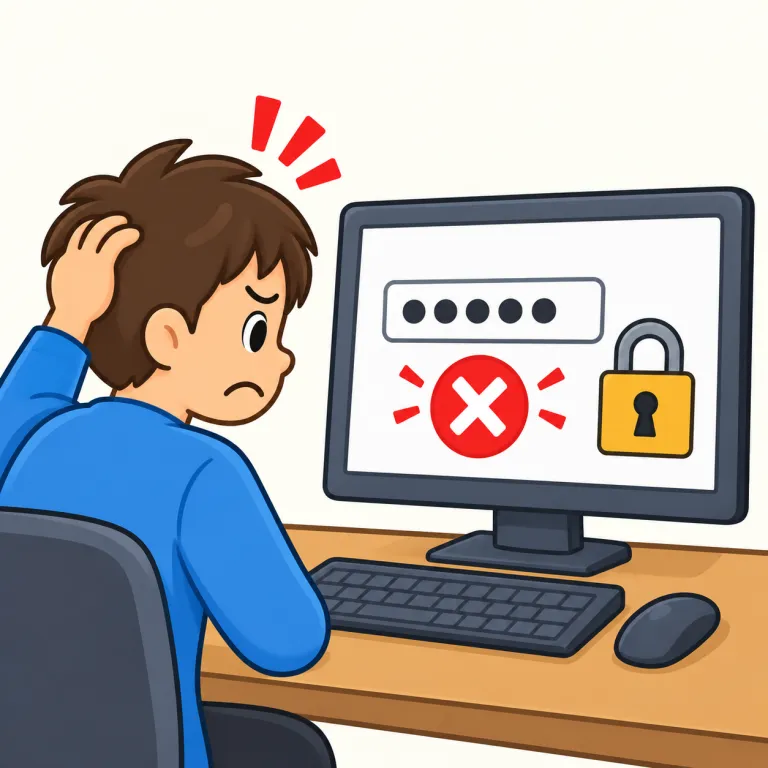
拒否する
解説 Definition
rejects は reject(拒否する、却下する)の三人称単数現在形です。人や組織、システムなどが、提案・申請・要求などを受け入れないことを表します。
Rejects is the third-person singular present form of reject. It means that a person, organization, or system refuses to accept, approve, or process an offer, application, request, password, or other submitted item.
使い方 Usage
- 主語が he、she、it や the system などの三人称単数で、現在の習慣や動作を述べるときに rejects を使います。 Use rejects with third-person singular subjects such as he, she, it, or the system when describing present habits or actions.
- rejects an offer/application のように、拒否する対象を前置詞なしで続けます。 Put the rejected item directly after rejects without a preposition, as in rejects an offer or rejects an application.
覚え方のコツ Memory Tip
reject に -s を付けて rejects /rɪˈdʒekts/。語の成り立ちにある「投げ返す」というイメージを、受け入れない申請や提案を返す場面と結び付けましょう。
Add -s to reject: rejects, pronounced /rɪˈdʒekts/. Its historical image of throwing something back can help you picture an application or proposal being refused.
例文
The system rejects incorrect passwords.
そのシステムは間違ったパスワードを拒否します。
She rejects offers that do not meet her conditions.
彼女は自分の条件に合わない申し出を断ります。
rejects の類義語・関連語
rejects の語源・成り立ち Etymology
ラテン語 reicere(re- 後ろへ+iacere 投げる)に由来し、「投げ返す」が原義。古フランス語 rejeter を経て英語に入った。関連語に inject(注入する)、project(前に投げる=計画)がある。不要なものを「投げ戻す」→「拒否する」と意味が発展した。
Reject comes from Latin reicere, “to throw back,” formed from re-, “back,” and iacere, “to throw.” It passed into English through French forms related to rejeter. The physical image of throwing something back developed into the abstract meaning “refuse to accept or approve.” Rejects adds the third-person singular present suffix -s to the base verb reject.
同じレベルの語彙をもっと
外部辞書で調べる
この英単語をクイズで覚えよう