卑劣な人、嫌な人
noun 名詞冷酷で卑劣だとみなす人を指す、強い侮蔑表現です。会話や文章で人の人格を嫌悪して呼ぶ比喩的な可算名詞で、動物としての分類ではなく、非常に無礼なので使用には注意が必要です。
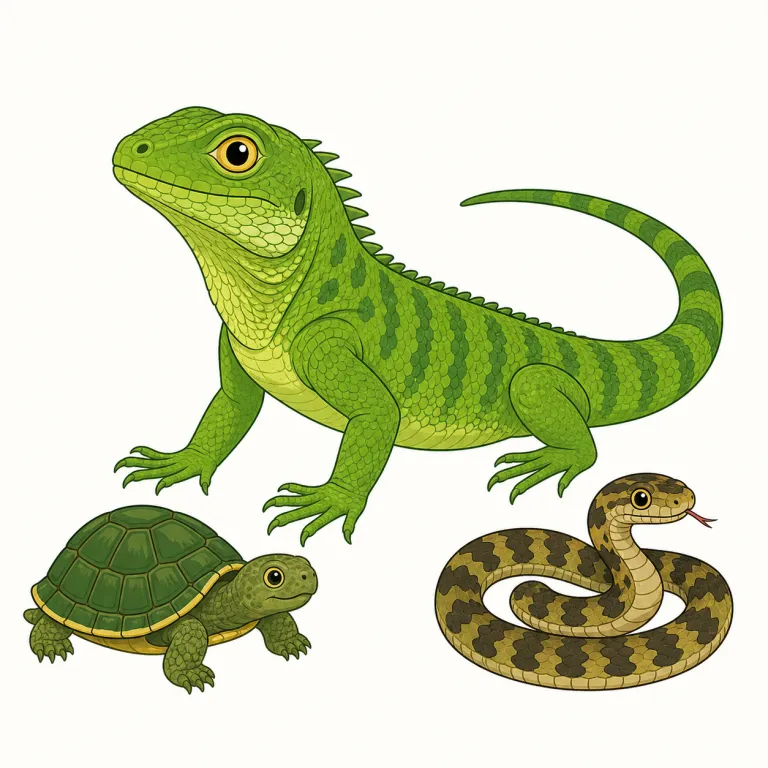
reptile は英検準1級レベルの英単語で、「爬虫類」という意味があります。発音記号は /ˈrɛptaɪl/ です。
爬虫類は、冷血動物であり、脊椎骨を持つ脊椎動物の一種です。ワニ、トカゲ、ヘビ、カメなどが含まれ、多くの爬虫類は乾燥した環境に適応しています。
A reptile is a type of animal such as a snake, lizard, turtle, or crocodile. Reptiles usually have dry skin covered with scales and are cold-blooded. The word is mainly used in biology and everyday descriptions of animals.
reptile は「ヘビ・トカゲ・カメ・ワニをまとめる上位語」として覚えると定着しやすいです。snake, lizard, turtle, crocodile は言えても、総称の reptile が抜けやすいので、この4語を見たら同じ箱に入れる感覚で。動物園なら reptile house、図鑑なら reptiles and amphibians の並びが定番。frog などの amphibian(両生類)と混同しないこと、形容詞 reptilian も一緒に押さえると記憶がつながります。
Remember `reptile` as the group word for animals like snakes, lizards, turtles, and crocodiles. Many learners know the individual animals but forget the category name. Useful memory pairs are `reptile house` and `reptiles and amphibians`, which also help you avoid mixing it up with `amphibian`.
Snakes and lizards are common reptiles found in warm climates.
ヘビとトカゲは、温暖な地域でよく見られる爬虫類です。
Reptiles warm their bodies in the sun.
爬虫類は日なたで体を温めます。
Many reptiles lay eggs rather than giving birth to live young.
多くの爬虫類は、子を直接産むのではなく、卵を産みます。
文脈によって、次の意味でも使われます。
冷酷で卑劣だとみなす人を指す、強い侮蔑表現です。会話や文章で人の人格を嫌悪して呼ぶ比喩的な可算名詞で、動物としての分類ではなく、非常に無礼なので使用には注意が必要です。
reptile はラテン語 reptilis「はって進むもの」に由来し、rep-「はう」+ -ilis「〜の性質をもつ」と分けられます。reptilian や surreptitious も同根で、地面を低く忍び進むイメージが、そのまま「爬虫類」の名になりました。
Reptile comes from Latin reptilis, meaning "creeping" or "crawling." It is based on a root meaning "to creep" or "crawl." The image of moving low along the ground became the basis for the animal group name; reptilian and surreptitious come from the same root.
この英単語をクイズで覚えよう