救助する
解説 Definition
rescues は rescue「救助する」の三人称単数現在形です。人や動物を危険な状況から助け出すことを表します。
Saves a person or animal from danger, harm, captivity, or another threatening situation. It is the third-person singular present form of rescue, used with a singular subject such as he, she, or a team.
使い方 Usage
- he、she、the firefighter、this team など、三人称単数の主語に使います。 Use rescues with a third-person singular subject such as he, she, the firefighter, or this team.
- rescues someone from ... で「人を…から救助する」。from の後には危険な場所や状況を置けます。 Rescues someone from ... identifies the person saved and the dangerous place or situation they are brought out of.
使い分け Common distinctions
- help は広く「助ける」を表しますが、rescue は危険や窮地から助け出す意味が中心です。 Help describes assistance broadly, while rescue focuses on bringing someone out of danger or a threatening situation.
覚え方のコツ Memory Tip
rescue に三人称単数現在の -s を付けた形です。母音 /uː/ の後なので -s は /z/ と発音します。「危険な場所から安全な場所へ助け出す」場面を思い浮かべましょう。
Add -s to rescue for the third-person singular present. Since rescue ends in the vowel sound /uː/, the ending is pronounced /z/. Picture bringing a person or animal from danger to safety.
例文
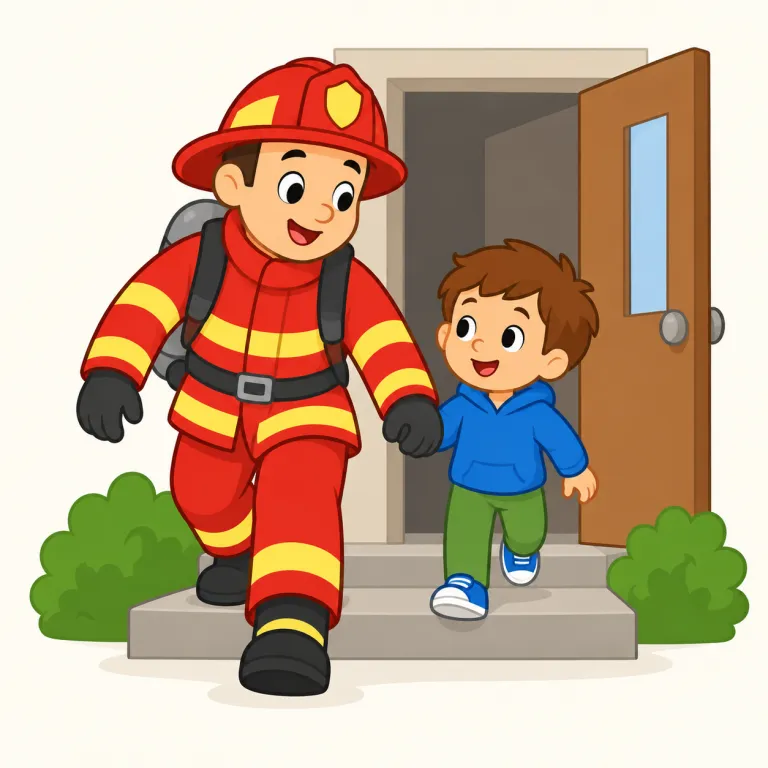
The firefighter rescues a child from the building.
消防士が建物から子どもを救助します。
This team rescues hikers in the mountains.
このチームは山で登山者を救助します。
The volunteer group rescues animals after storms.
そのボランティア団体は嵐の後に動物を救助します。
rescues の類義語・関連語
rescues の語源・成り立ち Etymology
古フランス語 rescourre(取り戻す)から。ラテン語 re-(再び)+ excutere(振り払う)が語源で、「危険から振り払って引き離す」が原義。ex-(外へ)+ quatere(揺する)の組み合わせ。関連語: rescue, discussion(同根のquatereから)。
Rescues is the third-person singular present form of rescue. Rescue entered English through French, from a noun and verb family associated with Old French rescourre, meaning to deliver, free, or recover. That form ultimately reflects Latin elements conveying movement back or away and a shaking loose. The historical development supports the modern idea of freeing someone from danger, control, or a threatening situation.
同じレベルの語彙をもっと
外部辞書で調べる
この英単語をクイズで覚えよう