反乱
解説 Definition
revolts は revolt(反乱、暴動)の複数形です。政府や支配者に対する複数の反乱、または各地で起きた反抗的な動きを指します。
Revolts are separate acts or outbreaks of organized resistance against a government, ruler, or established authority. The plural form of revolt is used when discussing multiple uprisings, whether they occur at different times or in different places.
覚え方のコツ Memory Tip
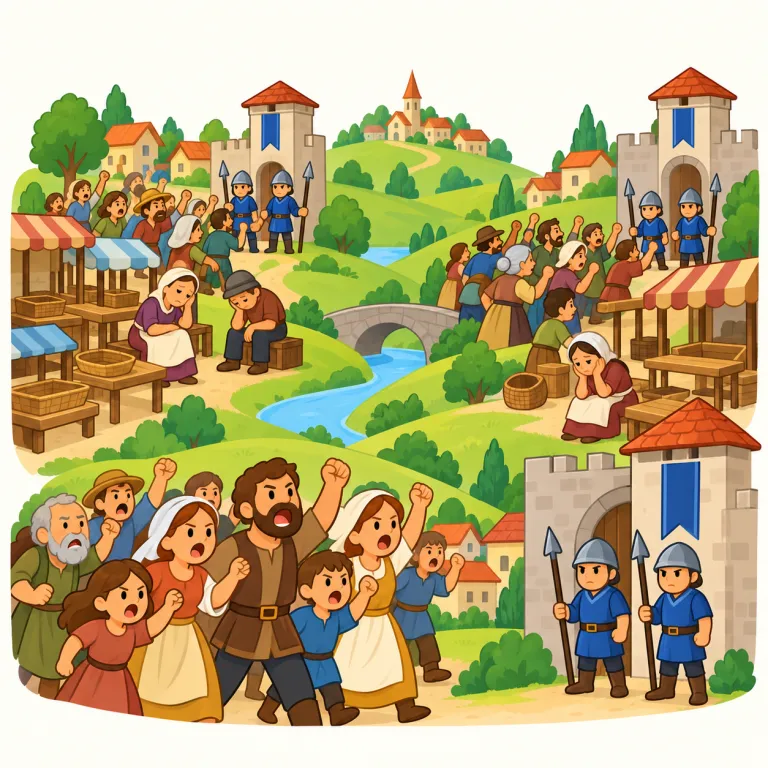
revolt(反乱)の複数形で、語尾に規則的に -s を付け、発音は /s/ です。「支配に背を向ける動き」が各地・複数回起きる場面を描き、several revolts、revolts against the empire、face revolts の形で覚えます。revolution は体制を大きく変える「革命」、rebellion はより広い「反抗・反乱」で、revolt は具体的な蜂起を指しやすい語です。
Revolts is the regular plural of the noun revolt. Add -s to revolt; because the base ends in the voiceless sound /t/, the plural ending is pronounced /s/. Picture several populations turning against a ruler, as in revolts against the empire, regional revolts, or the government faced revolts. Revolt often names a particular outbreak of resistance. Rebellion is a broader near-synonym, while revolution commonly suggests a more fundamental transformation of a political or social system. These contrasts help keep the historical noun sense precise.
例文
The history book describes several revolts.
その歴史書はいくつかの反乱について述べています。
Food shortages led to revolts in the region.
食料不足がその地域での反乱につながりました。
The empire faced revolts in distant provinces.
その帝国は遠くの属州で反乱に直面しました。
revolts の類義語・関連語
類義語
revolts の語源・成り立ち Etymology
ラテン語volvere(転がる)に由来し、re-(後ろへ)+volt(回る)から「権力へ背を向けて逆回転する」の意が生まれました。同根語revolution(革命)とも繋がり、物理的な「転倒」が政治的な「反乱」へ拡張された語の流れが納得を促します。
Revolt came into English through French and Italian forms ultimately connected with Latin revolvere, “to roll back or turn over.” That Latin verb combines re-, “back or again,” with volvere, “to roll or turn.” The idea of turning away or turning against authority developed into the political sense of an uprising. Revolution belongs to the same historical word family. Revolts is the regular plural of revolt, with -s added to refer to multiple uprisings.
同じレベルの語彙をもっと
外部辞書で調べる
この英単語をクイズで覚えよう