濁らせる
verb 動詞水底の泥や沈殿物を巻き上げて、水などを濁らせていることを表す。roiling the water のような他動詞用法で、単に激しく波立たせるだけでなく、かき回した結果として透明でなくなる点に焦点がある。
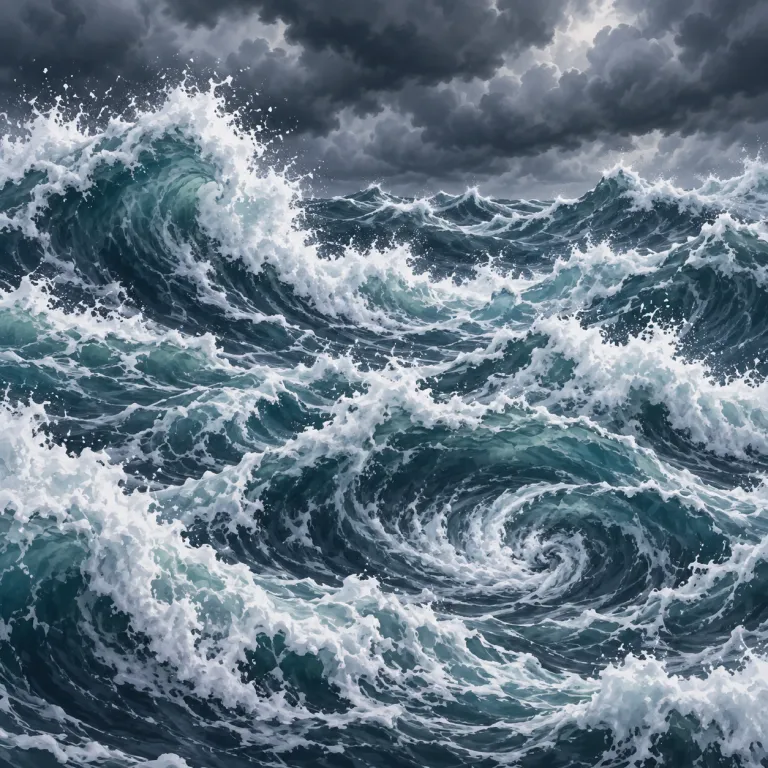
激しくうねる、乱流の状態。混乱した、不穏な。
Roiling describes water, smoke, clouds, or emotions that are moving in a violent, swirling, or troubled way. It suggests strong motion, confusion, or unrest. The word is often used in vivid or literary descriptions.
boiling を知っているなら、その「ぐらぐらした落ち着かなさ」を足場にすると覚えやすいです。roiling は実際に“煮えている”とは限らず、水面・雲・群衆・感情などが激しくかき乱され、うねり、不穏な状態にある感じ。roiling sea, roiling smoke, roiling anger のように、見た目にも内面にも使えます。rolling との違いは、単に転がるのでなく、もっと混乱と激しさが強い点です。
Use `boiling` as your memory hook. `Roiling` has a similar feeling of strong movement and disorder, but it is not only for heat. Think of `roiling sea`, `roiling smoke`, or `roiling anger` for something violently stirred up.
The roiling water was dangerous
激しくうねる水は危険だった
His roiling emotions were visible
彼の激しく揺れ動く感情は表情に現れていた
The roiling crowd blocked the streets
荒れ狂う群衆が通りを塞いでいた
文脈によって、次の意味でも使われます。
水底の泥や沈殿物を巻き上げて、水などを濁らせていることを表す。roiling the water のような他動詞用法で、単に激しく波立たせるだけでなく、かき回した結果として透明でなくなる点に焦点がある。
roiling は roil + -ing で、「渦立って濁るような状態」を表します。roil は語源未詳ですが、古フランス語系で「泥やさびで濁らせる」に結びつく説が有力で、水がかき乱される像から「荒れ狂う」の意味になりました。関連語は roil、rile。
Roiling comes from roil plus -ing. Roil is of uncertain origin, but it is often linked to French-related words connected with making water muddy or disturbed. From the image of stirred-up, dirty water, the meaning widened to emotional or violent turmoil; rile may be related.
この英単語をクイズで覚えよう