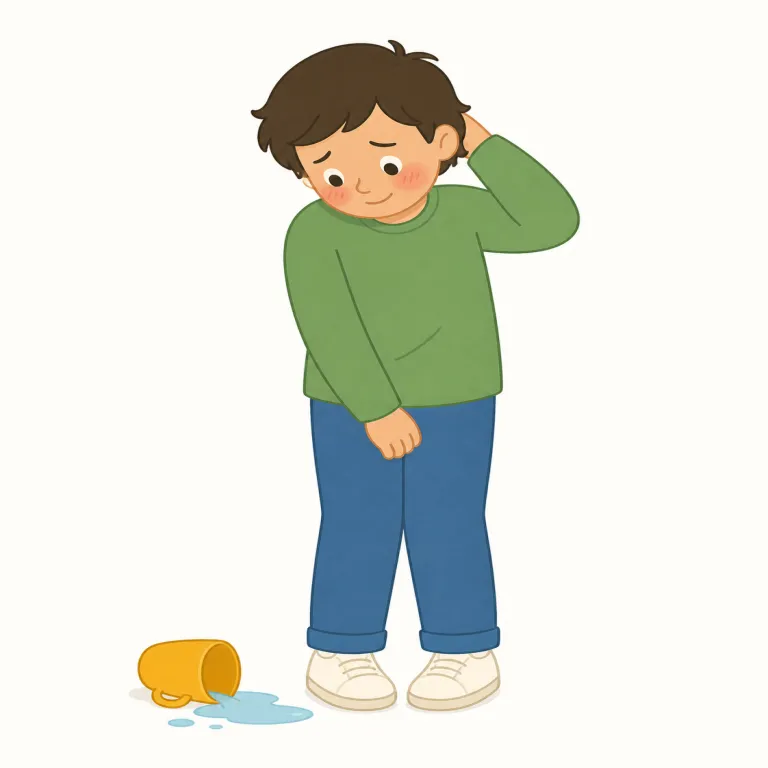
sheepishly
sheepishly は英検1級レベルの英単語で、「恥ずかしそうに」という意味があります。発音記号は /ˈʃiːpɪʃli/ です。
恥ずかしそうに
解説 Definition
恥ずかしさや気まずさを感じている様子を表現する副詞です。不確かさや羞恥心を伴った行動や態度を指します。少し照れている状態での行動を表現します。
Sheepishly means in a shy or embarrassed way, often because someone feels slightly guilty or foolish. It is commonly used to describe a person's expression, smile, or manner after a small mistake or awkward moment. The feeling is usually mild rather than serious.
覚え方のコツ Memory Tip
sheep を知っていれば、まずは視線をそらし、少しおどおどした「羊っぽい」態度を映像で覚えると残りやすいです。形も sheepish「気まずそうな、恥ずかしそうな」→ sheepishly「恥ずかしそうに」と素直に追えます。単なる shyly より、何か失敗した後に照れつつ申し訳なさそう、という気まずさが強いのが特徴です。smile sheepishly, admit sheepishly, say sheepishly のように、笑う・認める・言う場面と結びつけると定着します。
Start from sheep, and picture someone looking down in an awkward, gentle way. Then follow the form: sheepish to sheepishly. It is stronger than just shyly, because it often suggests embarrassment after a mistake. Common pairs like smile sheepishly or admit sheepishly make it easier to remember.
例文
He smiled sheepishly when caught daydreaming in class.
授業中にぼんやりしているところを見つかって、彼は恥ずかしそうに微笑んだ。
She sheepishly admitted she had forgotten the appointment.
彼女は恥ずかしそうに約束を忘れたことを認めた。
He grinned sheepishly after making the silly mistake.
彼は愚かな間違いを犯した後、恥ずかしそうに笑顔を浮かべた。
sheepishly の類義語・関連語
sheepishly の語源・成り立ち Etymology
sheepishly は古英語由来の sheep「羊」+ -ish「…のような」+ -ly「…に」。shepherd や sheepfold と同じ根をもち、「恥ずかしそうに」が「羊みたいにおずおずと」という比喩から来たとわかる語です。
"Sheepishly" comes from "sheep," with "-ish" meaning "like" and "-ly" forming an adverb. The base word is Old English in origin, the same root seen in words like "shepherd." The modern sense grew from comparing a person to a timid or gentle sheep, so it came to mean acting in an embarrassed or shy way.
同じレベルの語彙をもっと
英検1級の一覧へ →外部辞書で調べる
この英単語をクイズで覚えよう