口やかましい女、じゃじゃ馬
noun 名詞気性が荒く、絶えず人を責めたり小言を言ったりする女性を指す、古風で侮蔑的な語。文学作品の題名や人物評で見られるが、現代では性差別的で攻撃的に響くため、通常の人物描写には用いない。
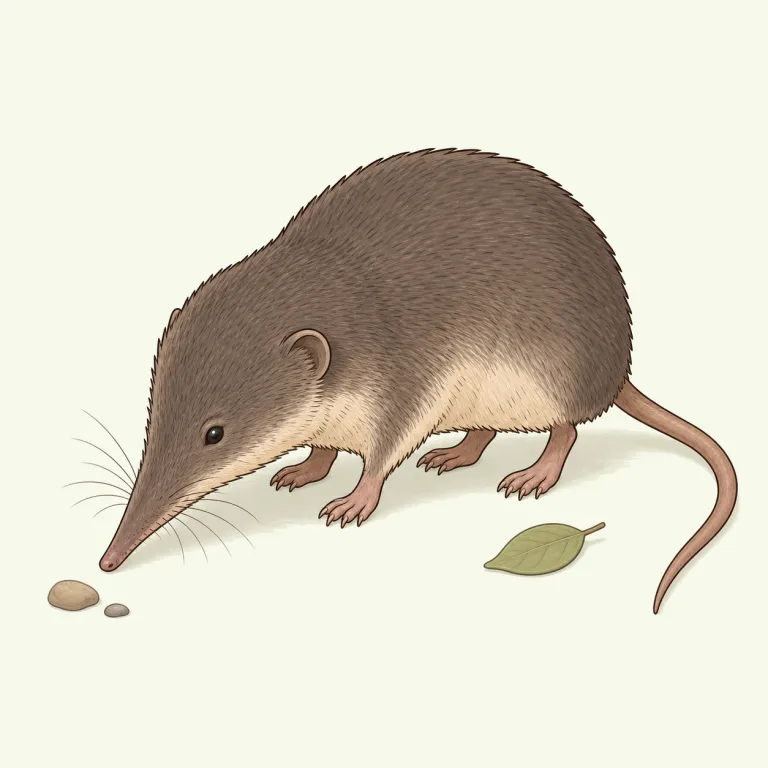
トガリネズミは小型の肉食性哺乳動物で、ネズミのような見た目ですが実際にはネズミ科ではなく独立した科に属しています。鋭い歯と敏捷な動きが特徴です。
A shrew is a very small animal with a pointed nose that looks a little like a mouse. It is used in biology or nature contexts when talking about wild mammals.
まず mouse や rat と同じ「小さい動物」グループの中で、shrew は「ネズミっぽいが別物」と位置づけると残ります。図鑑では a tiny, insect-eating mammal のように説明されることが多いので、small・sharp nose・quick movement を一緒に思い浮かべるのがコツ。語感の shr- に、細く鋭い鼻先がシュッと出た姿を結びつけると定着しやすいです。mouse=典型的なネズミ、shrew=トガった鼻の小型哺乳類、と対比で覚えると混同しません。
Put `shrew` near `mouse` and `rat`, but remember it is not the same animal. Its best visual clue is a very small body with a sharp, pointed nose. Think: `mouse-like, but with a sharper face`.
The shrew hunted insects in the garden throughout the day.
トガリネズミは一日中庭で昆虫を狩っていました。
Despite its small size, a shrew is a fierce predator.
小さい体にもかかわらず、トガリネズミは獰猛な捕食者です。
The shrew's metabolism requires it to eat nearly its own body weight daily.
トガリネズミは代謝が非常に速いため、毎日ほぼ自分の体重と同じ量の食べ物を食べる必要があります。
文脈によって、次の意味でも使われます。
気性が荒く、絶えず人を責めたり小言を言ったりする女性を指す、古風で侮蔑的な語。文学作品の題名や人物評で見られるが、現代では性差別的で攻撃的に響くため、通常の人物描写には用いない。
shrew は古英語 scrēawa(トガリネズミ)にさかのぼり、さらにゲルマン系の古い語に由来すると考えられます。小さくすばしこい動物の名がもとで、同根の shrewish や shrewd を知ると、気難しさや抜け目なさの連想が見えます。
Shrew goes back to Old English `screawa`, the name of the small animal. It comes from an older Germanic word, though its deeper origin is uncertain. The animal's restless, sharp nature helped the word develop later ideas of bad temper or sharp behavior, seen in related words like `shrewish` and, more distantly in sense, `shrewd`.
この英単語をクイズで覚えよう