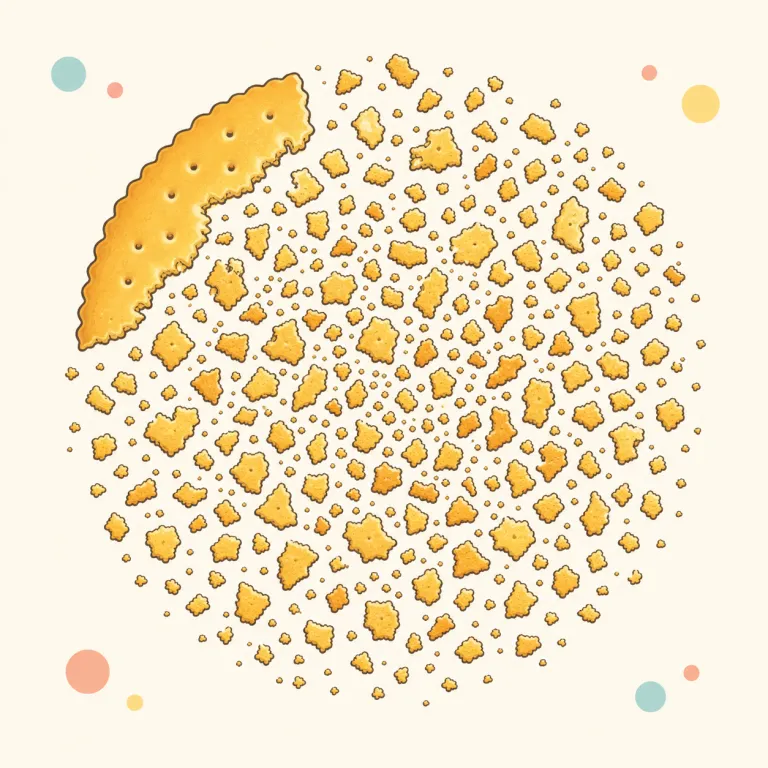
とても小さい
adjective 形容詞主に米国のくだけた英語で、物や人が非常に小さいことを表します。little bitty の形で強調して使われることが多く、「断片的でまとまりがない」という既存語義とは区別されます。
多くの小さな部分に分かれていて、全体として断片的でまとまりに欠ける様子を表す形容詞です。文章・番組・計画・作業など、細切れになった構成や進め方について使われます。
If something is bitty, it is made of many small pieces or parts. It can also describe speech, writing, or activity that feels broken up and not smooth or continuous. The word is informal.
bit を「小片」として知っていると覚えやすい語です。bitty は、小片のような部分に分かれて全体のつながりが弱い「細切れの、まとまりのない」状態を表します。a bitty report や a bitty programme のように、内容が断片的で流れをつかみにくい場面と結びつけると定着します。
Think of `bit` meaning a small piece. `Bitty` suggests many little bits, so the feeling is not just small, but broken into tiny pieces or details. It is useful for things that feel fragmented or too finely divided.
The report felt bitty and lacked a clear argument.
その報告書は断片的で、明確な論旨に欠けていた。
The documentary was interesting but rather bitty.
そのドキュメンタリーは興味深かったが、かなりまとまりに欠けていた。
The project became bitty because the work was divided into too many small tasks.
作業が細かく分けられすぎたため、そのプロジェクトは細切れになった。
文脈によって、次の意味でも使われます。
主に米国のくだけた英語で、物や人が非常に小さいことを表します。little bitty の形で強調して使われることが多く、「断片的でまとまりがない」という既存語義とは区別されます。
bitty は bit「小片」+ -y「…だらけの」から成り、bit は古英語 bita「かみ取った一片」、さらに bite に連なります。bite や bitesize と同根で、「ちょっとした」が元は「かんで取れるほど小さい」感覚だと見えてきます。
"Bitty" comes from "bit" plus "-y," a suffix that often means "full of" or "having the quality of." "Bit" goes back to Old English "bita," meaning a bitten piece, and it is related to "bite." The idea developed from something small enough to be bitten off, so "bitty" came to suggest something made of many small pieces.
この英単語をクイズで覚えよう