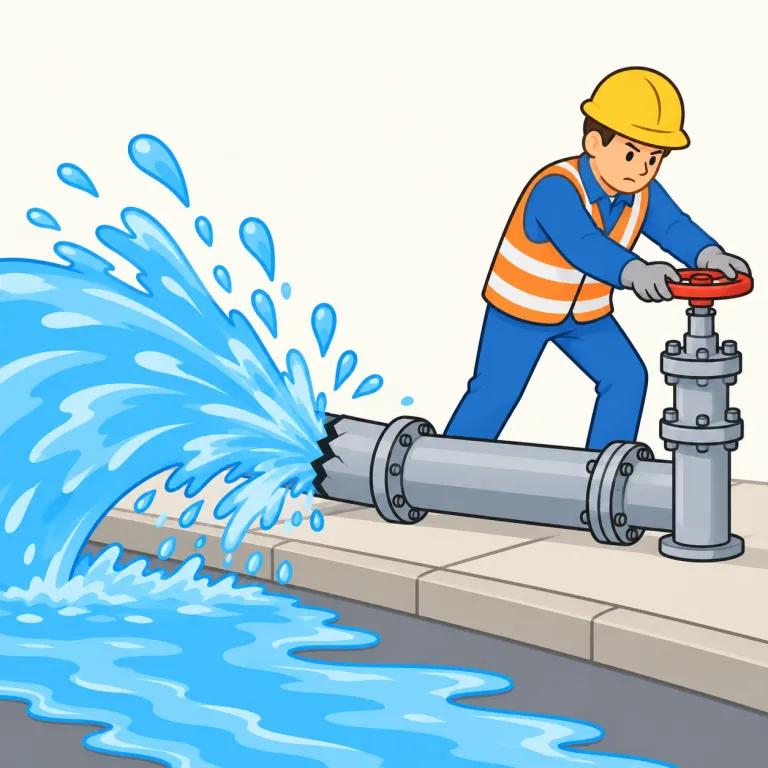
吐き出す
解説 Definition
spewing は動詞 spew の -ing 形で、「勢いよく吐き出している」「噴出している」という意味です。液体、煙、言葉、情報などが大量に外へ出る様子を表します。
Spewing is the -ing form of spew and describes liquid, gas, smoke, ash, words, or other material being forced out in a large or uncontrolled stream. It may function as a participle or as part of a continuous verb form.
覚え方のコツ Memory Tip
spewing は原形 spew に -ing を付けた形で、語末の w を重ねず、そのまま spew+ing となります。発音は /ˈspjuːɪŋ/ で、spew の「ピュー」に近い長母音が残ります。broken pipe spewing water、volcano spewing ash のように、中身が大量かつ勢いよく外へ噴き出し続ける場面で覚えましょう。
Spewing is formed regularly from spew by adding -ing: spew + ing, with no doubled consonant or dropped letter. The pronunciation keeps the long vowel sound of spew before the new syllable. Imagine a broken pipe spewing water, a volcano spewing ash, or a chimney spewing dark smoke. In each scene, something is not merely coming out; it is being discharged forcefully, continuously, and often uncontrollably. That strong outward-flow image also explains figurative combinations such as spewing insults or misinformation, where a person produces a large amount of harmful language.
例文
The broken pipe was spewing water into the street.
壊れたパイプが通りに水を吐き出していた。
The volcano kept spewing ash for several hours.
その火山は数時間にわたって灰を噴出し続けた。
The factory chimney was spewing dark smoke into the sky.
工場の煙突が空へ黒い煙を吐き出していた。
spewing の類義語・関連語
spewing の語源・成り立ち Etymology
古英語のspīwanに由来し、印欧祖語「液体を勢いよく出す」語根を継承しています。spew(語根)に現在分詞接尾辞-ingが付き、関連語のspitと同じく「中身を強く外へ押し出す」動作を指します。この激しい放出のイメージが、そのまま「吐き出す」という現代の意味に直結しています。
Spewing is the present participle and gerund form of spew, created with the productive English suffix -ing. Spew descends from Old English spīwan, a Germanic verb meaning to spit or vomit, and has cognates in other Germanic languages. Its long history centers on forcing material out of the mouth or another opening. Modern English broadens the image to pipes, volcanoes, chimneys, machines, and figurative sources that release words or information in large quantities.
同じレベルの語彙をもっと
外部辞書で調べる
この英単語をクイズで覚えよう