率直さ、正直さ
noun 名詞発言や態度が遠回しでなく、率直で正直である性質を指す。人の話し方や受け答えを評価する文脈で使われるが、日常英語ではstraightforwardnessやhonestyのほうが一般的である。
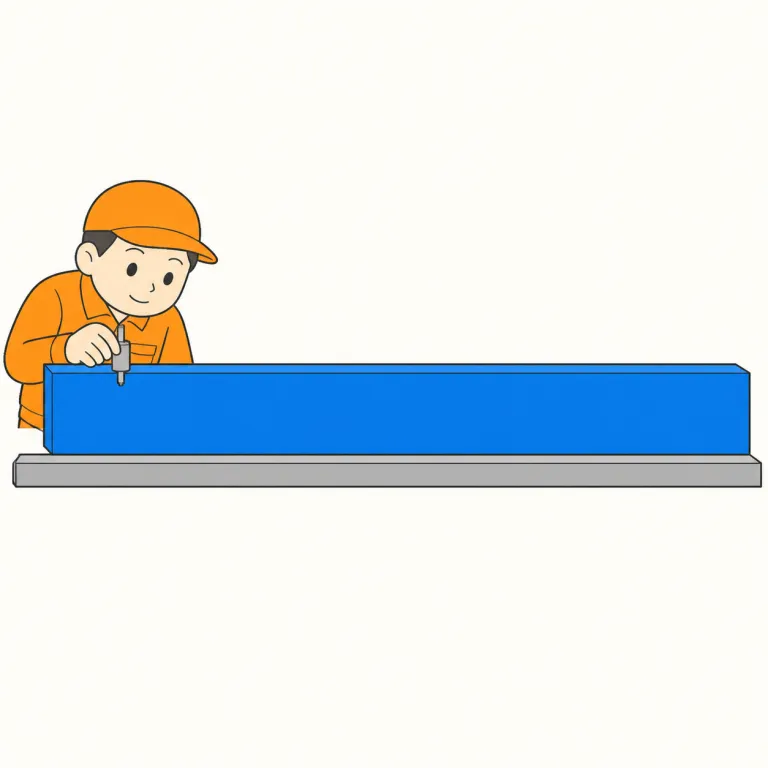
真直度;完全にまっすぐな性質。湾曲のなさ。
Straightness is the quality of being straight and not curved or bent. It can describe physical objects such as lines, roads, or pieces of wood. In technical contexts, it can also mean how closely something matches a perfectly straight line.
まず core は straight。「まっすぐな」という基本語が見えれば、straightness はそこに名詞化の -ness が付いただけで「まっすぐであること」と取れる。straight line, go straight, straighten を一緒に覚えると、形・方向・直す動きがつながって定着しやすい。工学では『曲がりや反りがどれだけないか』を見る語で、単なる見た目の“直線”ではなく、性質や度合いを表す名詞だと意識すると混同しにくい。
This is easy to build from `straight` + `-ness`, but remember its technical use. Think of phrases like `check straightness` or `measure straightness` in engineering, where people judge how close something is to a perfect line. It stays in memory better if you group it with similar quality words like `flatness` and `roundness`.
The straightness of the line was verified using measuring tools.
線の真直度は測定ツールを使用して検証された。
The straightness of the wall is important for stability.
壁の真直度は安定性にとって重要である。
Achieving perfect straightness requires precision equipment.
完全な真直度を達成するには精密装置が必要である。
文脈によって、次の意味でも使われます。
発言や態度が遠回しでなく、率直で正直である性質を指す。人の話し方や受け答えを評価する文脈で使われるが、日常英語ではstraightforwardnessやhonestyのほうが一般的である。
straightnessはstraight+-ness。straightは古英語streht(streccan「引っぱる」の過去分詞)に由来し、もとは「ぴんと張った」なので、そこから「真っ直ぐさ」という名詞になりました。関連語はstretch, straighten。
`Straightness` is built from `straight` and the noun-forming suffix `-ness`. `Straight` comes from Old English `streht`, the past participle of `streccan`, meaning to stretch. The original idea was something pulled tight or stretched out, which then developed into the sense of being direct and not bent. Related words include `stretch` and `straighten`.
この英単語をクイズで覚えよう