仮に
解説 Definition
supposing は suppose(仮定する、思う)の現在分詞・動名詞です。特に「仮に...だとしたら」という条件を示す接続表現として使われます。
Supposing introduces an imagined condition and means “if it were the case that” or “assuming that.” It is used before a clause when asking what would happen or suggesting that a plan depends on a particular situation.
覚え方のコツ Memory Tip
原形 suppose「仮定する」の語末の e を残したまま -ing を付けた現在分詞・動名詞で、発音は /səˈpoʊzɪŋ/ です。文頭や文中で supposing+節と置けば「仮に〜なら」。if よりも、想像上の条件を持ち出して相手に考えさせる響きがあります。
Supposing comes from suppose plus -ing; unlike verbs that drop a silent final e, suppose keeps its e before -ing because the base ends in -se. Pronounce it /səˈpoʊzɪŋ/. Although it is formally a participle, supposing often introduces a condition: supposing the train was canceled means “if the train were canceled.” Link it with suppose as an instruction to place an imagined fact on the table before considering its consequences. Compared with ordinary if, it can make the hypothetical setup more explicit.
例文
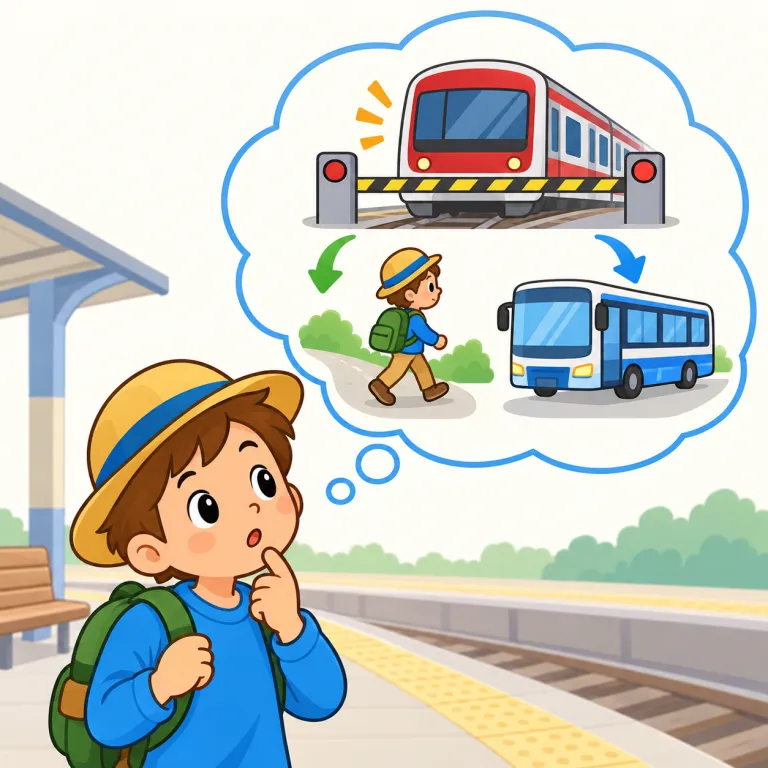
What would you do, supposing the train was canceled?
仮に電車が運休になったら、あなたはどうしますか。
We could walk there, supposing the weather stays clear.
仮に天気が晴れたままなら、そこまで歩いて行けます。
The plan might still work, supposing everyone arrives on time.
仮に全員が時間どおりに到着すれば、その計画はまだうまくいくかもしれません。
supposing の類義語・関連語
supposing の語源・成り立ち Etymology
ラテン語のsupponere(sub「下に」+ponere「置く」)に由来します。議論の前提を「土台に置く」ことで「仮定する」意味に転じました。語根ponを持つpositionやcomponentと関連し、「下に仮置きする」イメージで納得できます。
Suppose entered English through Old French from Latin supponere, literally “to put or place under.” The Latin verb combines sub-, “under,” and ponere, “to place.” Something mentally placed beneath an argument can serve as its assumption, which explains the later sense “to assume.” Supposing is formed from suppose with the participial ending -ing and developed a conditional use meaning “assuming that.”
同じレベルの語彙をもっと
外部辞書で調べる
この英単語をクイズで覚えよう