語形融合、形態的同形化
noun 名詞言語学で、本来異なる文法上の機能や屈折形が、同一の語形によって表される現象を指す。宗教や文化の融合ではなく、格・数・人称などの区別が語形上では一致する場合に用いる。
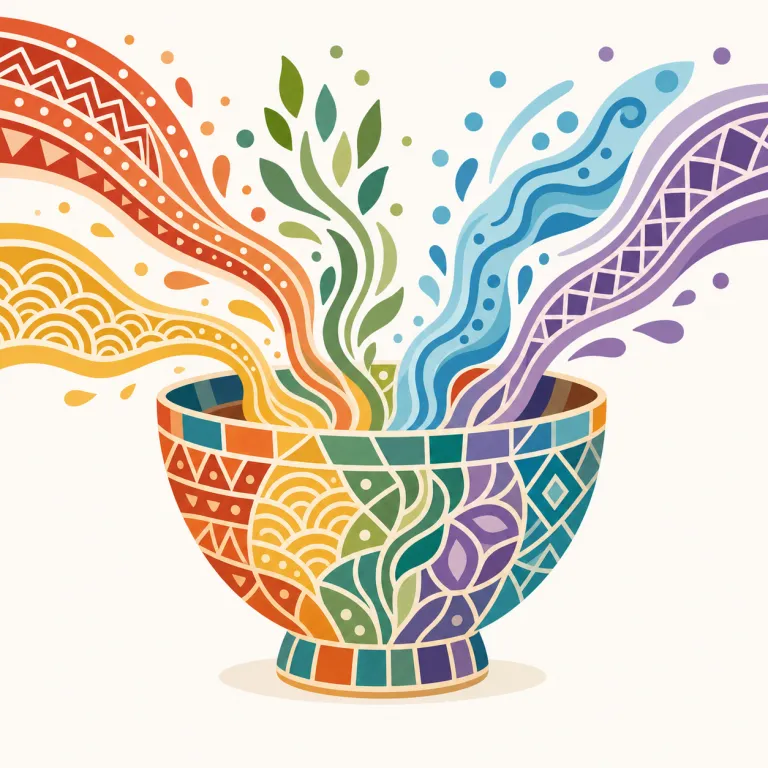
異なる宗教、哲学、または文化的要素を融合させ、新しい統一されたシステムを創造すること。相互に矛盾する考えや実践を調和させようとする試み。
Syncretism is the mixing of different beliefs, ideas, cultures, or traditions into one new system. It is often used in discussions of religion, philosophy, art, or social history. The word usually describes a gradual blending rather than a simple replacement.
`syn-` が付く語は `synchronize` や `synthesis` のように「別のものを一緒にする」感覚が多い。そこから syncretism は「宗教・思想・文化の要素を寄せ集める」ではなく、「異質なものを一つの体系としてまとめ上げる主義」と覚えると残りやすい。`religious syncretism` `cultural syncretism` の形で出やすい。`eclecticism` が“良い所取り”寄りなのに対し、こちらは矛盾する要素まで抱え込んで統合するニュアンス。語尾 `-ism` は“主義・思想”の名詞という印でもある。
`syn-` often gives the idea of bringing things together, as in `synthesis` or `synchronize`. Add `-ism`, and you get a noun for a system or way of thinking. It often appears in phrases like `religious syncretism` or `cultural syncretism`, where different traditions are combined into one whole.
The religion showed syncretism by blending Christian and indigenous beliefs.
その宗教には、キリスト教と先住民の信仰を融合させた混合主義が見られました
Cultural syncretism created a unique form of music in the region.
文化的混合主義はその地域に独特の音楽形式を生み出しました
Historical syncretism allowed different traditions to coexist peacefully.
歴史的混合主義は異なる伝統が平和に共存することを可能にしました
文脈によって、次の意味でも使われます。
言語学で、本来異なる文法上の機能や屈折形が、同一の語形によって表される現象を指す。宗教や文化の融合ではなく、格・数・人称などの区別が語形上では一致する場合に用いる。
syncretism はギリシャ語 synkretismos に由来し、syn-(共に)+ Kret-(クレタ人)が核です。synchronize や synthesis と同じ syn- を持ち、もとは「対立する者どうしの結束」。だから今の意味も、異なる教義や立場を一つに寄せる発想だと分かります。
Syncretism comes from Greek synkretismos, built from syn- meaning "together" and a word linked to the Cretans. It first referred to people joining together despite past conflict. From that idea, it later came to mean the combining of different beliefs, systems, or traditions into one.
この英単語をクイズで覚えよう