えいたんごクイズ

tectonics

/tɛkˈtɑːnɪks/

意味一覧 (3件)

noun

構造地質学こうぞうちしつがく

解説 Definition

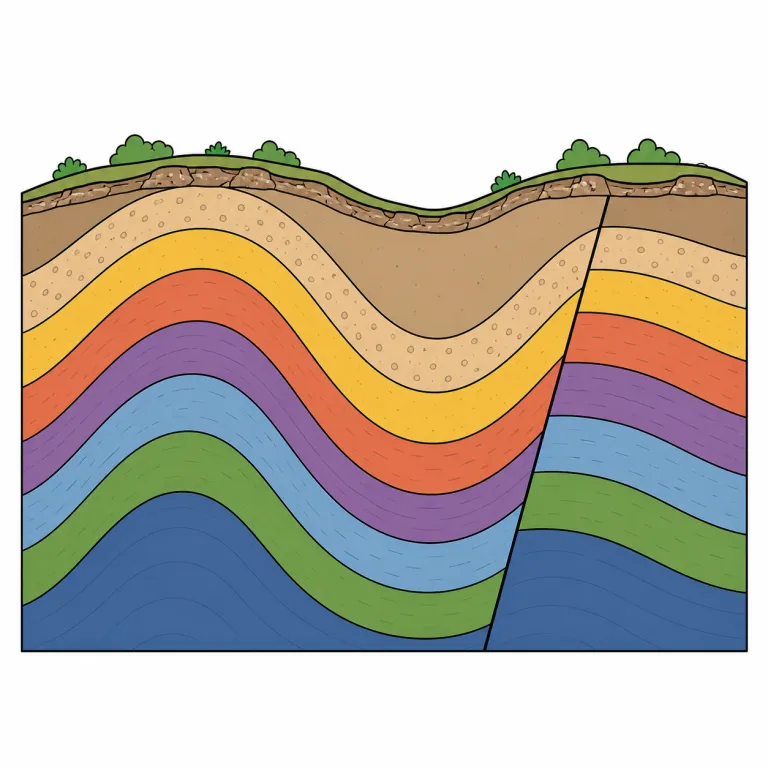
テクトニクスとは、地球の岩盤の運動と構造を研究する地質学の一分野です。プレートテクトニクスは、地殻を構成する大陸プレートや海洋プレートの移動と相互作用を説明します。地震や火山活動、山脈形成などの現象を理解するために重要な学問です。

Tectonics is the study of the structure of the Earth's crust and the way large parts of it move and change. It is used in geology, especially when talking about plates, mountains, earthquakes, and the formation of land. This is mainly a technical science word.

覚え方のコツ Memory Tip

tectonics は「構造地質学」という学問分野名として、地球の岩盤や地殻の構造と運動を研究する語だと覚えます。語尾 -ics は physics, linguistics, economics のように「学問・体系」を表しやすい形です。plate tectonics という頻出表現も手がかりにし、地層、断層、プレートの動き、山脈形成、地震や火山の仕組みを扱う専門領域として整理しましょう。

Tectonics is a field of geology that studies the structure and movement of Earth’s crust and rocks. The ending -ics often names a field of study, as in physics, linguistics, and economics. The phrase plate tectonics is the strongest memory hook, with plates, faults, earthquakes, volcanoes, and mountain building.

例文

The engineer studied tectonics to design earthquake-resistant buildings.

エンジニアは地震に耐える建物を設計するためにテクトニクスを研究した。

Tectonics explains how continents move and collide.

テクトニクスは大陸がどのように移動して衝突するかを説明しています。

Understanding plate tectonics is crucial for architects in seismic zones.

地震帯の建築家にとってプレートテクトニクスを理解することは重要です。

noun

プレートテクトニクス、地殻変動ちかくへんどう

(意味 2)

解説 Definition

地球の表面を覆うプレートが動き、ぶつかり、沈み込む仕組みや、それによって起こる地殻の変化を指します。地震、火山、山脈の形成などを説明する地学の文脈でよく使われます。

Tectonics refers to the movement of the large plates that cover the Earth's surface and the changes this movement causes in the crust. It is often used in geology when talking about earthquakes, volcanoes, and the formation of mountains. In many cases, the word appears in the phrase "plate tectonics," which explains how the Earth's surface is built and reshaped over time.

覚え方のコツ Memory Tip

tectonics はまず `plate tectonics` の形で覚えるのが実用的です。`tectonic plates` は地球表面を作る巨大な岩盤で、その movement が earthquakes や volcanoes に結びつきます。語尾 `-ics` は physics や economics と同じく「体系・分野」を示しやすい形です。ただしここでは研究分野名そのものより、プレートの動きや地殻変動という現象を指す基本義として押さえます。

It is most practical to learn tectonics first in the phrase "plate tectonics." Think of tectonic plates as huge pieces of rock on the Earth's surface, and their movement causes earthquakes and volcanoes. The ending "-ics," like in "physics" or "economics," often points to a system or field of study. Here, focus on the basic idea of plate movement and changes in the Earth's crust.

例文

Plate tectonics helps explain why earthquakes and volcanoes happen in certain places.

プレートテクトニクスは、なぜ特定の場所で地震や火山活動が起こるのかを説明するのに役立ちます。

In geology class, we studied tectonics to understand how mountain ranges are formed.

地学の授業で、山脈がどのように形成されるのかを理解するために地殻変動を学びました。

Modern research in tectonics has changed the way scientists view the Earth's surface.

テクトニクスの現代研究は、科学者たちの地表の見方を変えてきました。

noun

板構造学ばんこうぞうがく

(意味 3)

解説 Definition

地球の地殻やプレートの構造と運動を研究する地球科学の分野。地震や火山活動などの現象を説明する。

例文

Tectonics explains how the Earth's crust moves and shifts.

板構造学は地球の地殻がどのように動くかを説明している。

The study of tectonics helps us understand earthquakes.

板構造学の研究は地震を理解するのに役立つ。

Plate tectonics is a fundamental concept in geology.

板構造学は地質学の基本的な概念です。

tectonics の語源・成り立ち Etymology

ギリシャ語 tektonikos「建築・大工の」が語源で、語根 tekton は「作る人・建てる人」、-ics は「学問・体系」を表す。地球の地殻がどう組み立てられているかを扱う学問なので、「構造地質学」という意味になる。関連語は architect, tectonic。

Tectonics comes from Greek tektonikos, meaning "of building or carpentry," from tekton, "builder" or "carpenter." In English, it came to refer to the structure and building-up of the Earth's crust. The same root appears in tectonic and is also related to architect.

外部辞書で調べる

この単語をシェア

この単語を英単語クイズで覚えよう