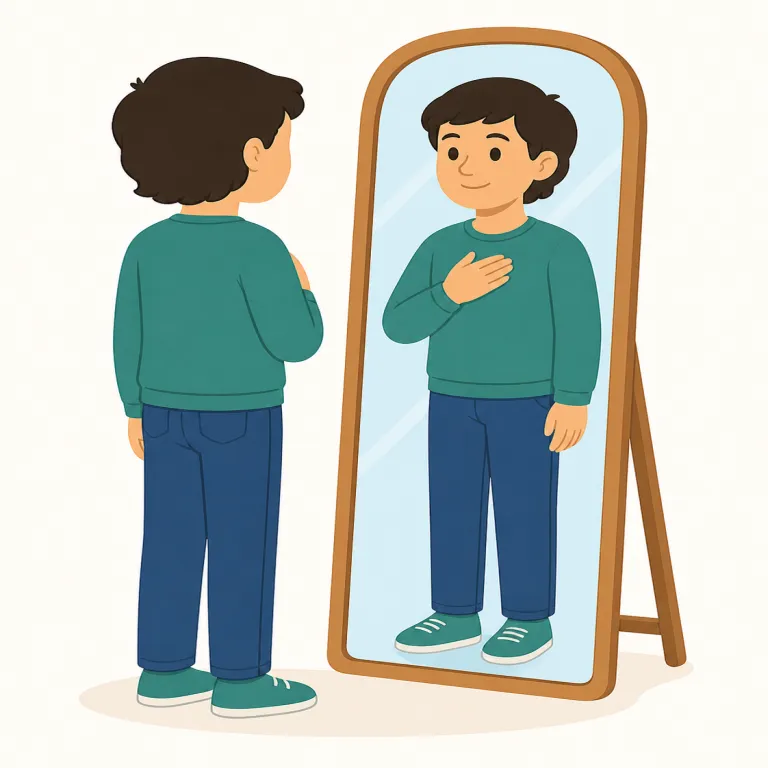
あなた自身
解説 Definition
古い英語で二人称単数の代名詞として使われます。現代英語の「yourself」に相当し、あなた自身を意味します。中世の詩や宗教的な文脈で見られることが多い語です。
Thyself is an old-fashioned word meaning "yourself." It appears mainly in old literature, religious texts, and poetic language. In modern everyday English, people almost always use "yourself" instead.
覚え方のコツ Memory Tip
まずは現代語の yourself を土台にすると覚えやすいです。語尾の self は同じで、「自分自身」を指す感覚は変わりません。違うのは your が古風な thy になっている点だけ、と押さえると整理できます。実際、myself / himself の並びの“古い版”として見ると記憶に残ります。日常会話ではほぼ出ず、聖書・祈り・詩・古風な台詞で現れやすい語です。特に know thyself のような定型で見かけたら、「古い英語の yourself」だと結び付けると忘れにくいです。
Build it from the modern word `yourself`. The `self` part stays the same; only `your` changes to old-fashioned `thy`. If you meet `know thyself`, treat it as an old literary version of `yourself`.
例文
Know thyself, as the ancient saying goes.
古いことわざにあるように、汝自身を知りなさい。
Thou must forgive thyself for past mistakes.
過去に過ちを犯した自分を許さねばならない。
Be true to thyself in all thy endeavors.
すべての取り組みにおいて、自らに忠実でありなさい。
thyself の類義語・関連語
類義語
紛らわしい語
thyself の語源・成り立ち Etymology
thyself は古英語系で、thy は古英語 thin「あなたの」、self は self「自身」。myself や himself と同じ self を含み、語全体で「あなたそのもの」を強く指す。二語を直結した形なので、再帰や強調の意味がそのまま見える。
Thyself is an old English form made from thy and self. Thy comes from Old English thin, meaning "your," and self meant "the same person." Like myself and himself, it clearly shows the idea of pointing back to the person or strongly emphasizing that person.
同じレベルの英単語をもっと
外部辞書で調べる
この単語を英単語クイズで覚えよう