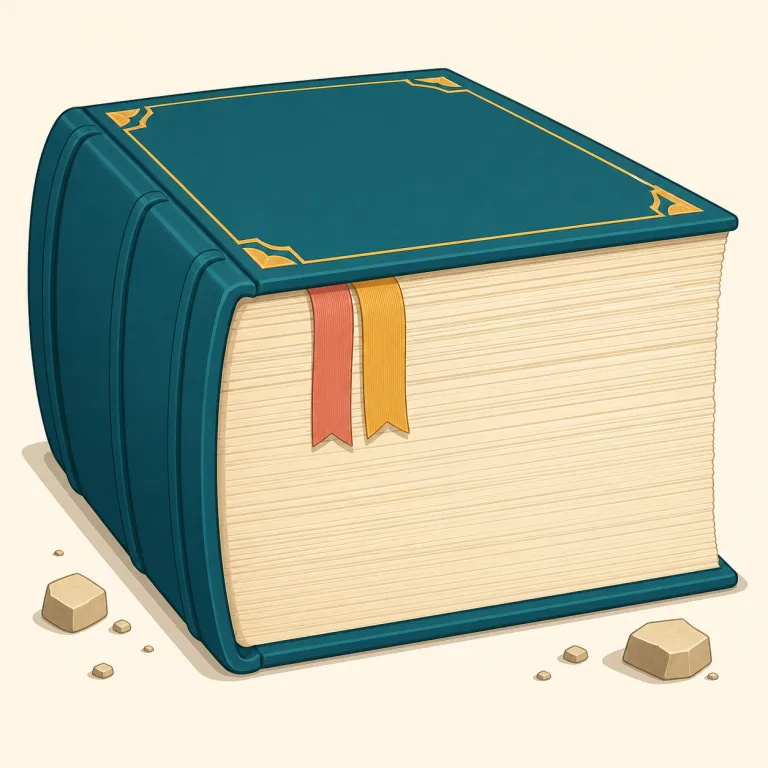
大部の本
解説 Definition
学術書や古書など、内容が重厚で非常に厚く、しばしば大型の本を指す語。
A very large, thick book, often containing serious or scholarly material. The word can also suggest that the book is old or physically heavy.
覚え方のコツ Memory Tip
tome はギリシャ語の tomos(切り分けられた部分・巻)に由来し、現代では特に大きく重い本を表す。a weighty tome(重厚な大著)、an ancient tome(古い大部の本)が典型。片手では持ちにくい、分厚い歴史書を机に置く場面で覚えるとよい。
Picture a thick history book that is too heavy to hold comfortably in one hand. Common combinations include “a weighty tome” and “an ancient tome.”
例文
He pulled a dusty tome from the shelf.
彼は棚から、ほこりをかぶった大部の本を取り出した。
This heavy tome covers the history of Europe.
この重い大部の本はヨーロッパの歴史を扱っている。
She spent months reading the ancient tome.
彼女はその古い大部の本を読むのに何か月も費やした。
tome の語源・成り立ち Etymology
ギリシャ語 tómos(切片、巻)が語源で、動詞 témnein(切る)に由来する。パピルスの巻物を切り分けた一巻が原義で、転じて大著・分冊を指すようになった。関連語:atom(切れないもの)、anatomy(切り開くこと→解剖学)。
The word came via Latin from Greek “tómos,” meaning a cut section or volume, from “témnein,” meaning “to cut.”
同じレベルの語彙をもっと
外部辞書で調べる
この英単語をクイズで覚えよう