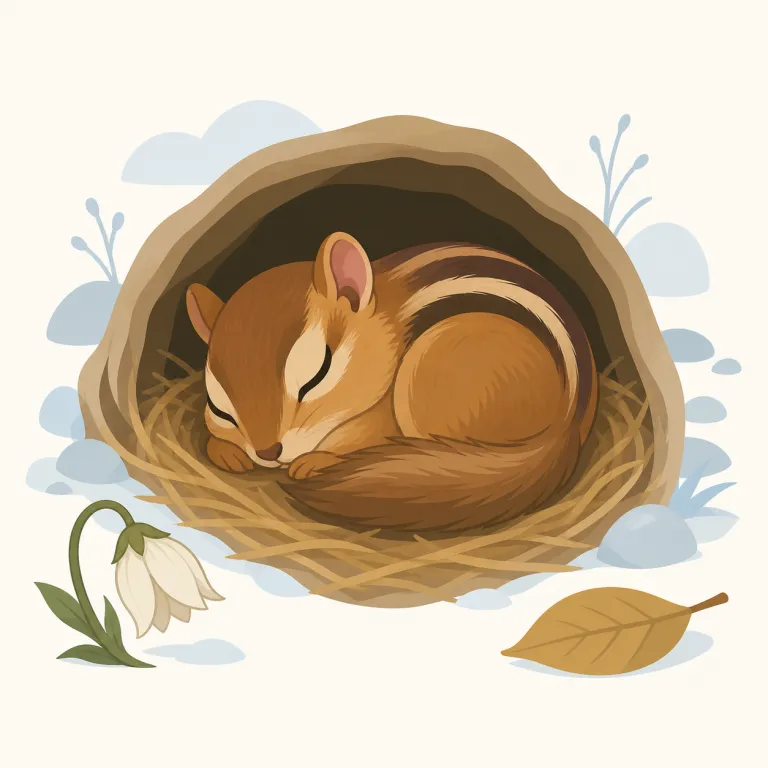
無気力状態
解説 Definition
心身の活動が極度に低下した無気力・無感覚な状態。冬眠中の動物にも使われる。
Torpor is a state of very low physical or mental activity, with little energy or interest. It is used in formal writing for people who feel dull, inactive, or half-asleep. In biology, it can also mean a natural state in which an animal's body becomes less active for a time.
覚え方のコツ Memory Tip
torpor は「ただ tired なだけ」ではなく、体も心も反応が鈍って止まりかけた状態を指す語。セットで torpid(無気力な)も覚えると定着しやすいです。眠い・だるい程度の sleepy, fatigue より重く、冬眠や極度の消耗で almost inactive になった場面を思い浮かべるとよいでしょう。動物の冬眠文脈で使われやすく、a state of torpor の形でもよく出ます。「活力が落ちた静止状態」という芯で押さえるのがコツです。
Learn it together with `torpid`. Both words have the same heavy, slow feeling in their sound. Picture an animal in winter, barely moving, and remember the common pattern `a state of torpor`.
例文
After the heavy meal, a sense of torpor settled over the entire group.
たっぷり食事を取った後、一同は無気力感に包まれた。
The bear entered a state of torpor during the coldest months of winter.
その熊は冬の最も寒い時期に休眠状態に入った。
The tropical heat induced a pleasant torpor that made everyone feel drowsy.
熱帯の暑さが心地よい倦怠感を引き起こし、みんなを眠くさせた。
torpor の類義語・関連語
類義語
派生語
torpor の語源・成り立ち Etymology
torporはラテン語torpere「しびれて動けない」に由来し、原感覚は熱意がないより先に「感覚が鈍っている」です。だから無気力状態とは、心が怠けるというより身も心も麻痺したような静止を表します。torpidやtorpedoも同じ根です。
Torpor comes from Latin torpor, from torpere, meaning "to be numb" or "to be stiff." Its earliest sense was not just lack of energy, but a state like physical or mental numbness. From there, it came to mean dullness, inactivity, or sluggishness. Related words include torpid and torpedo.
同じレベルの語彙をもっと
外部辞書で調べる
この英単語をクイズで覚えよう