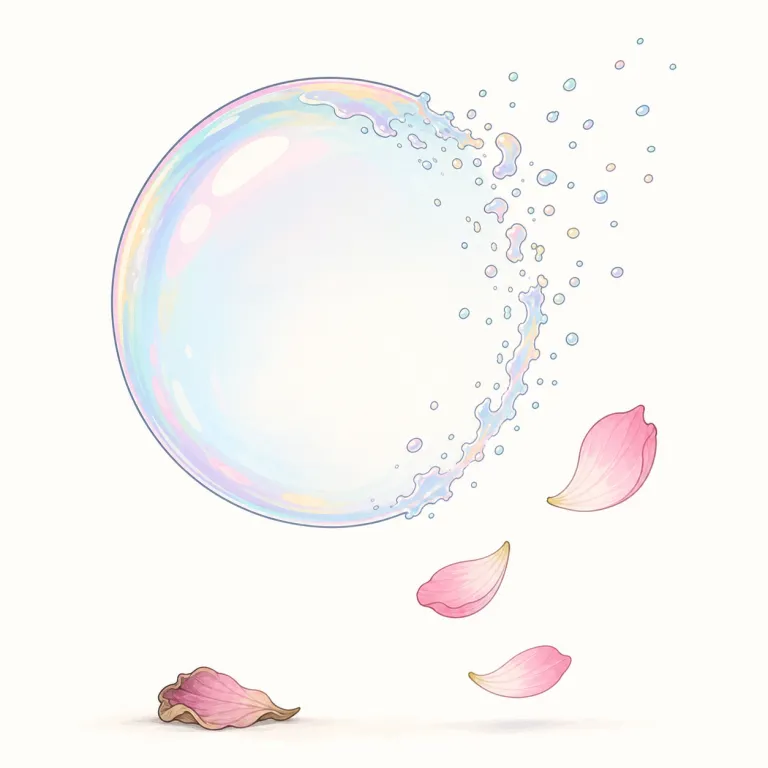
はかなさ
解説 Definition
はかなさ、無常性。時間とともに消滅し続ける性質や状態。すべての事物が永遠ではなく変わるという性質。
Transience is the quality of lasting only a short time and then passing away. It is often used when talking about beauty, life, emotions, or temporary experiences. The word has a thoughtful or literary tone.
覚え方のコツ Memory Tip
trans- は「向こうへ」、-ience は状態を表す名詞形と見て、transience は「何かがそこに留まらず、向こうへ過ぎていく性質」と捉えると覚えやすいです。transition が「移り変わり」、transit が「通過」、transient が「つかの間の」という仲間だと並べると定着します。単なる temporary よりも、beauty, youth, life, fashion などが時とともに薄れていくような、少し哲学的でしみじみした『はかなさ・無常』の響きがある語だと押さえると使い分けしやすいです。
Connect `transience` with the family `transit`, `transition`, and `transient`, all carrying the idea of passing across or not staying. That makes the word feel like something moving away instead of lasting. It is often used with ideas like beauty, youth, or life, which gives it a reflective tone.
例文
The transience of life taught him to appreciate each moment.
人生のはかなさを知り、彼は一瞬一瞬を大切にするようになった。
Cherry blossoms symbolize the transience of beauty.
桜の花は美しさのはかなさの象徴である。
He reflected on the transience of youth and time.
彼は青春のはかなさと時の移ろいについて深く考えた。
transience の類義語・関連語
transience の語源・成り立ち Etymology
transience はラテン語 transire(通り過ぎる)に由来し、trans-「越えて」+ ire「行く」から成ります。何かがさっと通過して留まらないイメージから、「はかなさ・つかの間であること」の意味になりました。関連語は transit, transition。
Transience comes from Latin transire, meaning "to go across" or "pass over." It is made from trans- "across, beyond" and ire "to go." Because the word suggests something passing by instead of staying, it developed the sense of shortness and impermanence; related words include transit and transition.
同じレベルの語彙をもっと
外部辞書で調べる
この英単語をクイズで覚えよう