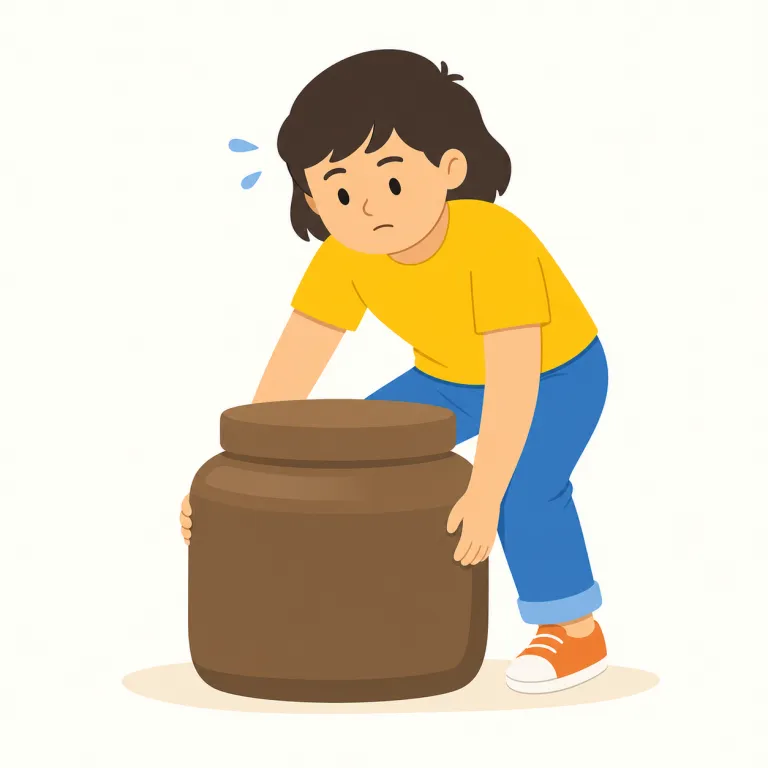
unable
unable は英検準2級・TOEIC 730・TOEFL 60・IELTS 5.5レベルの英単語で、「できない」という意味があります。発音記号は /ʌnˈeɪbəl/ です。
できない
解説 Definition
何かをすることができない、不可能であるという意味の形容詞です。能力や状況の制約によって、特定の行動や達成が不可能な状態を表します。「be unable to +動詞の原形」の形でよく使われます。
Unable means not having the power, skill, time, or chance to do something. It is commonly used in formal and everyday English to explain that something cannot be done. It is often followed by 'to' and a verb.
覚え方のコツ Memory Tip
able「できる」が見えていれば、unable は先頭に un- が付いて意味が反転した形だと捉えると覚えやすいです。実際には単独より be unable to do を一まとまりで入れるのがコツで、can't より少し硬く、気分より「能力・事情のためできない」という客観的な響きがあります。unable to attend / answer / access のように予定・連絡・利用の文脈でよく出ます。なお unable は人を主語にしやすく、impossible は物事を主語にしやすい違いも一緒に押さえると混同しにくいです。
If you know `able`, then `unable` is easy: `un-` turns the meaning negative. The most useful chunk is `be unable to do`, which is more formal than `can't`. It often appears in messages like `unable to attend`, `unable to answer`, or `unable to access`.
例文
I am unable to go today.
私は今日行けません。
She is unable to read this.
彼女はこれを読めません。
We were unable to open it.
私たちはそれを開けられませんでした。
えいたんごクイズでの正答率
この語をはじめて出題された 36人 のうち 32人 が正解しました(89%)。
えいたんごクイズの回答から集計した独自データです。1人につき最初に出題されたときの1回だけを数えており、復習や2回目以降の回答、「わからない」と時間切れは含みません。 集計時点は 2026年9月19日 です。
unable の類義語・関連語
unable の語源・成り立ち Etymology
ラテン語 habilis(扱いやすい)から古フランス語経由で英語 able が生まれ、否定接頭辞 un- が付いた語。un-(不)+ able(できる)という明快な構造。関連語: ability(能力)、enable(可能にする)。「力がある」状態を否定して「できない」を表す。
Unable is built from the English prefix un-, meaning "not," and able, which came through Old French from Latin habilis, meaning "handy" or "fit." The older idea was being capable or easy to handle. Adding un- simply reversed that sense, giving the meaning of not being capable. Related words include ability and enable.
同じレベルの語彙をもっと
英検準2級の一覧へ →外部辞書で調べる
この英単語をクイズで覚えよう