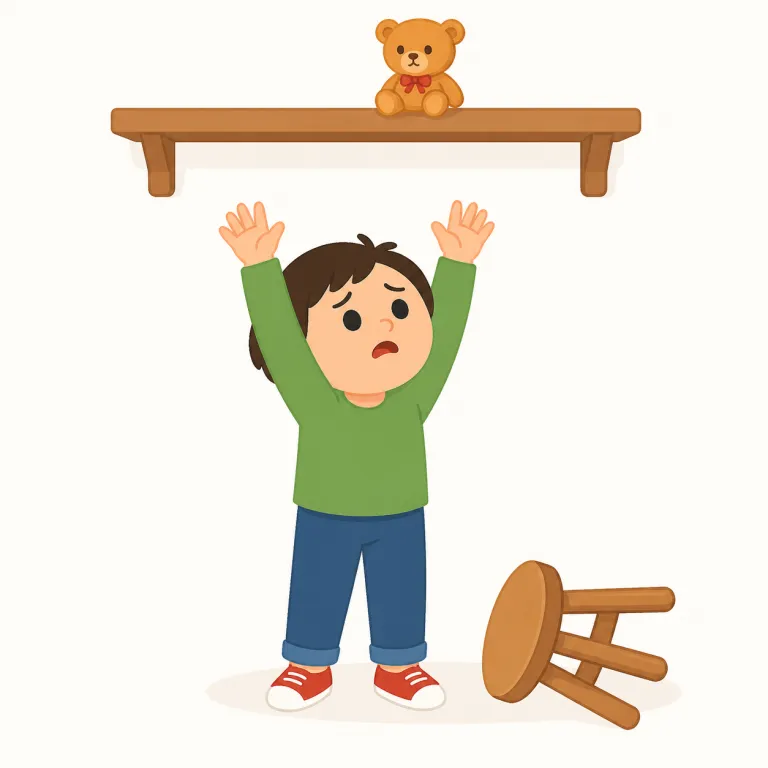
抑えられない、我を忘れた
adjective 形容詞笑いや怒りなどの強い感情を自分で制御できない状態を表します。helpless with laughter や helpless laughter のように使い、助けが必要な状態ではなく感情に圧倒された様子を示します。
自分ではどうすることもできない状態を指す形容詞で、助けを必要とするが自力では何もできない状況を表します。こうした無力感や弱さを強調する表現です。
Helpless means unable to do anything to improve or control a situation. It can describe someone who needs help because they are too weak, confused, or powerless. The word often shows a strong feeling of dependence on others.
help が「助ける」、-less が「〜がない」なので、まず『help がない状態』とつかむと覚えやすいです。helpful(助けになる)と語尾だけで向きが逆になる対比も強い記憶フックになります。人が helpless なら『自力では動けず助けが要る』感じで、a helpless child / feel helpless のように、弱さ・無力感を表す場面でよく出ます。hopeless は『望みがない』で、helpless は『自分ではどうにもできない』に焦点がある点を分けておくと混同しにくいです。
Break it into `help` + `-less`. If someone is `helpless`, help is missing, so they cannot manage by themselves. Compare it with `helpful`, which changes direction completely with just the ending.
She felt helpless because she could not help her friend.
彼女は友人を助けられず、無力感を覚えました。
The small child was helpless without an adult nearby.
近くに大人がいなかったため、その幼い子どもは何もできませんでした。
He was helpless against the powerful storm.
彼は激しい嵐の前では無力でした。
文脈によって、次の意味でも使われます。
笑いや怒りなどの強い感情を自分で制御できない状態を表します。helpless with laughter や helpless laughter のように使い、助けが必要な状態ではなく感情に圧倒された様子を示します。
helpless は古英語 help「助ける」に、接尾辞 -less「〜がない」が付いた語です。つまり「助けがない」がそのまま「無力な」になり、helpful や hopeless と比べると、語尾で意味が反転する感覚がつかめます。
Helpless is built from help and the suffix -less, meaning "without." So its original sense was literally "without help." From that, it developed into the idea of being unable to protect or manage oneself. Related forms like helpful and hopeless show how the ending changes the meaning.
この英単語をクイズで覚えよう