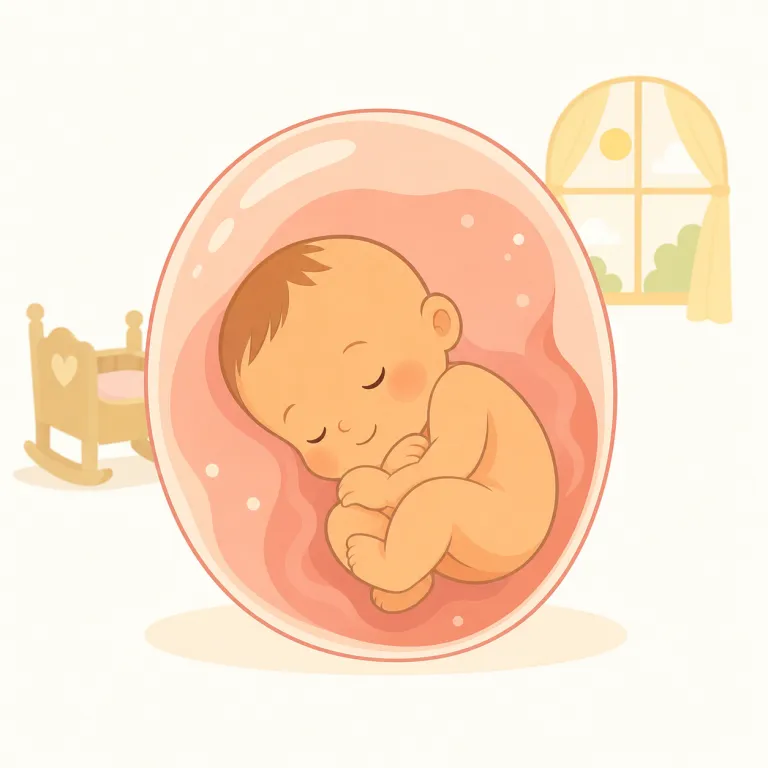
unborn
まだ生まれていない
解説 Definition
産まれていない、まだ母親の体内にいる状態を指す形容詞です。胎児や、将来この世に出てくるはずの存在について用いられます。出生するまでは手を差し伸べられないこともあり、その様子に配慮する場面で使われます。
Unborn means not yet born, especially a baby still developing inside its mother's body. It is most often used in medical, legal, or social discussions about pregnancy.
覚え方のコツ Memory Tip
un- が「否定」、born が「生まれた」なので、born を知っていれば「まだ生まれていない」と自然に組み立てられます。unknown, unfair などの un- と同じ感覚で覚えると定着しやすいです。よくある形は unborn baby, unborn child で、単に young なのではなく「出生前」に焦点がある語。newborn は「生まれたばかり」で意味が正反対なので、unborn ↔ newborn をセットで置くと混同しにくくなります。future child のような言い換えよりも、医学・倫理・家族の文脈でやや直接的に使われる語だと押さえると記憶に残ります。
Break it into `un-` + `born`. If `born` means someone has already come into the world, `unborn` means that has not happened yet. Remember the contrast pair `unborn` and `newborn` because they point to opposite stages.
例文
The doctor monitored the health of the unborn child throughout the pregnancy.
医師は妊娠中ずっと、まだ生まれていない子どもの健康状態を観察した。
We have a responsibility to protect the environment for unborn generations.
私たちはこれから生まれてくる世代のために環境を守る責任がある。
The parents chose a name for their unborn daughter.
その両親は、まだ生まれていない娘の名前を決めた。
unborn の類義語・関連語
unborn の語源・成り立ち Etymology
unborn は古英語系の否定接頭辞 un- と、bear「運ぶ・産む」の過去分詞 born から成ります。直訳すると「まだ外へ運び出されていない」で、そこから「まだ生まれていない」という意味になります。関連語は birth, burden。
Unborn is made from the old negative prefix un- and born, the past participle of bear in its older sense "to carry" or "to give birth." The literal idea was "not yet brought forth." From that, it came to mean someone or something not yet born. Related English words include birth and burden.
同じレベルの語彙をもっと
外部辞書で調べる
この英単語をクイズで覚えよう