取り消す、言わなかったことにする
verb 動詞動詞unsayの過去形・過去分詞として、いったん口にした発言を撤回する、または言わなかった状態に戻すことを表します。特にcannot be unsaidの形で、一度口にした言葉は取り消せず、その影響も消せないことを表します。
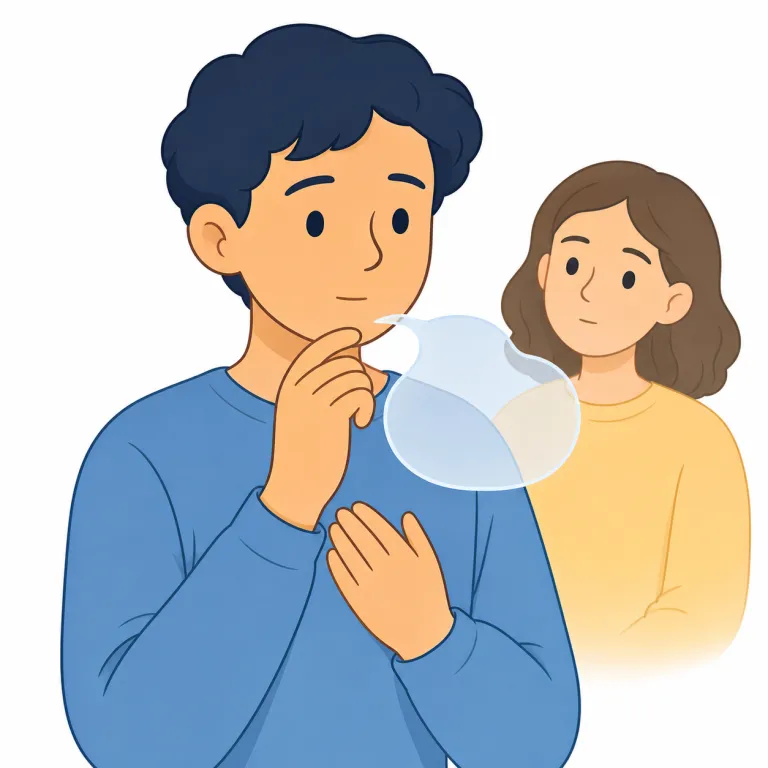
言葉で表現されていないが相手に伝わる感情や意見のこと。意図的に口に出さないでおく、または言い忘れた言葉を指す。
If something is unsaid, it is understood or felt but not spoken directly. People use this word for thoughts, feelings, rules, or meanings that remain unexpressed. It often suggests that silence itself has meaning.
unsaid は un-「否定」+ said「言われた」で、まず not said と分解すると覚えやすい語です。軸は『言葉として口に出されていない内容』。the unsaid words, an unsaid criticism のように、沈黙の中に残る感情・批判・本音と相性がいいです。silent が単に静かな状態を表すのに対し、unsaid は『言える内容があるのに、言葉にはされていない』という点を意識すると切り分けやすくなります。
Break it into `un-` + `said`: literally "not said." Use it for things that are present in a situation even without words, like `an unsaid rule` or `unsaid tension`. Unlike `silent`, `unsaid` often suggests something could have been spoken, but was left unspoken.
There were many unsaid words between them that hung in the air.
彼らの間には、口にされない多くの言葉が漂っていた。
The unsaid criticism in her eyes told him everything he needed to know.
彼女の目に浮かぶ無言の非難から、彼は知るべきことをすべて悟りました。
Sometimes the unsaid emotions are the most powerful.
時には、言葉にされていない感情が最も力強い。
文脈によって、次の意味でも使われます。
動詞unsayの過去形・過去分詞として、いったん口にした発言を撤回する、または言わなかった状態に戻すことを表します。特にcannot be unsaidの形で、一度口にした言葉は取り消せず、その影響も消せないことを表します。
say は古英語 secgan「言う・語る」に由来し、said はその過去分詞です。unsaid は否定接頭辞 un- と said の組み合わせなので、文字どおり『言われていない』という意味になります。語源の形からも、沈黙そのものではなく、言葉にされなかった内容を指す感覚が見えてきます。
This word is built from the English prefix un- and said, the past form of say. Say comes from Old English secgan, meaning "to speak" or "tell." Because of the un-, unsaid came to mean not spoken, often with the feeling that something was deliberately left unspoken. Related words include unsay and saying.
この英単語をクイズで覚えよう