経験の浅い、未熟な
adjective 形容詞仕事や活動の経験が乏しく、必要な判断力や技量がまだ十分に身についていない人を表します。unseasoned recruitやunseasoned politicianのように名詞の前で使われることが多い語です。
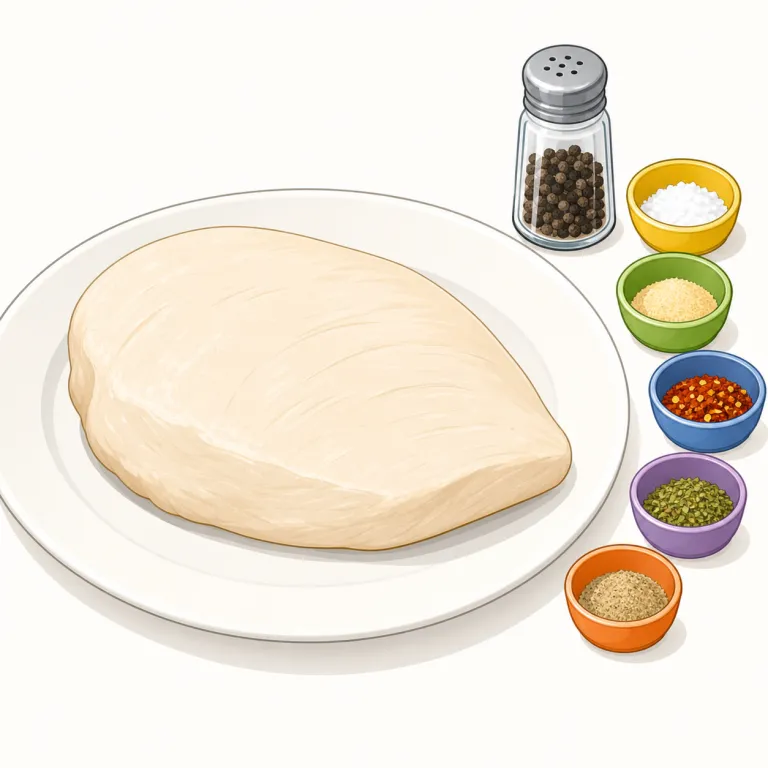
調味料が加えられていない状態。塩や香辛料などの味付けがされていない食べ物を指します。
Unseasoned means not flavored with salt, spices, herbs, or other seasonings. It is commonly used for food that is plain or prepared before extra flavor is added. In some contexts, it can also mean inexperienced, but the food meaning is very common.
season を知っていれば覚えやすい語です。料理の season は「季節」だけでなく「味をつける」でもあり、seasoned chicken や seasoned soup なら「味付けされた〜」。そこに否定の un- が付くので、unseasoned はそのまま「まだ味付けしていない」。塩・こしょう・香辛料を入れる前の肉やスープを場面ごと覚えると定着します。plain は「単調・あっさり」でも使えますが、unseasoned は特に“調味していない”点が中心です。なお seasoned には「経験豊富な」もあるので文脈に注意すると混同しにくいです。
Start with `seasoned` and the prefix `un-`. In cooking, `season` is not only about time of year; it also means adding salt, pepper, or spices. So `unseasoned meat` or `unseasoned soup` is easy to picture: the food before any flavor is added.
The unseasoned rice was bland.
その味付けされていないご飯は味気ないものでした。
The unseasoned meat lacked flavor.
その味付けされていない肉は風味に欠けていました。
He preferred unseasoned vegetables.
彼は味付けされていない野菜を好みました。
文脈によって、次の意味でも使われます。
仕事や活動の経験が乏しく、必要な判断力や技量がまだ十分に身についていない人を表します。unseasoned recruitやunseasoned politicianのように名詞の前で使われることが多い語です。
木材が使用前の乾燥処理を十分に受けておらず、水分を多く含んでいることを表します。主にunseasoned woodやunseasoned timberの形で使われ、乾燥済みのseasoned woodと対比されます。
古英語 un-(否定接頭辞)+ seasoned。seasonはラテン語 satio(種まき)→古フランス語 seson(季節)から。料理で「季節の調味料を加える」意が生まれ、否定形で「味付けされていない」に。関連語: season(季節・味付けする)、seasonal(季節の)。
Unseasoned combines un-, meaning "not," with seasoned. Season came through Old French from Latin roots connected with sowing and the proper time of year, and from there it developed the sense of a suitable time or condition. In cooking, season came to mean adding flavoring, so unseasoned became "not flavored" and later also "not made mature by experience."
この英単語をクイズで覚えよう