up
up は英検7級レベルの英単語で、「上へ、起きて、増えて、終わって」という意味があります。発音記号は /ʌp/ です。
意味一覧 (4件)
上へ
解説 Definition
基本的には「上へ」「上の方に」を表す非常に基本的な語。位置や移動だけでなく、価格・数量の上昇、活動の活発化、完全に終えるというニュアンスでも使われる。動詞と結び付く句動詞でも頻出し、意味が大きく広がる重要語である。
Up means toward a higher place or position. It is used when something moves higher, points higher, or is located above something else. It can also describe an increase, such as in level, speed, or amount.
覚え方のコツ Memory Tip
「up」はまず“位置が上がる”を中心イメージに置くと意味の広がりを整理しやすい語。そこから、価格・数字が上がる(go up)、起きる・活発になる(wake up, cheer up)、最後まで使い切る・食べ切る(use up, eat up)へ自然につながる。句動詞では単なる「上」より、「水準が上がる」「活動状態になる」「完全に終える」の3方向で覚えると強い。down と対で見て、Time is up のような定番表現も一緒に押さえると定着しやすい。
Think of `up` as the basic image of movement to a higher level. From that, many common phrases become easier: `go up` for numbers, `wake up` for becoming active, and `use up` for finishing completely. It also pairs naturally with `down`, so learning them as opposites helps.
例文
Look up at the moon.
月を見上げて。
He puts his hand up.
彼は手を上げます。
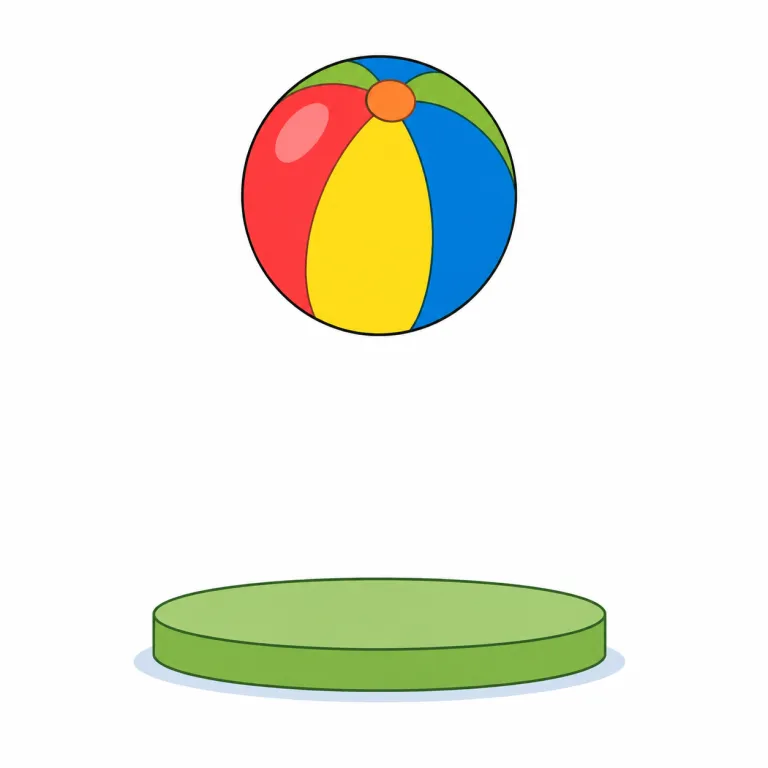
The ball goes up.
ボールが上がります。
起きて
(意味 2)
解説 Definition
眠った状態から目を覚ましていることや、寝床から起きた状態を表す。be up の形で「もう起きている」、stay up で「寝ずに起きている」という文脈で非常によく使われる。
An adverb indicating that someone is awake or has got out of bed. It commonly follows be when describing this state, or stay when someone continues without going to sleep.
例文
Are you up already?
もう起きているの?
I was up before six this morning.
今朝は6時前には起きていた。
She stayed up late to finish her homework.
彼女は宿題を終えるために遅くまで起きていた。
増えて
(意味 3)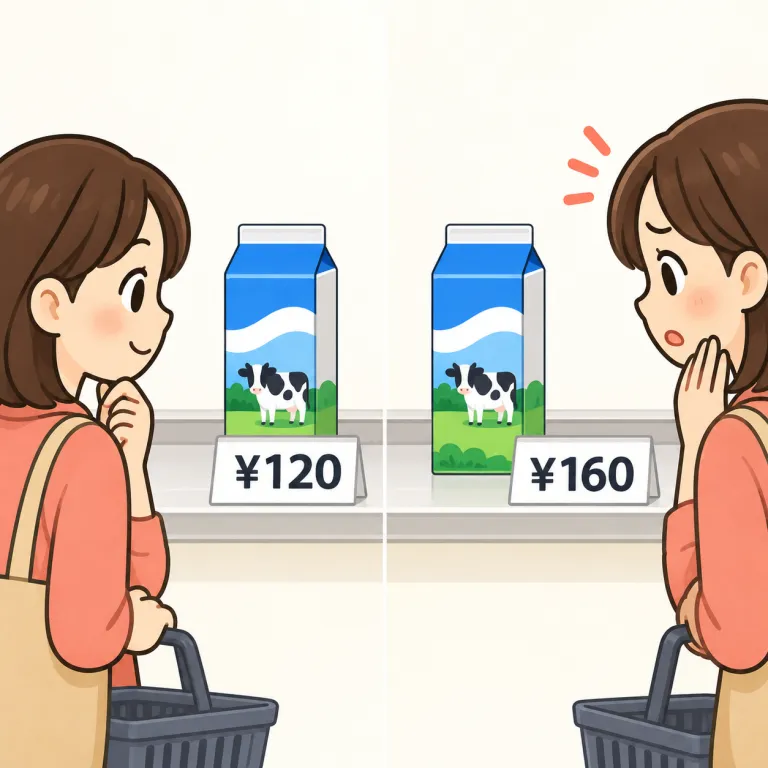
解説 Definition
数量・価格・水準などが上がる方向に変化することを表す。go up, be up の形で、売上や気温、数値が以前より高くなったことを言うときに使う。
An adverb showing that a quantity, price, or level is increasing or is higher than before. It commonly follows go or be when describing changes in figures such as sales, temperatures, or scores.
例文
Prices are going up again.
物価がまた上がっている。
The price of milk went up.
牛乳の値段が上がった。
My score went up today.
今日、私の点数が上がった。
終わって
(意味 4)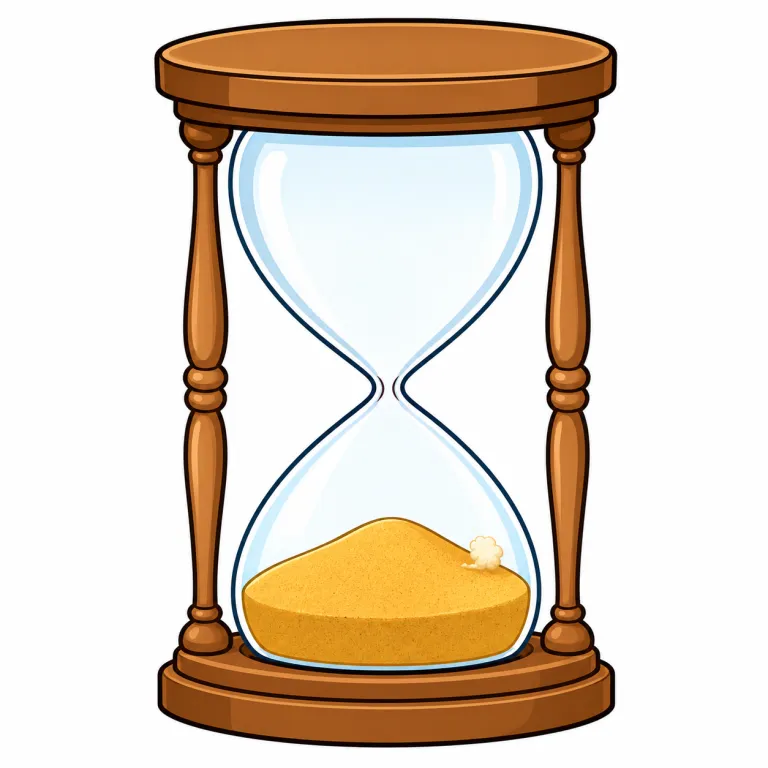
解説 Definition
動作や期間が最後まで完了したこと、あるいは残りがなくなったことを表す。eat up や use up のように「すっかり〜してしまう」、time is up のように「もう終わりだ」という言い方で使われる。
An adverb indicating complete action, with nothing remaining, or the end of an allowed period. It can follow verbs for eating or using something to emphasize completion, and can describe time having run out.
例文
Your time is up.
時間切れです。
Eat up your vegetables.
野菜を残さず食べてしまいなさい。
We used up all the milk.
私たちは牛乳を全部使い切った。
up の類義語・関連語
類義語
対義語
up の語源・成り立ち Etymology
古英語 up に由来し、ゲルマン系の古い語にさかのぼる。原義は「上方へ、上に」で、そこから「増加」「完成」「接近」などの派生的意味が広がった。upper, upon などとも歴史的につながりがある。
From Old English up, a very old Germanic word meaning "upward" or "above." Its basic idea of movement to a higher place later widened to ideas like increase, completion, and approach. It is historically related to English words like upper and upon.
同じレベルの語彙をもっと
英検7級の一覧へ →外部辞書で調べる
この英単語をクイズで覚えよう