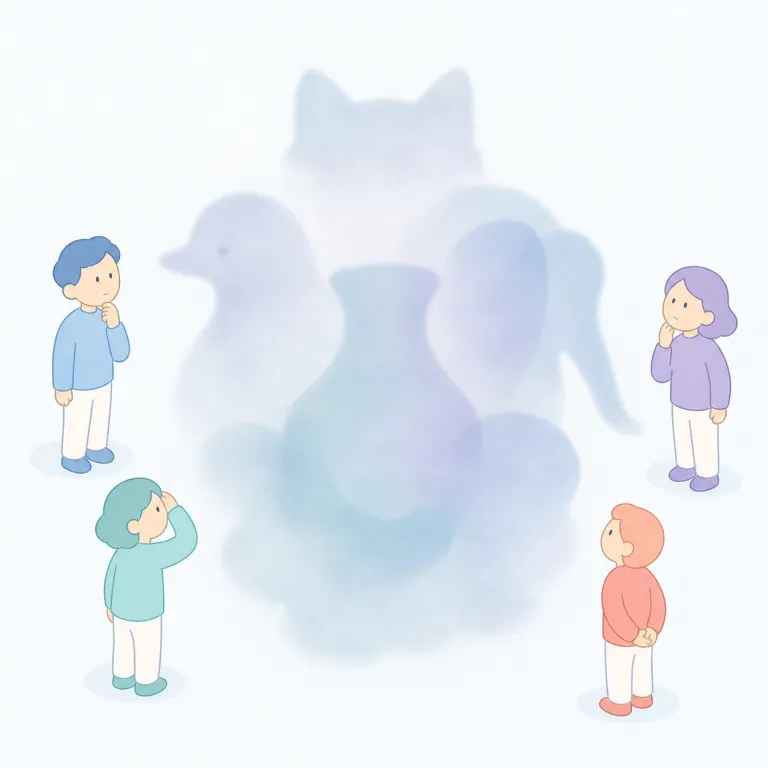
曖昧さ
解説 Definition
表現や説明が曖昧で、はっきりしていない、または不明確である性質を指します。意味が複数に解釈できる状態や、ぼんやりしている様子です。
Vagueness is the quality of being unclear, not exact, or lacking enough detail. It is often used about language, ideas, plans, or answers that are hard to understand clearly.
覚え方のコツ Memory Tip
まず形で覚えると残りやすいです。vagueness は vague「曖昧な」に -ness が付いた名詞で、「曖昧であること」そのもの。まず vague を押さえ、その状態名が vagueness だと見ると整理しやすいです。clear の反対側に置き、a vague answer, vagueness in the explanation のように「説明・返答・表現がぼんやりしている場面」で結びつけると定着します。ambiguity は「複数の解釈が立つ曖昧さ」、vagueness は「輪郭がぼやけてはっきりしない曖昧さ」と分けると混同しにくいです。
Notice the shape: `vague` + `-ness`. The `-ness` ending turns an adjective into the state or quality, so `vagueness` is the quality of being vague. Link it with unclear explanations or answers, and contrast it with `clarity` to make the idea stick.
例文
The vagueness of the contract language led to disputes between the parties.
契約書の文言の曖昧さは、当事者間の紛争につながりました。
His vagueness when discussing the project timeline frustrated the team.
プロジェクトのスケジュールについて話すときの彼の曖昧な話し方に、チームはいら立ちました。
The vagueness of the instructions made it difficult for employees to complete the task.
指示が曖昧だったため、従業員がタスクを完了するのは困難でした。
vagueness の類義語・関連語
vagueness の語源・成り立ち Etymology
vagueはラテン語vagus「さまよう・定まらない」由来で、-nessが性質を名詞化します。意味が「漂って定着しない」感じだと捉えると、vagueやvagabondと同根の発想から、曖昧さは輪郭が歩き回っている状態だと腑に落ちます。
Vagueness comes from vague + -ness. Vague comes from Latin vagus, meaning "wandering" or "unfixed." The sense changed from physical wandering to something mentally unsettled or not clearly fixed, and it is related to vagabond.
同じレベルの語彙をもっと
外部辞書で調べる
この英単語をクイズで覚えよう