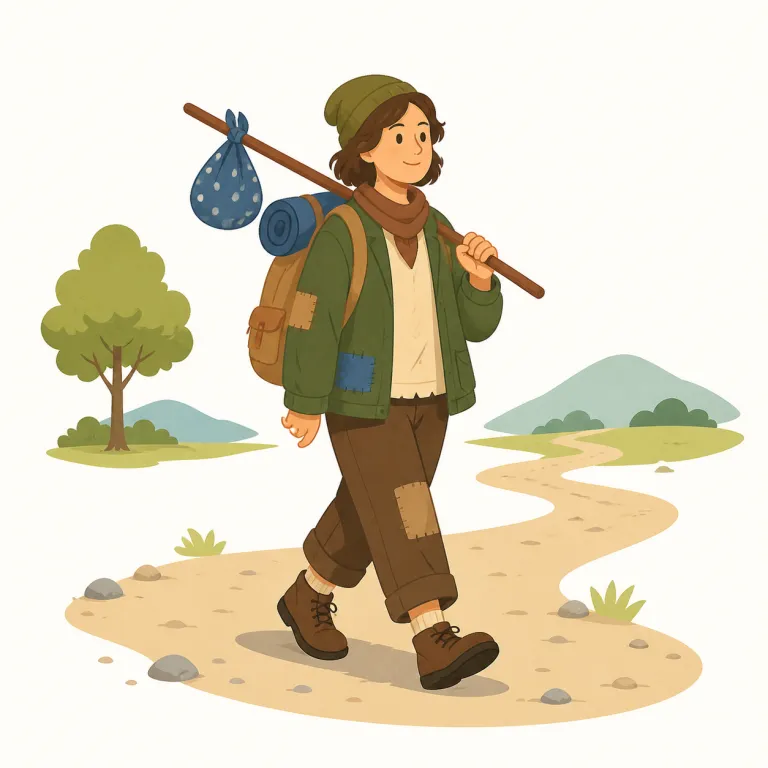
えいたんごクイズ

vagabond

/ˈvæɡəˌbɑnd/

vagabond は英検1級レベルの英単語で、「放浪者、浮浪者、放浪の、さすらい人」という意味があります。発音記号は /ˈvæɡəˌbɑnd/ です。

意味一覧 (4件)

noun

放浪者ほうろうしゃ

解説 Definition

名詞の vagabond は、決まった住まいや職を持たず、町から町へ移って暮らす人を指します。単なる旅行者ではなく、社会の外縁を歩く人物として、古風・文学的な文脈でよく現れます。

A vagabond is a person who moves from place to place without a regular home or steady job. The word can describe someone living a wandering life, sometimes by choice and sometimes because of poverty. It has an old-fashioned tone and may sound literary or negative depending on context.

覚え方のコツ Memory Tip

名詞では「誰がそうなのか」に焦点を置きます。traveler は目的を持って移動する旅行者ですが、vagabond は生活そのものが移動で、家や仕事の不安定さを帯びやすい語です。物語では、路上で暮らす老人、仕事を探して渡り歩く若者、社会制度からこぼれた人物などに合います。形容詞用法はこの人物像から派生して、生活や気質の性質を述べます。

Think of words like vagrant or wanderer. A vagabond is someone who moves from place to place without a fixed home. The word often sounds a little old-fashioned or literary, which helps distinguish it from more common words like tramp. Phrases like a vagabond life make the image stronger.

例文

The vagabond traveled from town to town seeking work.

その放浪者は仕事を求めて町から町へ旅しました。

He became a vagabond after losing his job and home.

彼は仕事と家を失った後、放浪者になりました。

The old vagabond had many stories from his travels.

その年老いた放浪者は旅の体験談をたくさん持っていた。

noun

浮浪者ふろうしゃ

(意味 2)

解説 Definition

一定の住まいを持たず、さまざまな場所を放浪して暮らす人のこと。多くの場合、貧困や社会的困難から浮遊生活を送る者を指す。

例文

The old vagabond spent his days walking the streets with all his possessions in a bag.

その年老いた浮浪者は、すべての持ち物をバッグに詰め込んで、毎日街を歩いて暮らしていた。

In medieval times, vagabonds were often treated with suspicion by town authorities.

中世では、浮浪者はしばしば町の当局から疑いの目で見られることが多かった。

The vagabond asked for spare change at every street corner in the city.

その浮浪者は、その都市のいたるところの街角で小銭をねだっていた。

adjective

放浪ほうろう

(意味 3)

解説 Definition

形容詞の vagabond は、人・生活・気質などが一か所に根を下ろさず、漂うように移り歩く性質を表します。a vagabond life のように、自由な漂泊感にも、安定した居場所を欠く危うさにも使えます。

As an adjective, vagabond describes a person, life, or spirit that moves from place to place without settling anywhere for long. It can suggest the freedom of traveling lightly and living without strong ties, but it can also imply a lack of stability or a secure home. You often see it in phrases like a vagabond life or a vagabond spirit, where it describes a wandering way of living or feeling.

覚え方のコツ Memory Tip

形容詞では「放浪する人」そのものより、暮らし方や精神のあり方にかかる語として押さえると区別しやすいです。a vagabond artist なら各地を渡る芸術家、a vagabond spirit なら束縛されない気質。名詞の「放浪者」から、その人にまつわる性質を表す用法へ広がったと考えると自然です。wandering より文学的な響きがあります。

For the adjective vagabond, focus not on "a person who wanders" but on the quality of a life, character, or spirit. A vagabond artist is an artist who moves from place to place, and a vagabond spirit is a mind that resists being tied down. It grows naturally from the noun meaning "wanderer," but as an adjective it feels more literary than wandering.

例文

He spent his twenties living a vagabond life, moving from one country to another.

彼は20代を、国から国へ移り歩く放浪の暮らしの中で過ごした。

There was something vagabond about her career, with short projects in different cities and no fixed base.

彼女の経歴には、各地で短い仕事を渡り歩き拠点を定めない、放浪のようなところがあった。

The novel follows a vagabond artist whose restless mind never lets him stay in one place for long.

その小説は、一か所に長くとどまれない落ち着かない心をもつ放浪の芸術家を追っている。

noun

さすらいひと

(意味 4)

解説 Definition

定住地や安定した職を持たず、場所から場所へ移動して生活する人。冒険心や自由を求める人生を送ることが多い。

例文

The vagabond wandered from town to town, never settling in one place.

さすらい人は町から町へとさまよい、一つの場所で落ち着くことはなかった。

He lived the life of a vagabond, freely exploring different countries and cultures.

彼はさすらい人として暮らし、異なる国や文化を自由に探索した。

The vagabond's stories of adventure captivated audiences in every tavern.

さすらい人の冒険譚は、どの居酒屋でも人々を魅了した。

vagabond の語源・成り立ち Etymology

vagabond は古フランス語を経て、後期ラテン語 vagabundus「さまよう」に由来します。語根 vag- は「ぶらつく・定まらない」で、vagrantvague も同根。人が「放浪者」を指し、考えが「曖昧」になるのも、とどまらなさが核だからです。

Vagabond came through Old French from Late Latin vagabundus, meaning "wandering about." It is based on the root vag-, "to roam" or "move without a fixed place," which is also seen in vagrant and vague. The central idea is not staying in one place, first for people and, by extension, for things that seem unfixed or unclear.

外部辞書で調べる

この単語をシェア

この単語を英単語クイズで覚えよう