規制の適用除外、特例許可
noun 名詞米国などの都市計画・建築規制で、通常の zoning rules からの例外を個別に認める行政上の許可です。土地の特殊事情により規制どおりの利用が困難な場合に、apply forやgrant a varianceの形で使われます。
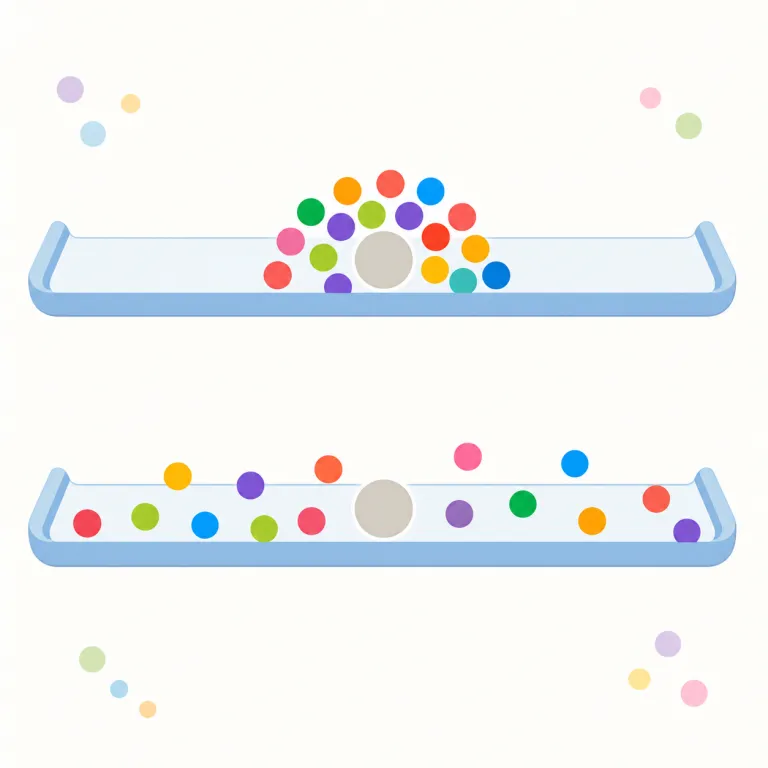
variance はTOEFL 60・IELTS 5.5レベルの英単語で、「相違,不一致;分散,ばらつき」という意味があります。発音記号は /ˈvɛriəns/ です。
「variance」は、二つ以上のものの間に見られる食い違い、不一致、差異を表すやや形式的な語です。特に統計では、値が平均からどの程度散らばっているかを示す「分散」を意味し、データのばらつきを測る指標として使われます。
Variance means a difference or amount of change between things. In statistics, it is a technical term for how much a group of numbers is spread out.
variance は vary(変わる)の名詞形だと押さえると覚えやすいです。value が変われば variance が出る、という感覚でつなげると「差・ばらつき」が一本化できます。日常語の difference よりやや硬く、統計では「平均からどれだけ散っているか」を示す語として頻出。variable, variety と同じく「一定でない」仲間としてまとめると定着しやすいです。特に statistical variance, variance in prices などの形で見ると意味が安定します。
Link `variance` to `vary`, `variable`, and `variety`. They all carry the idea that things are not the same. In formal English and statistics, `variance` is the noun that captures difference or spread.
There is considerable variance in opinion on the new policy.
その新しい政策については意見にかなりの相違がある。
The variance in test scores was larger than expected.
テストの点数の分散は予想より大きかった。
A small variance between the two estimates is acceptable.
二つの推定値のわずかな差は許容範囲だ。
文脈によって、次の意味でも使われます。
米国などの都市計画・建築規制で、通常の zoning rules からの例外を個別に認める行政上の許可です。土地の特殊事情により規制どおりの利用が困難な場合に、apply forやgrant a varianceの形で使われます。
varianceはラテン語variare「変える・異ならせる」に由来し、語根vari-は「異なる」の感覚を持ちます。-anceは状態を表す名詞語尾で、「値がばらつくこと」へつながり、variableやvarietyも同じ根です。
Variance comes from Latin `variare`, meaning "to change" or "to make different." The root `vari-` carries the idea of difference, and the noun ending `-ance` gives the sense of a state or condition. So the word developed the meaning of difference, change, or spread between values; `variable` and `variety` come from the same root.
この英単語をクイズで覚えよう