deviation
deviation はTOEFL 60・IELTS 5.5レベルの英単語で、「偏差、逸脱」という意味があります。発音記号は /diːviˈeɪʃən/ です。
偏差、逸脱
解説 Definition
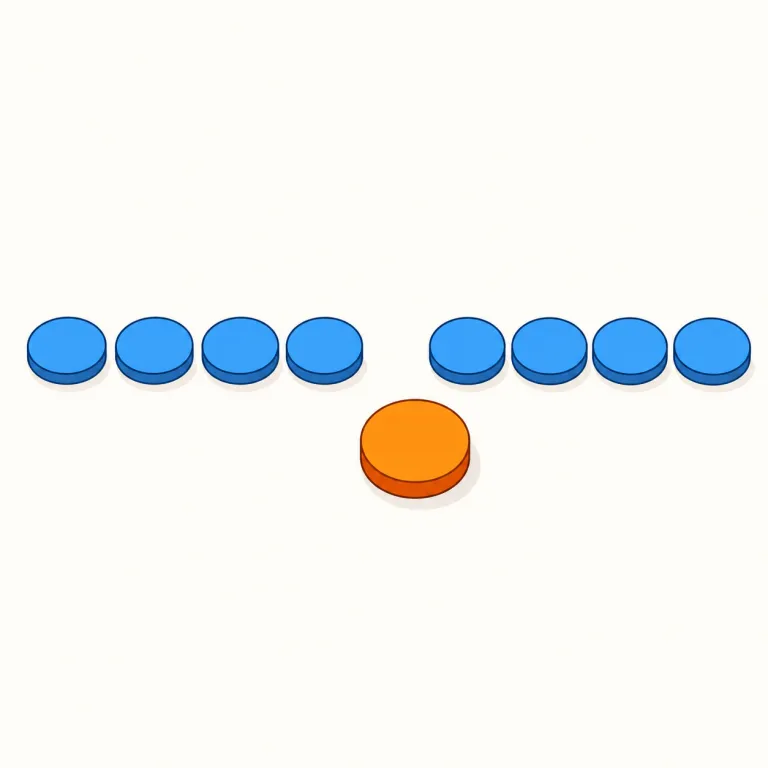
deviation は、基準・予定・規則などから外れること、または平均や基準値からのずれを表す名詞。文脈によって「逸脱」「偏差」「ずれ」などと訳し分けられ、統計、科学、行動規範など幅広い分野で使われる。
A deviation is a difference or movement away from what is normal, expected, or planned. It can be used in everyday language, science, and statistics. Depending on the context, it may be neutral or may suggest that something is wrong or unusual.
覚え方のコツ Memory Tip
deviation は「ただ違う」difference よりも、「基準・予定・平均からずれる」感じを強く持つ語。deviate の名詞形で、-tion が付くと「行為・状態の名詞」になりやすいとまとめて覚えると整理しやすい。variation は単なる変化・ばらつきでも使えるが、deviation は norm や standard を前提にした“ずれ”。a deviation from the plan, standard deviation までセットで覚えると定着しやすい。
Think of `deviate` first, then add `-ion` to make the noun: `deviation`. It usually means moving away from a plan, rule, average, or standard, not just being different. `A deviation from the plan` and `standard deviation` are strong memory anchors.
例文
The standard deviation of the test scores indicated a wide range of student performance.
テストの得点の標準偏差は、生徒の成績に大きなばらつきがあることを示していた。
Any deviation from the established protocol must be reported immediately.
確立された手順からの逸脱は、どのようなものでも直ちに報告しなければならない。
The scientist noted a significant deviation of the experimental results from the predicted values.
科学者は、実験結果に予測値からの大きなずれがあると指摘した。
deviation の類義語・関連語
紛らわしい語
deviation の語源・成り立ち Etymology
deviation はラテン語 deviare に由来し、de-「外れて」+ via「道」+ -tion「こと」から成ります。via や devious も同根で、「本道からそれる」という絵がそのまま、偏差・逸脱という意味になっています。
Deviation comes from Latin deviare, built from de- "away" and via "road," with the noun ending -tion. Its original image is of leaving the main road or path. From that, it developed the sense of turning away from what is normal, expected, or direct. Via and devious share the same root idea.
同じレベルの語彙をもっと
TOEFL 60の一覧へ →外部辞書で調べる
この英単語をクイズで覚えよう