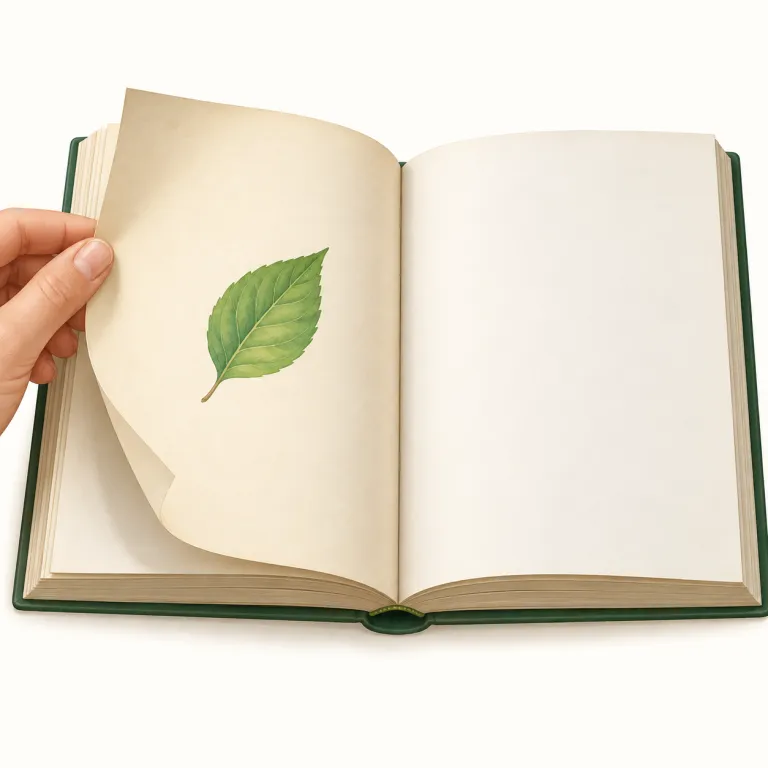
裏側
解説 Definition
本を開いたときの左側のページ、または書類の裏面。対義語はrecto(表面)です。
Verso is the back side of a printed page or sheet, especially in books, manuscripts, or artworks. It is the side opposite the front, called the recto. This word is mostly used in publishing, printing, and art.
覚え方のコツ Memory Tip
verso は単独で覚えるより、必ず recto とセットで覚えると定着しやすい語です。本を開いた見開きで「左が verso、右が recto」と並べてイメージすると混同しにくくなります。書類の文脈では recto が表、verso が裏。reverse や vice versa を知っていれば、「向きが反対側に回った面」という感覚に結びつけると記憶に残ります。
Do not learn `verso` alone; learn it with `recto`. Picture an open book: `verso` is the left-hand page, while `recto` is the right-hand page. It can also remind you of `reverse` or `vice versa`, which help you feel the idea of the opposite side. The pair is the real memory key.
例文
The important information was on the verso of the page.
重要な情報はそのページの裏面にありました。
She wrote notes on the verso of the document.
彼女は書類の裏面にメモを書きました。
The verso typically contains additional details.
裏面には通常、追加の詳細が含まれています。
verso の類義語・関連語
verso の語源・成り立ち Etymology
verso はイタリア語 verso を経て、ラテン語 vertere「向きを変える、回す」にさかのぼります。紙を「ひっくり返した側」という発想から本の「裏側」を指し、関連語に reverse、convert があります。
Verso came into English through Italian verso and goes back to Latin vertere, meaning "to turn." The word originally suggested the side reached when a page is turned over. From that idea, it became the name for the back side of a leaf in a book or manuscript. Related English words include reverse and convert.
同じレベルの語彙をもっと
外部辞書で調べる
この英単語をクイズで覚えよう