えいたんごクイズ

transitive

/ˈtrænzətɪv/

transitive はTOEFL 80・IELTS 6.5レベルの英単語で、「他動詞の、推移的な、他動詞」という意味があります。発音記号は /ˈtrænzətɪv/ です。

意味一覧 (3件)

adjective

他動詞たどうし

解説 Definition

文法説明で verb, use, construction などを修飾し、「目的語へ動作が及ぶ用法・性質」を示す形容詞。語そのものを名づけるより、自動詞にもなり得る語の他動的な使い方を指摘する場面で役立つ。

In grammar, transitive describes a verb that needs an object to complete its meaning. In other words, the action of the verb is done to someone or something. This is mainly a technical term used in language study.

覚え方のコツ Memory Tip

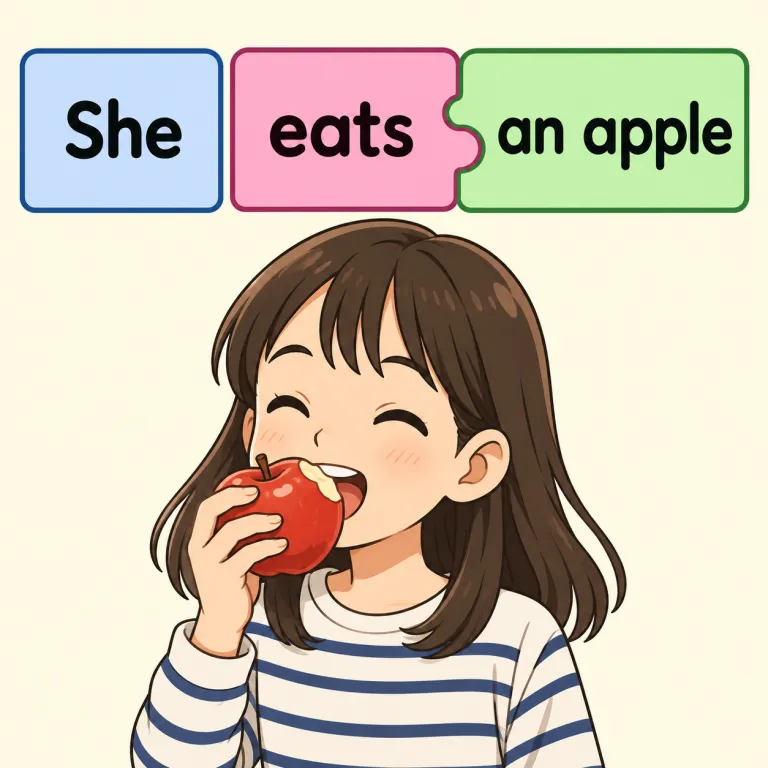
文法での transitive は、動詞の動作が主語だけで終わらず、目的語へ渡っていくと考えると覚えやすいです。eat an apple や open the door のように、動詞の後ろに「何を」を置いて意味が完成する用法を思い浮かべてください。これは論理・数学の「推移的な」という基本義とは別に、文法用語として出る専門的な意味です。

The prefix `trans-` often gives the idea of moving across or passing over. A `transitive` verb passes its action on to a direct object, as in `eat an apple` or `build a house`. Remember it together with its opposite, `intransitive`, to keep the grammar contrast clear.

例文

The verb "eat" is transitive because you can eat something.

「eat」は何かを食べるというように目的語を取れるので、他動詞です。

Understanding transitive and intransitive verbs is important for grammar.

他動詞と自動詞の違いを理解することは、文法学習で重要だ。

This transitive verb requires a direct object to complete its meaning.

この他動詞は、意味を完結させるために直接目的語を必要とする。

adjective

推移的すいいてき

(意味 2)

解説 Definition

論理・数学で、ある関係が A から B、B から C へ成り立つなら、A から C へも成り立つ性質を表す語。equal to や greater than のような関係、集合・順序・推論の説明でよく使われます。

In logic and mathematics, a transitive relation is one that continues through a chain. If the relation is true from A to B and from B to C, it must also be true from A to C. Words like "equal to" and "greater than" describe transitive relations, so the term often appears in explanations of sets, order, and reasoning.

覚え方のコツ Memory Tip

trans- は transfer や transmit に見られるように「向こうへ渡る」の感覚があります。transitive relation では、A から B、B から C へと関係が渡り、A から C へもつながると考えると覚えやすいです。文法の「他動詞の」も動作が目的語へ渡る発想ですが、このエントリでは論理・数学で関係が連鎖する性質を指す点を区別してください。

Think of trans- as the same part you see in words like transfer and transmit, with the feeling of something passing across. In a transitive relation, the connection passes from A to B and from B to C, so it also reaches from A to C. The grammar meaning "taking an object" also has the idea of something moving across, but here the focus is on logic and mathematics.

例文

In mathematics, "greater than" is a transitive relation.

数学では、greater than は推移的な関係です。

The professor explained why the ordering was transitive and worked across the whole set.

教授は、その順序関係が推移的で、集合全体に成り立つ理由を説明した。

A transitive rule helps us move from two linked facts to a new conclusion.

推移的な規則があると、つながった二つの事実から新しい結論を導ける。

adjective

他動詞たどうし

(意味 3)

解説 Definition

英文法で、直接目的語を取って「何を・誰を」に働きかける動詞の分類名。send a letter や admire a teacher のように、動作の対象を明示して初めて意味が落ち着く動詞を指す。

In grammar, transitive describes a verb that needs a direct object to complete its meaning. For example, such a verb is followed by something or someone that receives the action. This word is mainly used in language study and grammar explanations.

覚え方のコツ Memory Tip

transitive verb は「動作が対象へ移る動詞」と考えると覚えやすいです。主語だけで完結する sleep や arrive ではなく、send, admire, mention など、後ろに対象を置くことで文の焦点がはっきりするタイプです。transit や transfer と同じく「移る・渡る」という語感が背景にあり、文法では intransitive verb と対にして、目的語を直接取れるかどうかで見分けます。

Think of other `trans-` words like `transfer` or `transport`, where something moves across. A `transitive` verb sends the action outward to an object instead of keeping it inside the subject. So if you can naturally ask `what?` or `whom?` after the verb, that often points to `transitive`. Learn it together with `intransitive` for a strong contrast.

例文

In English grammar, a transitive verb requires a direct object.

英文法では、他動詞は直接目的語を必要とする。

The word 'eat' is a transitive verb because it can take an object.

'eat'は他動詞である。なぜなら目的語を取ることができるからである。

Transitive verbs show an action that directly affects someone or something.

他動詞は、誰かまたは何かに直接作用する行動を表す。

transitive の類義語・関連語

transitive の語源・成り立ち Etymology

transitive は後期ラテン語 transitivus に由来し、trans-「越えて」+ ire「行く」で「向こうへ渡る」が原義。動作が主語の内側で終わらず目的語へ及ぶので文法で「推移的」となる。関連語に transit, intransitive がある。

Transitive comes from Late Latin transitivus, from trans- meaning "across" and ire meaning "to go." The original idea was of something passing over or going across. In grammar, this became the term for a verb whose action passes over to an object; related words include transit and intransitive.

外部辞書で調べる

この単語をシェア

この単語を英単語クイズで覚えよう