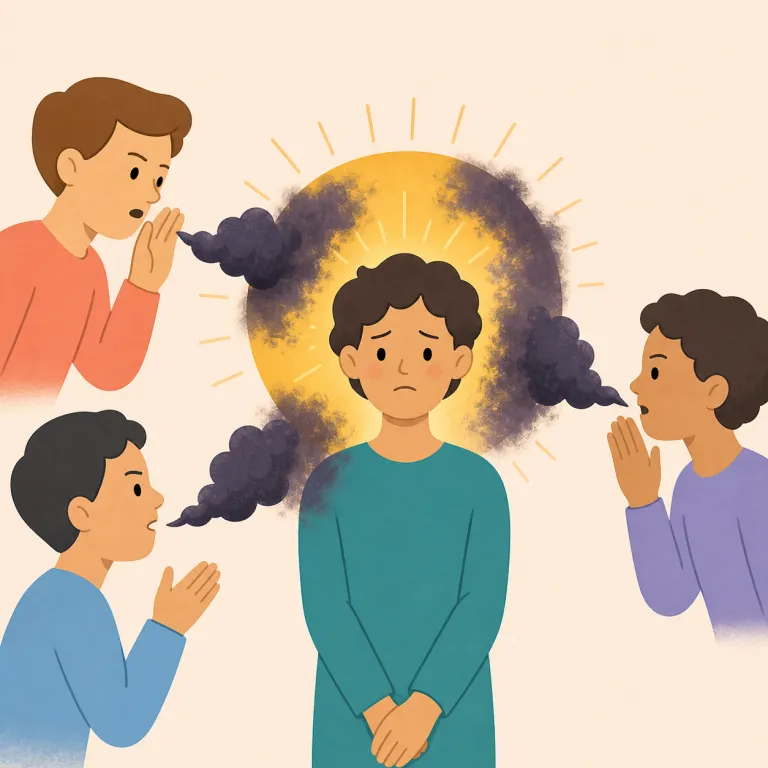
中傷する
解説 Definition
人や集団を悪意をもってひどく非難し、評判を傷つけるように中傷することを指します。単に悪口を言うより強く、根拠の薄い批判や誇張を交えて相手をおとしめるニュアンスがあり、報道や政治、ネット上の攻撃にも使われます。
To vilify someone means to speak or write about them in a very negative and unfair way. It is often used when a person or group is publicly attacked and described as bad or evil. The word suggests strong criticism that may damage someone's reputation.
覚え方のコツ Memory Tip
criticize が「批判する」なら、vilify はそのかなり上で、「相手を悪人扱いして評判まで落とす」感じ。語尾 -ify は simplify, clarify と同じ「〜化する」で、vilify は「相手を vile(ひどい・卑劣な)もののように見せる」と押さえると残りやすい。特に vilify a politician / minority group のように、メディアや世論の中で過度にたたく場面で出やすい。単なる反対意見ではなく、不当に中傷する強さがポイント。
Think of `vile` inside `vilify`. The ending `-ify` means "make" or "turn into," like in `clarify` or `simplify`, so `vilify` is like making someone look vile. It is much stronger than simple criticism, and often appears in phrases like `vilify a politician` or `vilify a group`.
例文
The politician was vilified in the press for his controversial remarks.
その政治家は物議を醸す発言のため、報道で激しく中傷された。
It is unfair to vilify an entire community based on the actions of a few individuals.
少数の個人の行動を理由に、共同体全体を中傷するのは不公平だ。
Whistleblowers are often vilified by the organizations they expose.
内部告発者は、自分たちが不正を暴いた組織からしばしば中傷される。
vilify の類義語・関連語
vilify の語源・成り立ち Etymology
後期ラテン語vilificareに由来し、vilis「安っぽい・卑しい」+-ficare「〜にする」から成る。関連語はvile、vilification。もとは「価値を下げる」で、そこから「人をけなして貶める」へ意味が伸びた。
Vilify comes from Late Latin vilificare, built from vilis "cheap, worthless, base" and a verb element meaning "to make." It first carried the idea of making something seem low in value. In English, that developed into speaking badly about a person in order to lower their reputation. Related words include vile and vilification.
同じレベルの語彙をもっと
外部辞書で調べる
この英単語をクイズで覚えよう